Running a Mexican restaurant means you're offering more than food — you're offering an escape: the sizzle of a fajita, the crunch of a freshly fried taco shell, the warmth of a shared plate of nachos. The problem is that all of that energy stays inside your four walls unless your guests are inspired to share it. Google Reviews are how your restaurant's personality travels across the city, onto phones, and into the decision of someone choosing where to eat tonight.
A well-maintained Google profile with a healthy flow of genuine reviews does three things for a Mexican restaurant: it secures your spot in the local search results when someone types "Mexican food near me," it builds credibility with diners who compare you against the dozen other options on Google Maps, and it creates a word-of-mouth multiplier that no paid ad can fully replicate. Yet the vast majority of Mexican restaurant owners still rely on happy accidents — hoping a satisfied guest pulls out their phone before the margarita wears off.
This guide shows you how to stop leaving reviews to chance.
Why Mexican Restaurants Have a Review Advantage
Mexican restaurants are inherently social dining destinations. Guests rarely come alone — they come with friends, families, and colleagues looking for a lively, flavour-packed meal. That social dynamic is a natural review catalyst. When four friends share guacamole and carnitas, any one of them might become the reviewer who captures the experience for the group.
The food itself is highly visual. Colourful tacos, vibrant salsas, a towering chimichanga — people photograph Mexican food at a higher rate than almost any other cuisine. Photogenic moments drive social sharing, and social sharing primes guests to leave a review before they even get home.
There is also a strong repeat-visit pattern in Mexican dining. Regulars who come back for taco Tuesday or weekly burrito lunches are a goldmine for review consistency. They already love you — they just need a gentle prompt.
When to Ask: The Peak Moment for a Mexican Restaurant
Timing matters more than most restaurant owners realise. The optimal window to request a Google Review is narrow: it opens when the guest is satisfied and content, and it closes once they step out the door and get distracted by the rest of their day.
For Mexican restaurants, that window is usually at the end of the meal — once the plates are cleared, the dessert or final round of drinks has arrived, and the mood is relaxed. A server who says "We're really glad you enjoyed it — a quick Google Review would genuinely help us out" while placing the bill is far more effective than any follow-up email two days later.
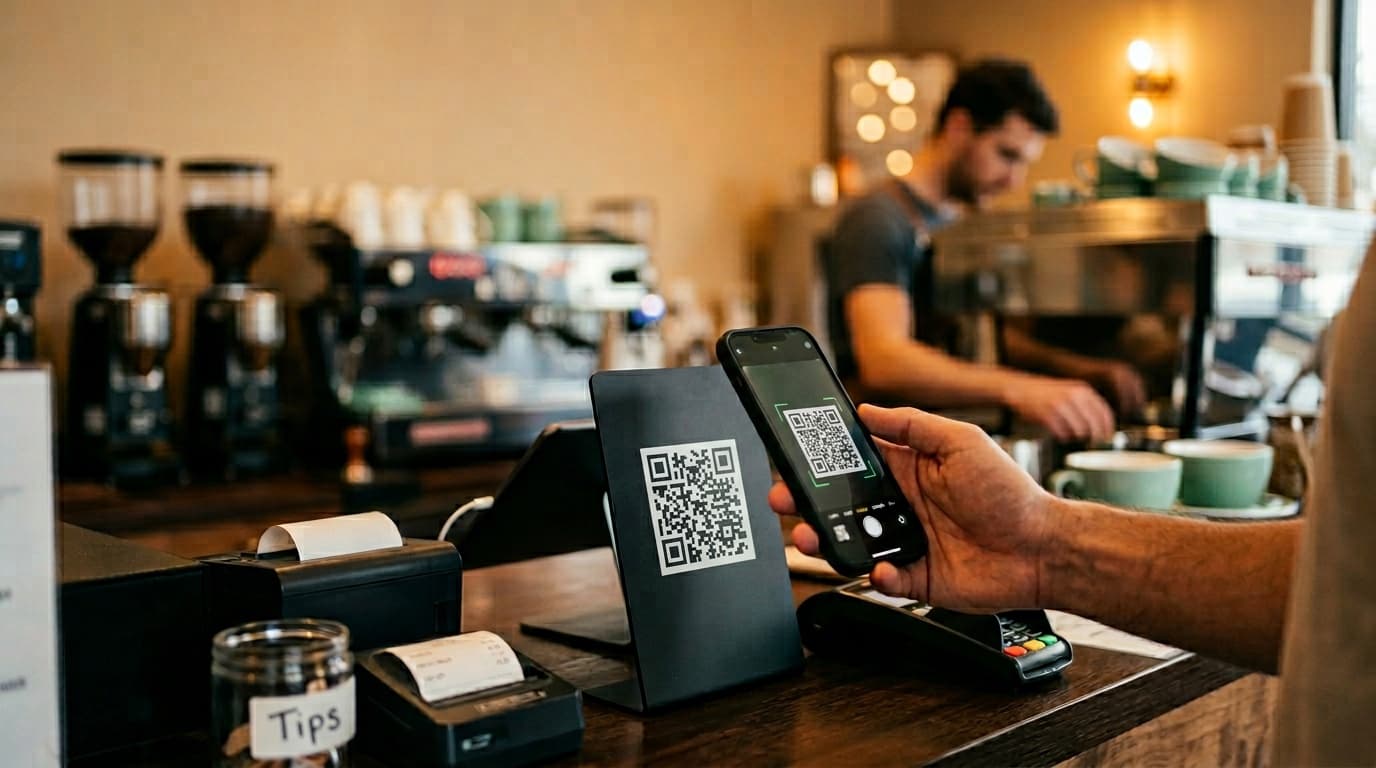
Pair that verbal ask with a physical QR code on the bill presenter, a small card left on the table, or a tent card near the exit. One scan brings the guest directly to your review form. No hunting for your business name, no navigating app menus — just one tap from a review.
For takeaway and delivery orders, the same logic applies. Include a QR code on the bag, the napkin, or the bottom of the receipt. The guest arriving home with a bag of tacos is in a satisfied state of mind — meet them there.
Training Your Team to Ask Without Feeling Awkward
The single biggest untapped review channel in any restaurant is the front-of-house team. Staff who ask naturally, sincerely, and confidently will collect more reviews than any automated tool. The challenge is making the ask feel comfortable rather than scripted.
Tie it to pride. When your team knows they're working at a genuinely good restaurant, asking for reviews becomes an invitation rather than a favour. Brief them on why reviews matter — not just for the business, but for their own working environment (more covers, more tips, more stability).
Make it a closing habit. Build the review request into the bill presentation ritual. It should feel as natural as asking whether the guest enjoyed their meal. Consistency across every shift means consistent review volume across every week.
Set weekly targets, not pressure. Track review counts in your weekly team meeting. Celebrate the servers who generate the most reviews without turning it into a source of stress. A little transparency around the numbers creates motivation without anxiety.
QR Code Placement Strategy for Mexican Restaurants
A QR code on its own is just a piece of paper. Its value comes entirely from where you place it and how you frame it. Mexican restaurants have several high-traffic touchpoints that work especially well.
On the bill presenter: The moment a guest reaches for their wallet, their phone is usually already nearby. A small card with a QR code and a line like "Loved the food? Tell the world" converts that natural phone-out moment into a review.
On the table: A small A-frame card or tent card that lives on each table throughout the service provides a passive invitation. Guests who notice it mid-meal are primed to act before they leave.
At the bar: If you serve margaritas or cocktails while guests wait for a table, the bar is dead time that can work for you. A QR code card on the bar top converts idle scrolling into a review session.
On takeaway packaging: Stamp or print a QR code on your takeaway bags, cup sleeves, or napkin wrappers. The guest at home opening their burrito bowl is in a relaxed, positive frame of mind — a perfect review moment.
Gamify the Review Request with a Fortune Wheel
The most innovative Mexican restaurants are going beyond the passive QR code and adding a gamified layer that turns the review request into an experience. Here is how it works: a QR code at the table or on the receipt invites guests to spin a digital fortune wheel for a chance to win something — a free churro on their next visit, a round of shots, 15% off their next order, or a branded tote bag. To spin the wheel, guests complete a simple action: leaving a Google Review.
This approach is effective for two reasons. First, it reframes the review request from "please do us a favour" into "here is something fun for you." The element of surprise — what will I win? — creates a small but genuine excitement. Second, the prize generates a return visit, which gives you another chance to impress the guest and collect yet another review.
Platforms like Ludofy let you set up a branded fortune wheel in minutes, generate the QR codes, and track how many reviews each table or campaign generates. The wheel can be configured to offer different prizes at different probabilities, ensuring your margins stay intact while guests feel rewarded.
Responding to Reviews: The Habit Most Mexican Restaurants Skip
Collecting reviews is only half the equation. Responding to them — both the glowing compliments and the rare complaints — is what separates a passive profile from an active, well-managed one. Google rewards engagement: restaurants that respond regularly tend to rank better and look more credible to prospective diners.
For positive reviews, keep your responses brief and personal. Mention a specific detail from the review, invite the guest back, and sign off with the name of the owner or manager. Avoid pasting the same generic thank-you to every review — it looks lazy and guests do notice.
For negative reviews, respond within 24 hours. Acknowledge the problem calmly, avoid defensiveness, and offer to make it right offline. A gracious response to a bad review can be more impressive to a prospective diner than the bad review was damaging. It shows you listen, you care, and you act.
Building Review Volume: Consistency Over Volume
The biggest mistake Mexican restaurant owners make is treating Google Reviews as a campaign — a sprint of effort that fades once life gets busy. Google's ranking algorithm treats review recency as a quality signal. Twenty reviews from this month carry more weight than two hundred reviews from three years ago.
To maintain consistent review volume, you need a system that operates every single service without depending on anyone remembering to ask. That is where a structured approach — QR codes, a trained team habit, and ideally a gamified tool that incentivises the review at the point of greatest satisfaction — pays dividends over time.
A Mexican restaurant with 80 reviews and a consistent trickle of new ones will almost always outrank a competitor with 200 old reviews and no activity in the past six months.
What Great Mexican Restaurant Reviews Look Like
Reviews that mention specific elements — the smoky chipotle sauce, the generous portions, the DJ on Friday nights, the owner greeting regulars by name — do more work than five-star reviews with no text. They act as micro-advertisements targeting people who search for exactly those details.
You can encourage richer reviews by prompting guests with specific questions in your review request: "What was your favourite dish tonight?" or "Did you enjoy the atmosphere?" These conversational nudges guide guests toward more detailed reviews without dictating what they write.
The best Mexican restaurants train their staff to highlight specific, reviewable moments throughout the service — the story behind a signature salsa, the fact that the tortillas are made fresh each morning, the origin of the mezcal selection. These talking points become the raw material of the reviews your guests leave.
Getting Started Today
The practical starting point is simple: choose one placement for a QR code this week, brief your team on the ask, and track your review count at the end of the month. You will almost certainly see a meaningful increase within the first two to three weeks.
Once that habit is bedded in, layer on the gamification element. A fortune wheel that offers guests a spin in exchange for a review changes the dynamic completely — instead of asking for a favour, you are offering a moment of fun at the end of a great meal.
Ludofy was built specifically for local businesses that want a reliable, repeatable review collection system — complete with branded QR codes, a customisable fortune wheel, and analytics to track what is working. For a Mexican restaurant serious about growing its online presence, it is the most direct path from a handful of reviews to the kind of profile that keeps tables full every night of the week.