A pet store sits in a uniquely emotional corner of retail. Your customers don't just buy products — they're caring for a family member. That bond creates genuine satisfaction and gratitude that, with the right prompt at the right moment, converts easily into a five-star Google review.
The challenge? Most pet store owners never create that prompt. The result is a business that delivers real value every day but has a Google profile that looks almost empty compared to the food stall down the street.
This guide changes that.
Why Google Reviews Hit Different for Pet Retailers
Pet store searches are intensely local and high-intent. When someone moves to a new neighbourhood and types "pet store near me" into Google, they're not browsing — they're making a decision. They're going to pick up cat food today.
A business with 60 recent, positive reviews beats one with 8 stale ones from 2022, every time. And for first-time pet owners — a customer base that's constantly renewing as people adopt puppies, kittens, rabbits, and fish — your Google rating is often the first trust signal they encounter before they ever walk through your door.
Beyond search rankings, Google reviews serve a secondary function in pet retail: they communicate expertise. A review that says "the staff helped me figure out why my betta fish kept getting sick" does more for your brand than any paid ad.
The 3 Highest-Converting Moments to Ask
Timing matters more than method. Here are the three situations where a review request converts at the highest rate:
1. After a successful advice exchange. When a staff member spends five minutes diagnosing a skin issue, recommending the right diet, or explaining how to introduce a second cat to the household, the customer leaves feeling genuinely helped. That's the moment to say: "If that helped, we'd really appreciate a quick Google review — it only takes 30 seconds."
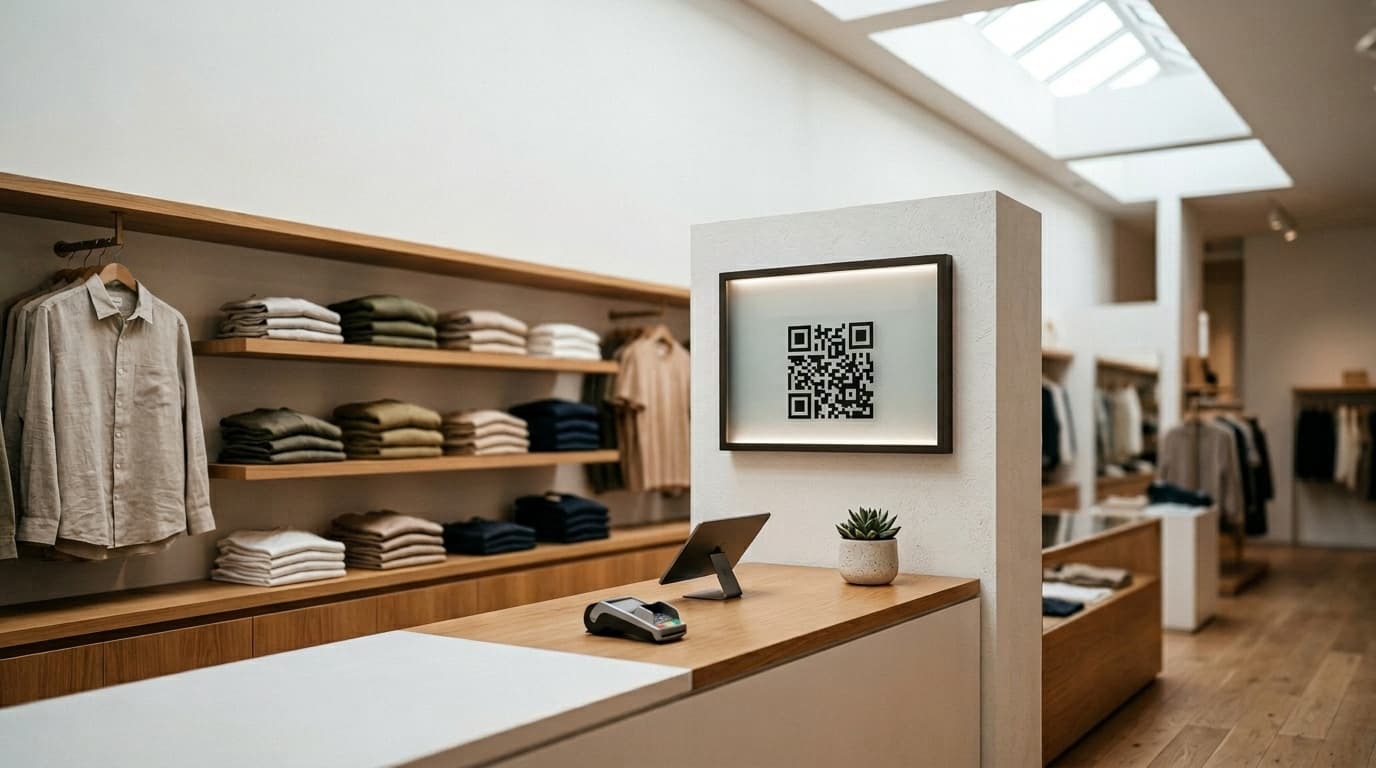
2. At checkout, after a first purchase. A new customer's first transaction is a moment of trust. They've chosen you over the pet chain or online retailer. A QR code on the counter — or on their receipt — capitalises on that goodwill before it fades.
3. After an adoption event or workshop. If you host kitten adoption days, puppy classes, or grooming workshops, the emotional peak at the end of the event is an ideal review moment. Participants leave excited; a QR code sign at the exit captures that energy while it's still present.
Where to Place Your QR Code in Store
A well-placed QR code removes the friction between intent and action. Here's where it works:
- At the checkout counter — The obvious one, but make sure it's visible during the payment interaction, not buried under a pile of leaflets.
- On aquarium and habitat displays — Customers who stop to look at fish or reptiles are engaged and unhurried. A small sign that reads "Love what you see? Tell Google" converts well here.
- On food aisle shelving units — Premium nutrition advice is a key differentiator for independent pet shops. A QR code near your speciality food section reinforces your expertise positioning.
- On the printed receipt or loyalty card — A passive but consistent touch point. Even if only 3% of customers scan it, that compounds quickly at volume.
- Near the exit — A small sign as customers leave: "Happy with your visit? Leave us a review before you go."
Avoid placing QR codes in areas where customers are distracted or in a hurry. Near the door when customers are coming in is too early; at the till when payment is in progress is too late.
What to Train Your Staff to Say
Verbal requests convert poorly on their own — but when paired with a QR code, a brief staff comment can double the scan rate. The goal isn't a scripted sales pitch; it's a natural mention at the right moment.
After an advice interaction:
"If that tip helps, we'd love a quick Google review — there's a QR code on the counter, it takes about 30 seconds."
At checkout for repeat customers:
"You've been coming in for a while — if you've been happy with us, an honest Google review would really help us out."
After explaining a product recommendation:
"If [product name] works out well for [pet's name], a quick review mentioning that would actually help other owners in the same situation."
The key is specificity. Vague requests ("leave us a review") convert at 2–5%. Requests that connect the review to the customer's specific experience convert at 15–25%.
Handling Sensitive Situations
Pet retail involves emotionally charged situations that most other businesses never face: a sick pet, an animal that died shortly after purchase, an allergy reaction to a new food. These moments require care.
Don't ask for a review when a customer is upset. This should be obvious, but it's worth stating. A negative interaction is not a review moment — it's a service recovery moment.
When a previous issue has been resolved (you refunded the product, helped diagnose the problem, replaced a fish that died), the follow-up is an appropriate time to mention reviews: "I'm glad we could sort that out. If you're happy with how we handled it, we'd really appreciate a review."
For sensitive species sales (puppies, kittens, exotic animals), wait until the customer has settled in and is clearly satisfied — a week or two after the purchase is better than immediately at the till.
Turning One-Time Buyers Into Advocates
The pet store business model depends on repeat visits: monthly food purchases, seasonal accessories, annual vet checkups for certain supplies. Each return visit is another review opportunity — but only if you've made it easy.
A digital fortune wheel at checkout, powered by a QR code, transforms the review request from a favour into a moment of fun. Customers spin for a small reward — a discount on their next visit, a free treat sample, a complimentary nail trim — and leave a review as part of the spin mechanic. Conversion rates typically jump from 3–5% to 20–30%.
Ludofy's gamified QR review experience is built for exactly this setup. No app download required, no complex installation — just a QR code at the counter that makes review collection a moment customers enjoy rather than ignore.
Your happy customers are already leaving — they just need a reason to leave a few words behind, too.