Running a bed & breakfast or guesthouse is one of the most personal hospitality businesses there is. Guests sleep in rooms you've decorated by hand, eat breakfasts you've cooked yourself, and often leave glowing compliments at the table. Yet when you check Google Maps a week later, the review count hasn't moved.
This is the core paradox of boutique accommodation: the experience is often superior to a chain hotel, but the reviews don't reflect it. A Hilton down the road may have 800 reviews while your charming 8-room guesthouse sits at 34 — even if your guests rate the experience higher in post-stay surveys.
The gap isn't about quality. It's about systems.
Why Google Reviews Matter More for Small Accommodation Than for Hotels
For a large hotel, a single review is a drop in an ocean of 600+. For a B&B with 40 reviews, one new five-star review is a visible, meaningful jump. This asymmetry works in your favour — but only if you're actively collecting.
Here's what the numbers show:
- Search ranking: Google's local algorithm weights review velocity (how often new reviews appear) heavily. A guesthouse adding 5 reviews a week can outrank a nearby hotel with 500 stale reviews from 2022.
- Booking decisions: According to hospitality research, over 87% of travellers read reviews before booking independent accommodation. For chain hotels, that number is lower — travellers trust the brand. For a B&B, your reviews are your brand.
- Price justification: Boutique properties with 4.8+ ratings can charge 15–25% more than comparable accommodation with a 4.2 rating. Reviews don't just fill rooms — they protect your rates.
The bottom line: as a small operator, Google reviews are your most valuable marketing asset. And unlike paid advertising, they compound over time.
The 5 Best Moments to Ask for a Review at a B&B or Guesthouse
Timing is everything. The mistake most operators make is asking at checkout, when guests are mentally already on the road, loading luggage, and thinking about the next stop. Here are the five moments that actually convert:
1. The Breakfast Table
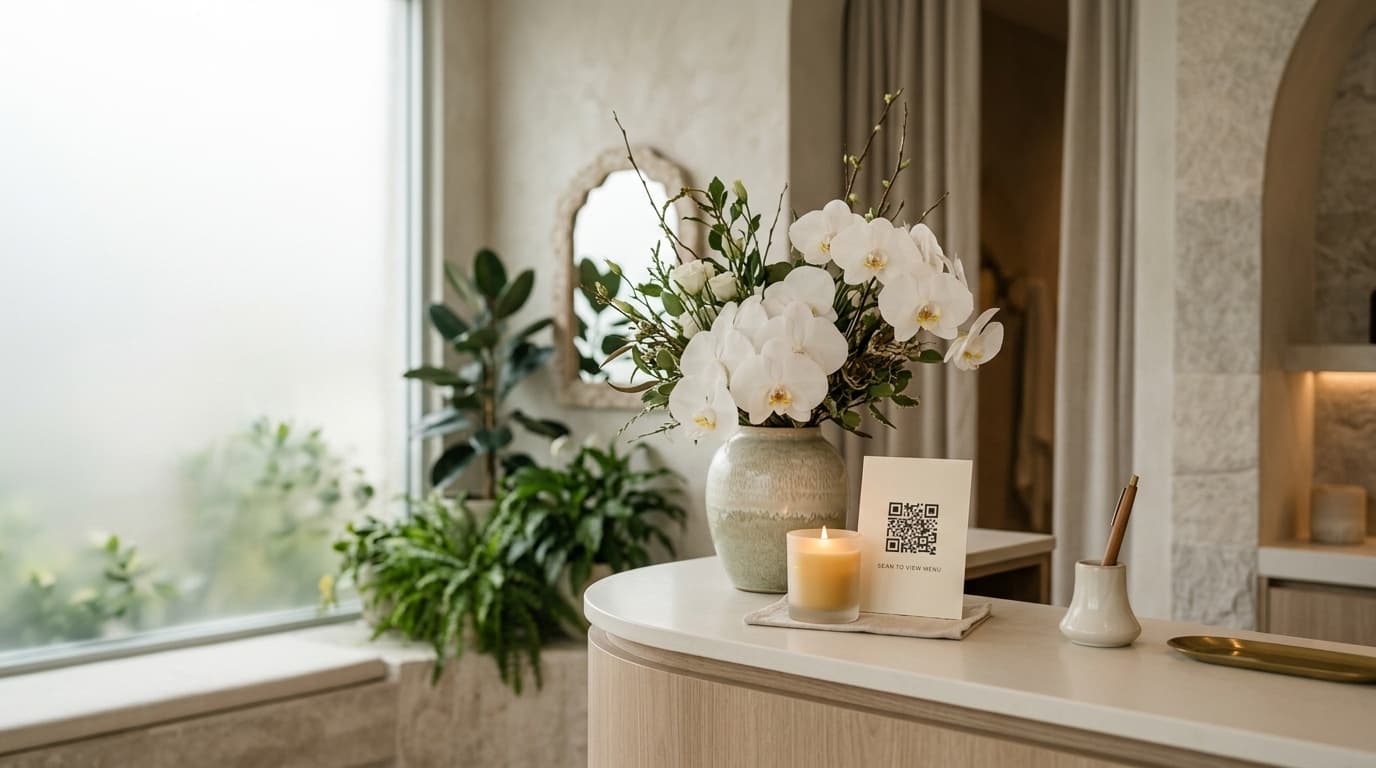
If you serve a communal or sit-down breakfast, the last 10 minutes of the meal are golden. Guests are relaxed, well-fed, and in a positive mood. A simple "Did you sleep well? If you enjoyed your stay, a Google review would mean the world to us — here's how to leave one" with a QR card left on the table is natural and low-pressure.
2. The Evening Wind-Down
Many guesthouses have a shared lounge or bar. When guests settle in for the evening, they're in a high-satisfaction, low-distraction moment. A conversation that ends with a soft review ask — or a QR code on the drinks menu — converts at a much higher rate than a checkout request.
3. The Morning of Departure (Not at the Checkout Desk)
Send a WhatsApp message or leave a handwritten note in the room the night before departure. "We've loved having you — if you've had a great time, here's how to share it with other travellers." Guests can tap the QR code in bed before they've even packed.
4. The Post-Stay Follow-Up Email
If you collect email addresses (you should), send a personal-sounding thank-you email within 24 hours of checkout. Keep it short: three sentences of gratitude and a single CTA button linking to your Google review page.
5. The Lucky Moment — Gamification at Checkout
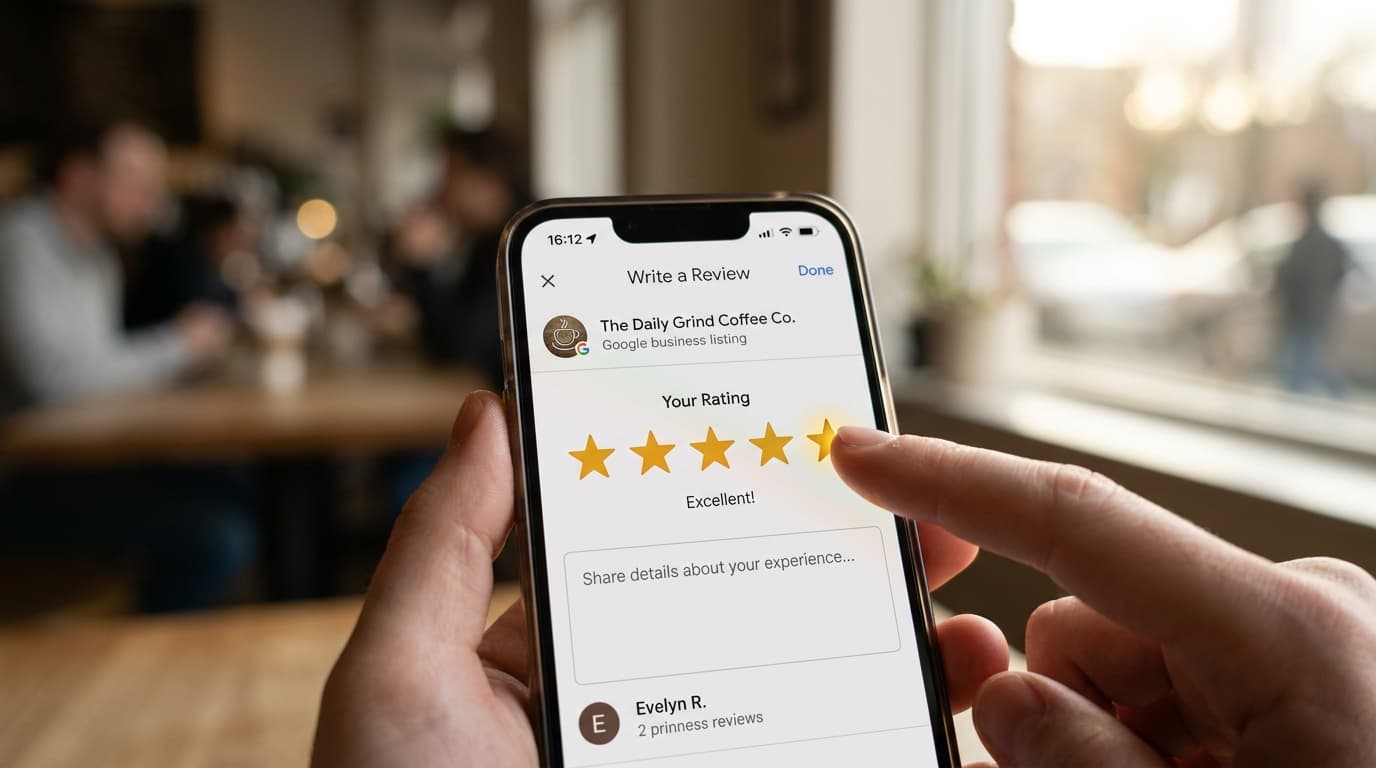
This is where operators who use tools like Ludofy see a step-change in review volume. Instead of a plain ask, guests scan a QR code and spin a digital fortune wheel to win a small prize (a discount on their next stay, a bottle of local wine, a jar of homemade jam). The spin is only awarded after leaving a Google review. The result: what used to feel like an awkward obligation becomes a fun, memorable moment of the stay.
Why QR Codes Are Perfectly Suited to Boutique Accommodation
Hotels have concierge desks, digital kiosks, and entire marketing teams. B&Bs and guesthouses have you — and a QR code can do the heavy lifting.
A QR code placed strategically in your property means guests can leave a review at the exact moment their experience peaks, without you having to say a word. Consider placing QR review cards:
- On the breakfast table (tent card format)
- In the bedroom, on the bedside table
- At the front door near the key box
- In the bathroom (many people read on their phones in the bath)
- On your WiFi password card — guests already have their phone out
The key is proximity to a positive moment. A QR code near the breakfast spread, next to a warm pastry, will outperform a review link on a checkout receipt every single time.
Handling the "Awkward Ask" — Why Personalisation Beats Scripts
Many B&B owners resist asking for reviews because it feels transactional or uncomfortable. The antidote is personalisation.
Instead of: "Could you leave us a Google review?"
Try: "I noticed you loved the walled garden — if you've got a minute, it would be wonderful if you mentioned it in a review. Other guests look for exactly that kind of outdoor space."
When you acknowledge something specific about the guest's experience, the request stops feeling like a sales pitch and becomes a continuation of the personal relationship that makes boutique accommodation special.
Building a Review System That Works Without Extra Effort
The operators with the most consistent review growth aren't working harder — they've built simple, repeatable systems. Here's what a minimal-effort review system for a B&B looks like:
- Physical touchpoints: QR review cards in 3–5 locations throughout the property (always-on, zero ongoing effort)
- Post-stay email: Templated thank-you email sent the morning after checkout with a review link
- WhatsApp automation: Pre-written message sent the evening before departure
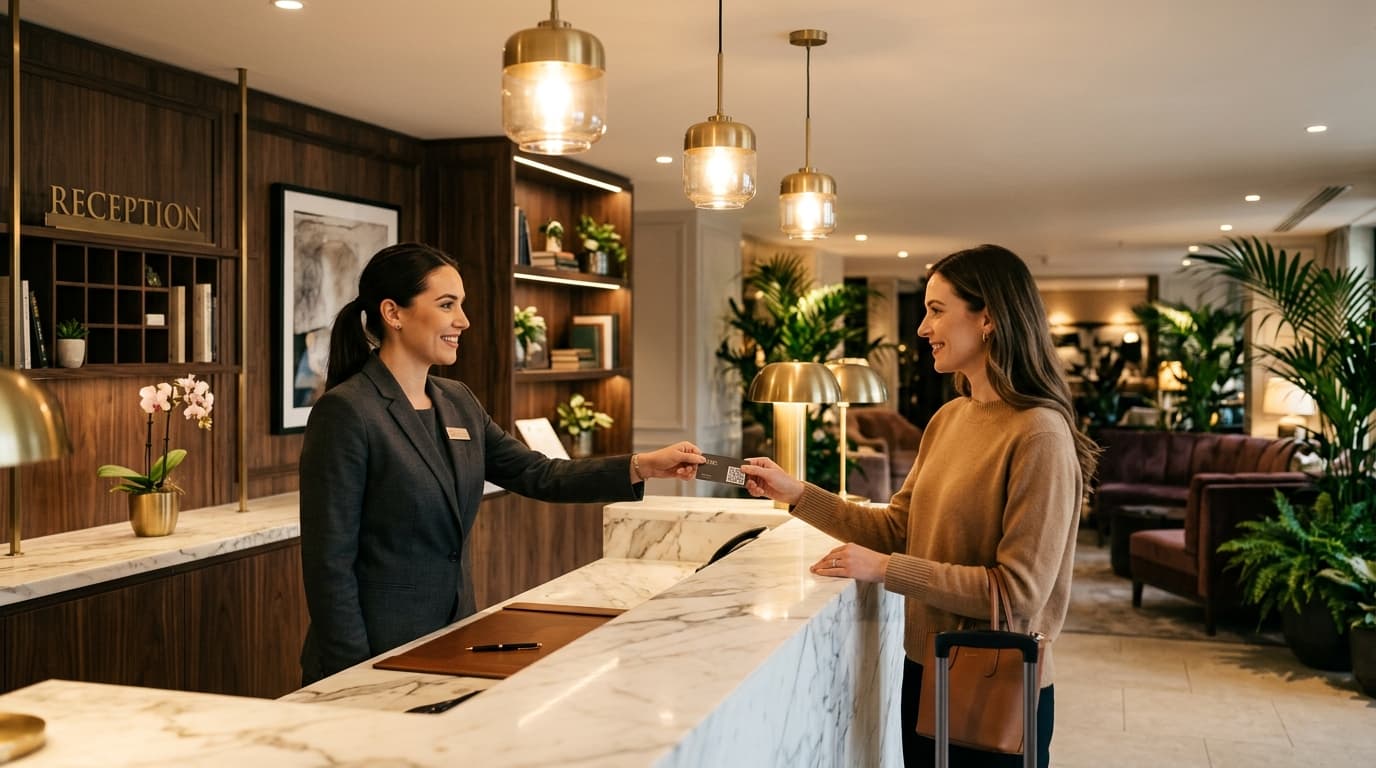
- Gamification at key touchpoint: A fortune wheel at the reception desk or on a tablet near the exit, run through a platform like Ludofy
The gamification layer is particularly powerful for guesthouses because it solves the social awkwardness problem. When a guest spins a wheel and wins something, they feel like they're getting a gift — not doing you a favour. The review happens naturally as part of the experience.
Responding to Reviews: Small Property, Big Impact
Unlike a large hotel with a dedicated reputation manager, you're probably reading every review personally. Use that to your advantage: respond to every review, positive or negative, with something genuine.
For positive reviews: thank guests by name, reference something specific they mentioned, and invite them back.
For negative reviews: acknowledge the issue calmly, explain what you've done to address it, and offer to discuss directly. Potential guests reading your responses often trust operators more after seeing a thoughtful reply to a complaint than after reading 50 identical five-star reviews.
Google rewards response activity too — properties that respond to reviews regularly tend to rank higher in local search results.
From 40 Reviews to 200: What Consistent Collection Looks Like
A guesthouse running a structured review programme — QR cards in every room, post-stay emails, and a fortune wheel at checkout — can realistically expect to collect 10–20 new reviews per month depending on occupancy. At that rate, a property sitting at 40 reviews can reach 160 within a year.
At 150+ reviews with a 4.8+ average, you start appearing in Google's "top picks" for local accommodation searches. That's when the flywheel kicks in: more visibility leads to more bookings, more bookings lead to more reviews, and more reviews lead to better visibility.
The hospitality businesses that dominate local search in 2026 are not the ones spending the most on Google Ads. They're the ones with the most authentic, recent, and numerous reviews from real guests.
Your Next Step
If you own a B&B, guesthouse, or boutique accommodation property and haven't yet built a structured review collection process, start with three things this week: place a QR review card on your breakfast table, set up a post-stay thank-you email, and explore how gamification tools like Ludofy can transform your checkout moment from an awkward handshake into a memorable, review-generating experience your guests will talk about long after they've left.
Your guests already love your property. It's time your Google rating reflected that.