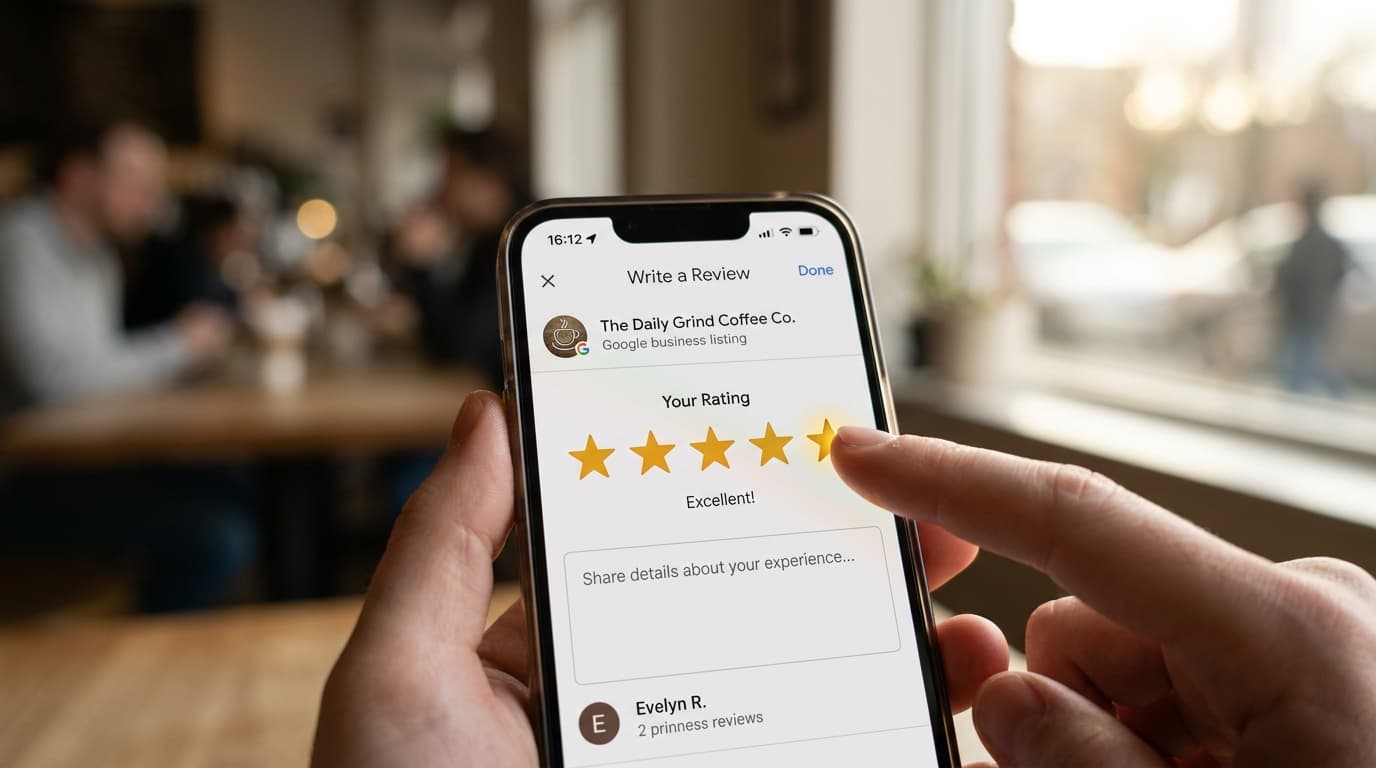
Your Saturday brunch crowd is already sold on you. They waited 25 minutes for a table, they posted their eggs benedict to Instagram, and they told three friends it's their new favorite spot. Then they went home and did absolutely nothing about your Google rating.
That's the brunch paradox: an audience that's genuinely enthusiastic about your brand, yet contributes almost nothing to the reviews that determine whether new customers can even find you. Fix that gap, and you have one of the highest-conversion review opportunities in the food and beverage industry.
Why Breakfast and Brunch Create an Unusual Review Opportunity
Brunch isn't just a meal — it's a social ritual. People gather in groups, they have unhurried time, they're in a good mood. The average brunch visit lasts longer than dinner at a bistro and generates more conversation. That extended dwell time creates natural moments to prompt a review in a way that feels organic rather than rushed.
There's also the social proof dynamic specific to brunch culture: your customers are already sharing. They've tagged your venue on Instagram. They've posted the latte art on Stories. The psychological barrier to leaving a Google review — which they perceive as more effortful — is the only thing standing between you and a flood of new ratings.
The good news: that barrier is much lower than it appears, and the right system collapses it entirely.
The Three Moments That Matter Most
1. While They Wait (If You Take Names)
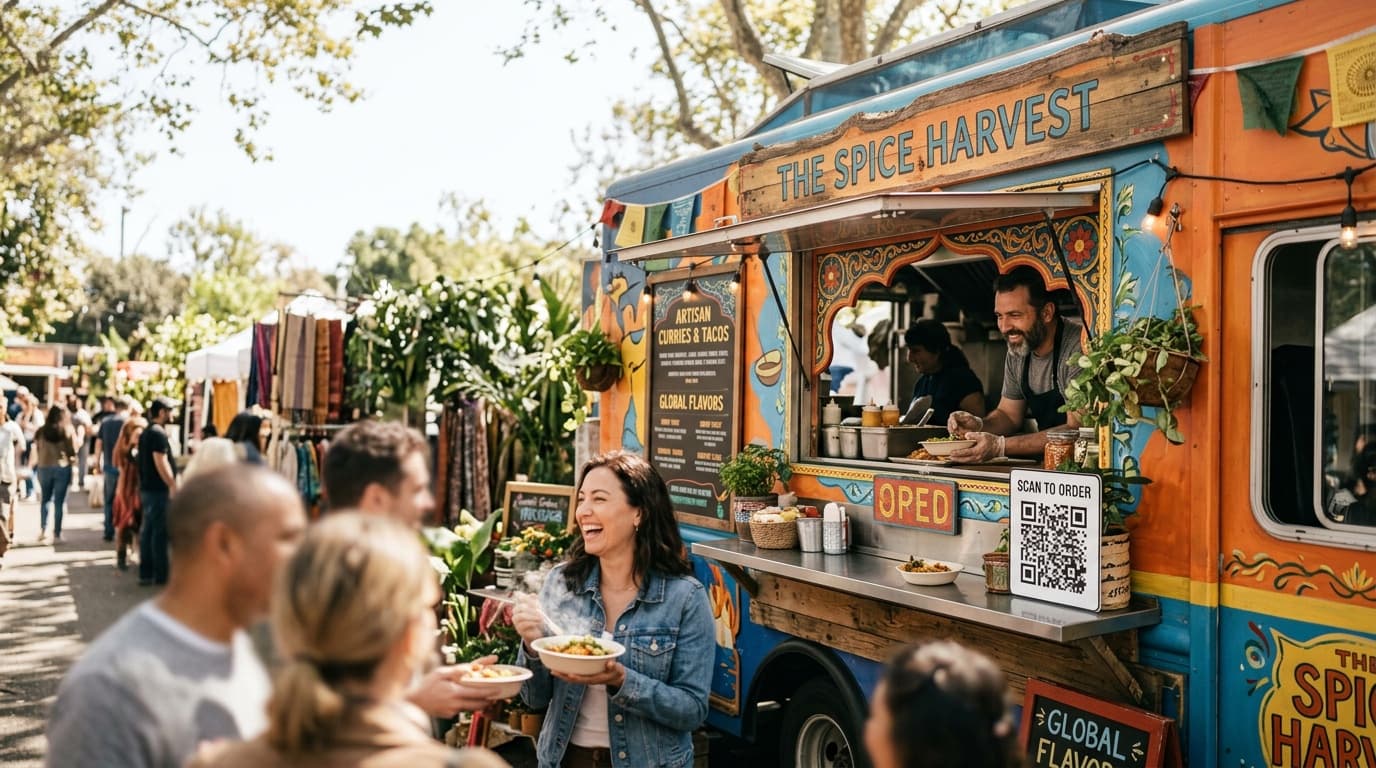
A waiting line is time your customers are already using their phones. If you operate a waitlist — whether on paper, on a tablet, or via an app — this is a low-cost place to put a QR code card on the host stand with a simple message: "While you wait, previous guests say it best — scan to read or add your own review." Customers in a queue convert well because they have idle time and no other task competing for their attention.
2. At the Table, Mid-Experience
The moment a customer says something genuinely positive to your staff — "this is the best French toast I've had" — is a live conversion opportunity. Train your team to respond: "So glad you love it. Would you mind tapping that QR code on the table card? It takes about 30 seconds and really helps us out." This isn't pushy; it's channeling a compliment into a lasting signal. Table cards with QR codes positioned near the condiments or the bill holder have conversion rates of 8–12% at well-run brunch venues.
3. After Paying — The Golden 90 Seconds
The window between bill payment and departure is the highest-intent review moment you have. The meal is complete, satisfaction has peaked, and the customer is still physically in your venue. A staff member passing the receipt holder with a printed QR code, or a small sign at the payment terminal reading "Leave us 30 seconds of feedback — it means everything," captures customers before that satisfaction fades back into daily life.
Gamification: Why a Fortune Wheel Is Perfect for Brunch Venues
Brunch audiences skew younger and more experience-oriented than traditional restaurant crowds. They respond exceptionally well to gamified interactions — and a spin-the-wheel offer after leaving a review hits them at exactly the right emotional register.
The mechanic is simple: after posting their Google review (any rating — the spin is triggered by the act of reviewing, not the content), customers scan a QR code or tap a link to spin a digital fortune wheel. The wheel can offer prizes scaled to your margin: a complimentary coffee on their next visit, a free pastry, a discount on their next brunch, or an occasional larger prize like a free brunch for two.
What happens in practice at brunch venues that implement this:
- Review volume typically increases 4–6x within the first month
- The "I won something just for reviewing" effect generates word-of-mouth independently — customers mention it at the table, friends ask how to participate
- Return visit frequency increases: the free-coffee voucher brings them back, and the next visit generates another opportunity for a review
The spin mechanic also reframes the review request from "could you do me a favor" to "here's something fun to do before you leave." For a segment that visits on weekends and expects a certain quality of experience, that framing alignment matters.
Responding to Brunch Reviews: What Works
Brunch reviews have a distinct character. They frequently mention:
- Wait times ("worth the queue")
- Specific dishes (eggs, pancakes, açaí bowls, avocado toast)
- The atmosphere and music
- The size and value of portions
- Weekend-specific service quality
Use this predictability. When responding to positive reviews, reference the specific dish or element they mentioned: "We're thrilled the shakshuka hit the spot — we've been perfecting that recipe for two years." Personalizing a response takes 45 seconds and communicates to every future reader that real people are behind this business.
For critical reviews about wait times — by far the most common brunch complaint — never be defensive. Acknowledge the experience, explain your policy briefly if relevant (no reservations, walk-in only), and offer a direct contact for their next visit. Prospective customers reading a thoughtful response to a wait-time complaint are often more reassured than if the complaint didn't exist at all.
Optimizing Your Google Business Profile for Brunch Searches
Brunch-specific searches ("best brunch near me," "weekend brunch [city]," "eggs benedict [neighborhood]") are some of the highest-frequency local food searches. Make sure your profile captures them.
Categories: Add "Brunch restaurant" as a secondary category alongside your primary type. "Café" and "Breakfast restaurant" are also worth adding if applicable. Each additional accurate category opens up new search pathways.
Photos: Brunch photos perform exceptionally well on Google profiles because the food is visual and Instagrammable. Upload fresh shots of your signature dishes, your weekend crowd (with consent), and your exterior on a sunny Saturday morning. Profiles that update photos weekly see measurably higher click-through rates.
Hours: Be precise about weekend hours. A customer who arrives at 10:30 a.m. for brunch and finds you don't open until 11 a.m. is a likely negative review. Update your Saturday and Sunday hours the moment they change seasonally.
Posts: Use Google Business Profile posts to highlight seasonal specials, a new dish, or a weekend event. These posts keep your profile active and signal to Google that you're engaged, which contributes to your ranking.
Building Consistent Review Volume Over Time
The biggest mistake brunch spots make with reviews is treating it as a campaign rather than a system. One push in spring, then nothing for six months — and Google's algorithm sees exactly that.
The winning formula is boring and durable: physical QR codes on every table and at the checkout counter, team members trained to mention reviews naturally at high-satisfaction moments, a gamified reward loop to incentivize action, and a weekly 10-minute slot in your calendar to respond to everything new.
Brunch venues that operate this system don't just get more reviews — they get them consistently, which is what the Google local algorithm rewards above almost anything else.
The Bottom Line
Your Saturday regulars are brand advocates who just don't know they're supposed to act like it. Building a simple system — physical prompts, a moment of natural staff engagement, and a reward for completing the loop — closes that gap completely.
Ludofy exists specifically for this workflow: a QR code deployed at your checkout and tables, a gamified spin-the-wheel that customers actually enjoy interacting with, and a dashboard that shows you week-by-week review growth as your local ranking climbs. If your brunch spot is already filling up on weekends, there's no reason your Google profile shouldn't reflect that — and Ludofy makes that translation effortless.