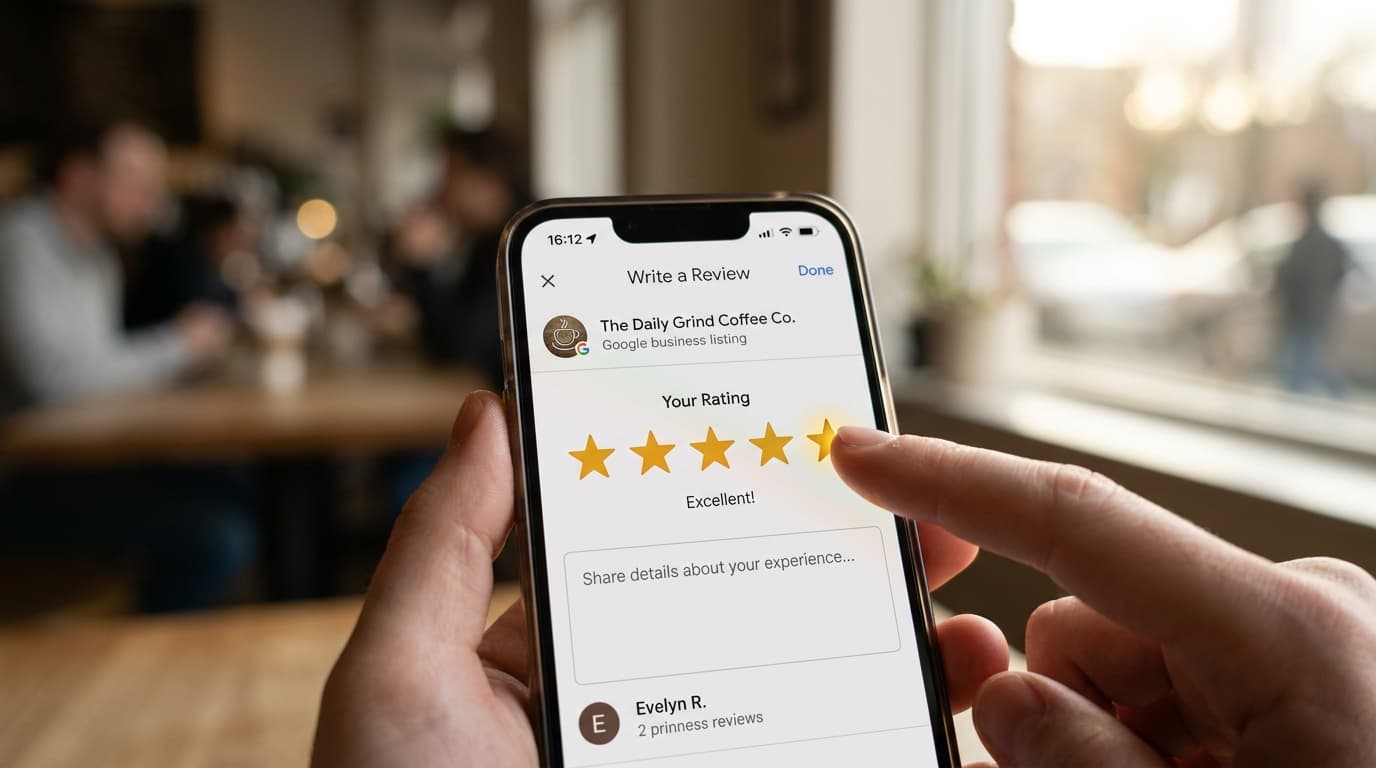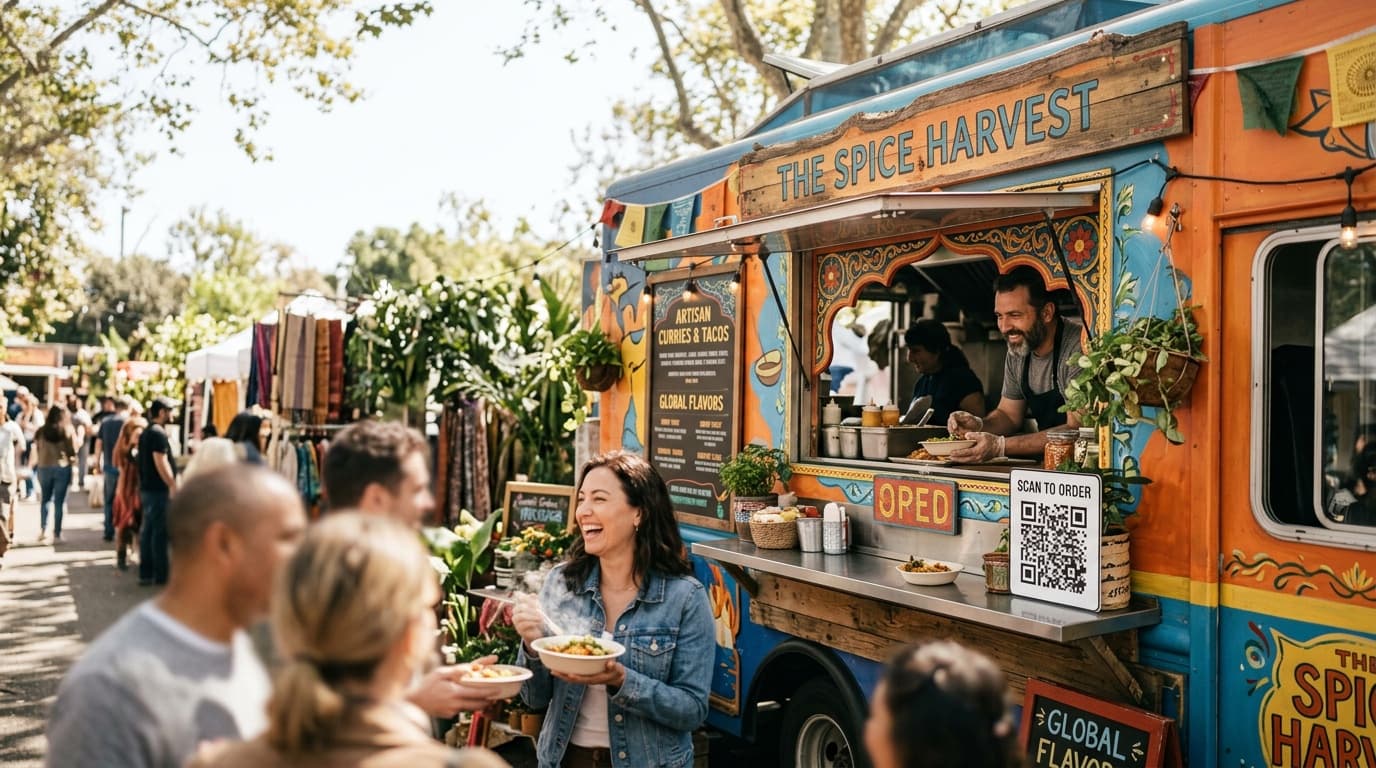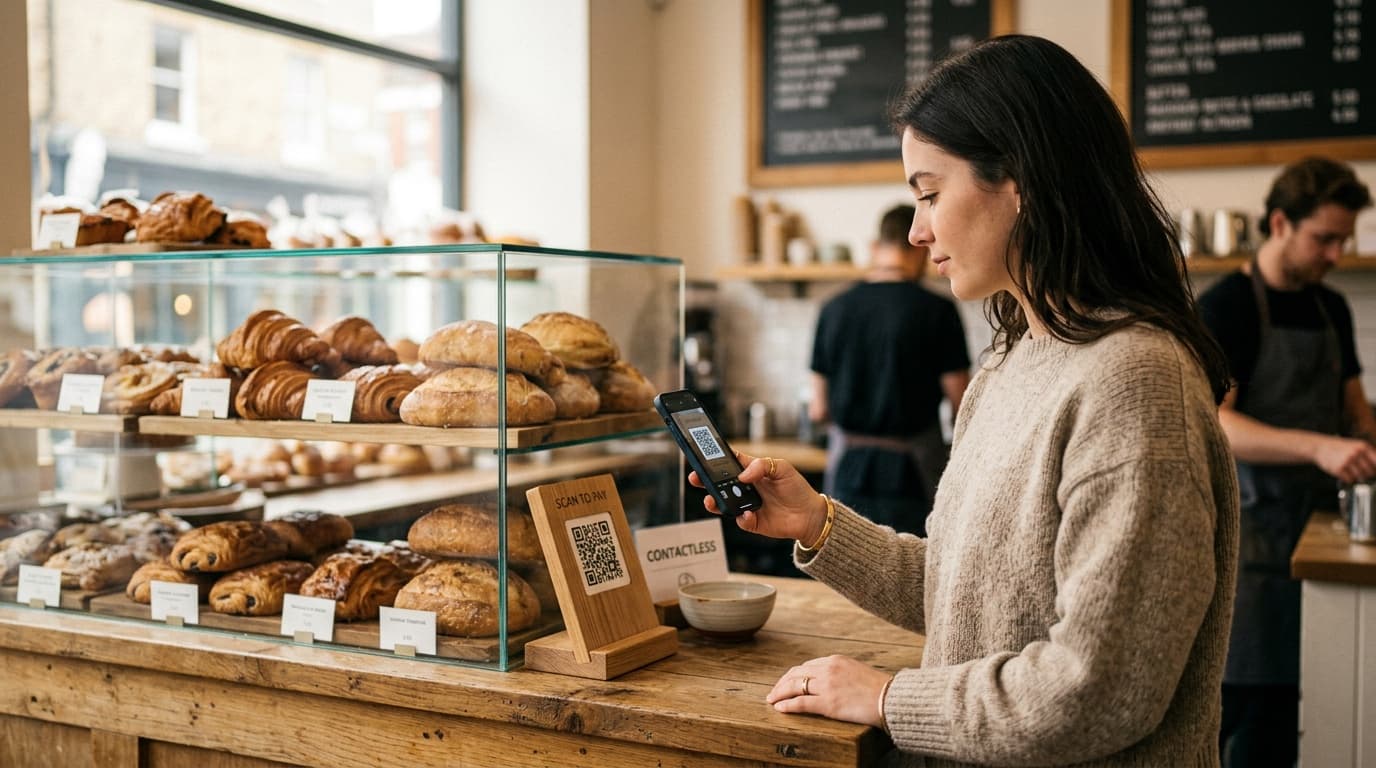
The market for cooking classes and culinary workshops is thriving. From beginner pasta nights to professional pastry courses, people are hungry for hands-on food experiences they can share. But no matter how talented your instructors are or how beautiful your kitchen is, if your Google Business Profile is sitting at 3.8 stars with 12 reviews, you're invisible to the thousands of people searching "cooking class near me" every month.
This guide covers everything a cooking school operator needs to know to build a consistent Google review strategy — from the psychology of when to ask to the tools that automate the whole process.
Why Google Reviews Matter More for Cooking Schools Than You Think
When someone searches for a cooking class in their city, the Google Maps pack is often the first result they see. The business that wins that search has three things working in their favor: proximity, relevance, and reputation. You can't easily change your address or force Google to boost your relevance overnight, but reputation — measured largely by your star rating and review count — is something you can actively build.
Here's what the data tells us:
- Listings with 4.5+ stars receive 28% more clicks than those below 4.0, even at similar price points
- Review freshness matters: Google's algorithm weights recent reviews more heavily. A 4.9-star average built entirely from reviews two years ago will lose ranking to a 4.7 average with a steady stream of new reviews this month
- Detailed reviews drive conversions: A review that mentions "the chef was patient with beginners" or "we made homemade pasta from scratch in two hours" answers the exact question your prospective students are Googling
For cooking schools specifically, reviews also serve as curriculum testimonials. A prospective student doesn't just want to know if your school is good — they want to know if they'll learn something, whether the atmosphere is welcoming for someone with no experience, and whether the price is worth it. Authentic reviews answer all of this better than any marketing copy.
The Structural Advantage Cooking Schools Have Over Other Businesses
Most businesses struggle with Google reviews because the window to ask is tiny and the timing is wrong. A restaurant has 60 minutes with a customer before they're out the door. A nail salon has 45 minutes. A fast food counter has 3.
Cooking schools have a fundamentally different dynamic. Your participants spend two to three hours with you. They cook, they laugh, they make mistakes, they collaborate. By the time they sit down to eat the dish they just made with their own hands, their emotional investment in the experience is at its peak.
This is the moment behavioral psychologists call "peak positive affect" — and it's the single best time to ask for a review. People are open, grateful, and willing to act on requests from people they like. You've spent hours building rapport. You're not a stranger asking for a favor; you're someone they've had an experience with.
The second structural advantage: cooking classes attract repeat customers. Someone who loves your sourdough workshop will often come back for your croissant class, your knife skills session, or your kids' pizza night. Every repeat visit is another opportunity to deepen the relationship — and ask for a review if they haven't left one yet.
When and How to Ask for a Review
The best moment: the tasting phase. As your students plate their dishes and sit down to eat, that's your window. A short, genuine ask works best:
"I'm really glad you enjoyed the class today. If you'd like to help other food lovers find us, we'd love a Google review — there's a QR code on the table that takes you straight there. It only takes about 30 seconds."
The ask works better when it comes from the instructor who led the class, not a random staff member at checkout. The personal relationship matters.
Always pair the verbal ask with a visible QR code. Print a small card or tent card for each table that links directly to your Google review form (not your website homepage — directly to the review prompt). This removes friction. Participants don't need to search for your business; they point their phone and they're there.
Follow up by email or SMS. Two to three hours after the class ends, send a warm follow-up message thanking participants and including the review link. If you shared a recipe PDF or photo from the class, include that too — it gives people a reason to open the message beyond the review request. This doubles your conversion rate compared to the in-class ask alone.
Gamification: The Most Effective Tool in Your Review Toolkit
The technique that consistently delivers the highest review conversion rates is gamification — specifically, a digital fortune wheel tied to a review request.
Here's how it works: at the end of class, before participants leave, they're invited to spin the wheel. To spin, they leave a Google review first. The wheel gives them a chance to win prizes you've chosen:
- 15% off their next class
- A free apron or kitchen tool
- A cookbook or recipe card set
- A complimentary "express" tasting session
- A bottle of olive oil or artisan ingredient from your pantry
The prizes don't need to be expensive. The psychology of the wheel does the work. Spinning something — even with low-stakes prizes — triggers anticipation and reward circuitry in the brain. The review stops feeling like a chore and starts feeling like the first step of a game.
Typical conversion rates for cooking schools using this approach:
- Verbal ask only: 5–10% of participants leave a review
- Verbal ask + QR code: 12–18%
- Gamified wheel after leaving a review: 30–45%
This approach is especially powerful for corporate team-building events, where groups of 10–20 people cook together. The competitive, playful spirit of the group makes spinning a wheel feel natural — and you can walk out of a single evening with 15 new reviews.
Building Your Monthly Review Cadence
Consistency beats volume. Google's algorithm rewards a steady flow of reviews over time, not a single spike followed by silence. Here's a realistic monthly target framework:
| Classes per month | Participants per class | Target review rate | Monthly review goal |
|---|---|---|---|
| 10 | 8 | 25% | ~20 reviews |
| 20 | 10 | 20% | ~40 reviews |
| 5 (corporate events) | 15 | 40% (gamified) | ~30 reviews |
Track your actual rate in a simple spreadsheet. If you're falling below target, identify where the friction is: Are you forgetting to ask? Is the QR code hard to scan? Is the follow-up email going to spam?
Responding to Reviews: The Step Most Schools Skip
Responding to your Google reviews is one of the highest-leverage actions you can take for local SEO — and almost no cooking school does it consistently.
A few rules that make responses effective:
- Respond to every review, positive or negative, within 48 hours
- Be specific: mention the dish they made, the date, the occasion. "So glad you enjoyed making your first croquembouche!" is infinitely more impactful than "Thank you for your review!"
- For negative reviews: never argue. Acknowledge the experience, thank them for the feedback, offer to make it right privately. Potential students reading your negative reviews will judge you on how you respond, not on the criticism itself
- Repurpose reviews: pull your best reviews into your email newsletter, website testimonials, and Instagram stories. One powerful review can do marketing work for months
Cooking schools are in a uniquely privileged position: you create memorable, emotional experiences that participants want to talk about. The gap between that satisfaction and a published Google review is almost entirely a question of making it easy and immediate.
Ludofy was built to close that gap. A digital fortune wheel that triggers after a Google review takes less than five minutes to set up, integrates with your existing workflow, and turns every class into a review-generating moment. Your cooking school has the content — Ludofy handles the collection.