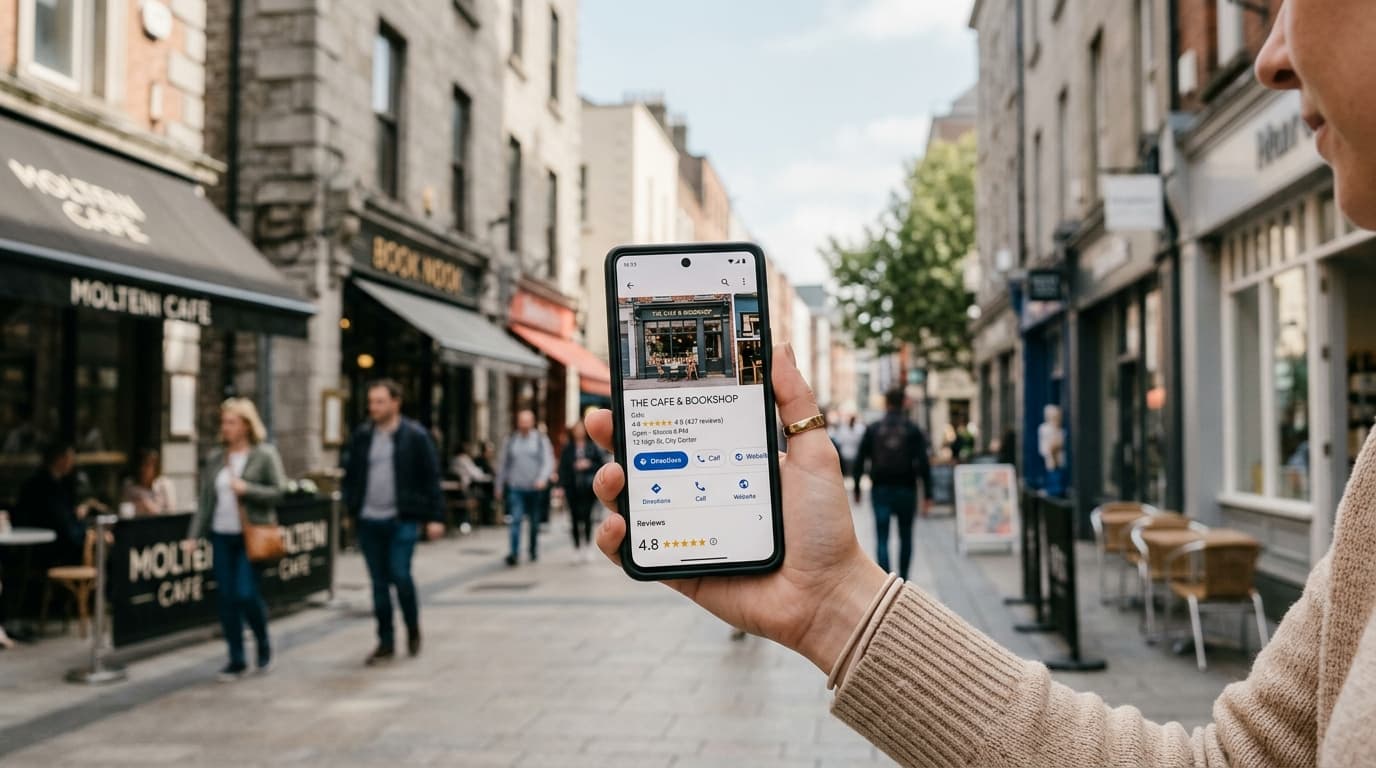
A parent searches "dance classes for kids near me." In under three seconds, they see a shortlist of local schools with star ratings, review counts, and opening hours. The school with 94 reviews at 4.9 stars looks more established, more trustworthy, and more worth a phone call than the one with 11 reviews at 4.2 — even if the teaching quality is identical.
This is the enrollment conversation happening before you even know it's happening. And it's one where your Google review profile speaks for you, or fails you, depending on what you've done to build it.
Why Google Reviews Carry More Weight for Dance Schools Than Most Businesses
Choosing a dance school is a considered purchase. Parents are committing money, time, and their child's emotional development to your studio for months or years. That kind of decision produces deep comparison behavior. Before calling, a typical parent will read four to eight reviews, looking for specific signals: teacher patience, welcoming atmosphere for beginners, quality of end-of-year recitals, how the school handles shy or less-coordinated children.
A review that says "My introverted daughter transformed in six months — the teachers are incredibly encouraging and the year-end showcase was professional and beautiful" carries more weight than any brochure or website copy you can write. It's a stranger vouching for a life-affecting choice, and that carries enormous credibility.
There is also a mechanical SEO dimension. Google's local ranking algorithm factors in review volume, recency, and star rating when determining which schools appear in the local map pack. A studio generating eight to ten reviews per month will consistently outrank a competitor with a similar cumulative total but no new reviews in the past quarter. Freshness signals activity — and Google reads that as relevance.
The Four Moments When Review Requests Convert Best
Dance schools have an advantage most local businesses don't: ongoing relationships with students that create multiple high-quality touchpoints throughout the year. The key is knowing which moments carry the most emotional charge — because that's when a review request converts most reliably.
1. After the Trial Class
The trial class is one of the most under-exploited review windows in the dance school calendar. A student or parent walks out with a fresh, often enthusiastic first impression. They're forming an opinion right now. A QR code card handed at checkout, or a small stand at the reception desk with a simple "Enjoyed your first class? Share it on Google" message, converts remarkably well because the emotion is live. The phone is already out — they're checking messages, looking up the bus route, or paying contactless. Scanning takes five seconds.
2. After the First Full Month
Students who complete their first month have overcome the initial hesitation and made a real commitment. They're forming a clear, settled view of the experience. A WhatsApp message or a brief word at the end of class — "You've been with us for a month — we'd love to hear what you think" — paired with a QR code at the front desk or on the monthly invoice, catches them at a moment of genuine reflection. Their feedback will also tend to be specific and useful, which makes it more valuable as social proof.
3. After the End-of-Year Showcase or Recital
The annual showcase is the single best review collection moment in a dance school's calendar, and most studios don't exploit it at all. Parents are proud, students are glowing, the energy in the room is charged with gratitude and achievement. A QR code display at the venue entrance, on the program, or on a small stand near the exit — briefly mentioned by the director at the close of the evening — can generate twenty to forty reviews in a single night.
You will not find a higher-conversion moment than this all year. Plan for it two weeks in advance. Brief your team. Have the QR codes printed and positioned before the first family arrives.
4. After a Grading Exam or Level Achievement
Passing a Royal Academy of Dancing grade, earning a certification, or moving up from beginner to intermediate creates a genuine emotional peak for both student and parent. The school gets direct credit for the progress. A small congratulations card tucked into the results envelope, with a QR code and a line like "Share your achievement on Google — it means a lot to our team," converts exceptionally well because the gratitude is at its most pointed.
Why Students and Parents Don't Leave Reviews Voluntarily
The gap between "satisfied customer" and "someone who actually leaves a review" is almost entirely explained by inertia and lack of cue. A parent who loved your school will not, on a random Tuesday, think "I should write a Google review." That thought simply doesn't occur unprompted.
What converts is a specific, well-timed request with minimal friction. Research on review collection consistently shows:
- Verbal requests at the front desk: 2–5% conversion
- Email links: 8–12% conversion
- Physical QR code at a high-emotion touchpoint: 18–25% conversion
- QR code with a gamified incentive (fortune wheel): 30–45% conversion
The difference between a QR code alone and a gamified experience is the motivation layer. The friction is already low with a QR code. Adding a spin mechanic answers the question "why should I do this right now?" with something immediate and tangible.
How a Fortune Wheel Triples Your Review Volume
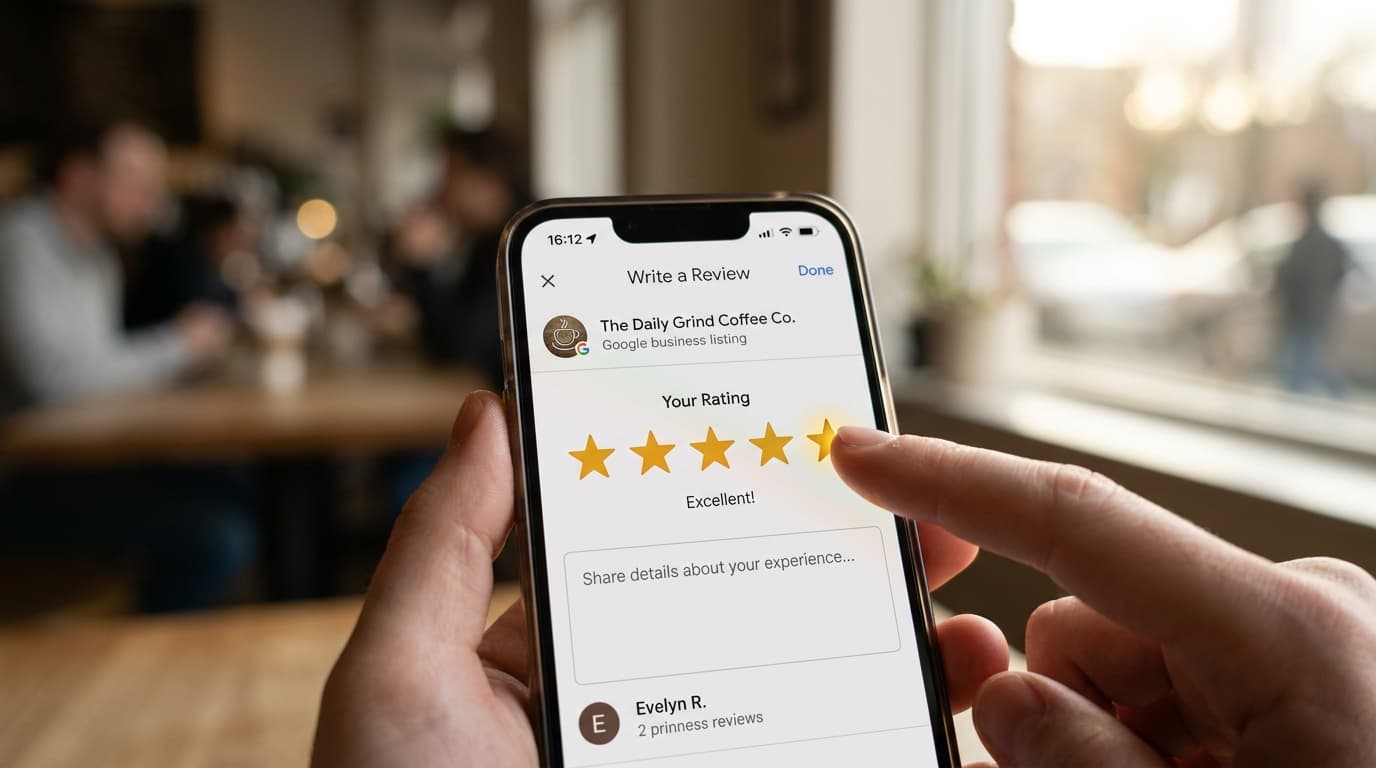
A digital fortune wheel works like this: the student or parent scans the QR code, sees a spinning wheel with small prizes, spins it, and is then invited to leave a Google review to claim their reward. The prizes don't need to be expensive — a discount on next term's fees, a free trial pass for a friend, early access to summer workshop registration, or a small branded item are all sufficient.
The psychological mechanism that makes this work is disproportionate to the prize value. Spinning and winning creates an immediate positive emotion that is transferred to the review action. The interaction feels like a two-way exchange rather than being asked to do someone a favor.
One important compliance note: the reward must be for leaving any honest review, regardless of star rating. Requiring a five-star review in exchange for a prize violates Google's policies and can result in reviews being removed. A properly configured fortune wheel separates the spin from the rating choice — students are free to write whatever they genuinely experienced. In practice, a studio that delivers an excellent experience will receive overwhelmingly positive reviews regardless.
What Makes a Great Dance School Review
Not all reviews carry the same weight. A review that reads "Great school!" signals almost nothing to a prospective family. Reviews that convert skeptical browsers into inquiries tend to share specific characteristics:
- They mention a teacher by name ("Miss Sarah is incredibly patient with anxious beginners")
- They reference a tangible outcome ("My son went from refusing to move in public to performing a solo in six months")
- They describe the atmosphere for a parent's context ("As a parent watching from the sidelines, I always felt welcome and informed")
- They address a concern that would-be enrollees commonly have ("They're very welcoming to kids who have never danced before")
You can't write reviews for your students, but you can create conditions that encourage specific, detailed feedback. When handing over the QR code, prompt with a simple question: "Is there anything specific you'd love to tell other families who might be considering us?" That prompt plants a frame that tends to produce better, more useful reviews.
A 90-Day Google Review Action Plan for Dance Schools
A focused three-month push typically generates 40–80 new reviews for an active dance school — enough to shift local rankings measurably.
Month 1 — Infrastructure: Install the QR code at front reception, on the changing room door, and at the checkout point. Brief all teaching and admin staff on the verbal request script: one sentence, said warmly, after every trial class and monthly payment interaction. Set up the fortune wheel with three prize options appropriate to your studio. Ensure the QR code links directly to your Google Review prompt — not to your website, not to a feedback form. Every extra tap is a conversion drop.
Month 2 — Routine: Add a review request to your end-of-first-month communication. Monitor all incoming reviews and respond to every one within 48 hours. Track which touchpoints are generating the most scans. Identify students who recently passed a grading and reach out individually with a congratulatory message that includes the review link.
Month 3 — Peak: If your end-of-year showcase falls in this window, prepare it as your primary review collection event. Produce a printed QR code display. Brief the director to mention it at the end of the evening. Monitor the spike in reviews and respond promptly to maintain momentum.
After 90 days, the goal is sustaining 6–10 new reviews per month. That cadence compounds: a studio at 20 reviews in September with a consistent review system is at 100+ reviews by the following June. That shift in profile weight changes which families call you — and how seriously they take you before they arrive.
Ludofy: Built for Studios With Ongoing Student Relationships
Ludofy's QR code fortune wheel is designed for exactly this type of business — a service provider with rich, long-term customer relationships, where the experience is high-quality but the feedback capture moment is easy to miss. A student or parent scans, spins the wheel, and leaves a Google review in under two minutes, with no app download and no account required.
For dance studios competing in dense local markets — where the gap between a 4.3 and a 4.8 rating, or between 22 reviews and 120, can determine which school a family calls first — a systematic review collection strategy is the highest-return marketing investment available. Build it before your next enrollment season, and let your Google profile do the closing.