Running an Italian restaurant means you're selling more than food — you're selling an experience: the warmth of the room, the smell of fresh basil, the theatrical twirl of pasta. The problem is that most of that experience stays inside your four walls unless your guests are inspired to share it. Google Reviews are how that experience travels.
A solid base of authentic five-star reviews does three things for an Italian restaurant: it convinces first-time visitors to choose you over the place down the street, it signals to Google's algorithm that your listing deserves a prominent place on the map, and it gives you a steady stream of social proof you can use in marketing. Yet most Italian restaurant owners rely entirely on happy accidents — hoping a satisfied diner pulls out their phone before they even leave the table.
This guide shows you how to stop leaving reviews to chance.
Why Google Reviews Hit Differently for Italian Restaurants
Search "Italian restaurant near me" on any weekday evening and you'll see the pattern immediately: the top three results in the local pack all have hundreds of reviews and ratings above 4.5. Diners searching for Italian food carry specific expectations — romantic atmosphere, authentic recipes, generous portions, attentive service — and they read reviews to find out whether a place delivers on all of them.
Unlike fast-food chains where convenience drives the decision, Italian dining is usually a considered choice: a birthday dinner, a date night, a business lunch with a client. The higher the stakes of the occasion, the more seriously the diner researches. That means more reviews and better reviews have an outsized impact on your bookings.
The review gap between good Italian restaurants and great-looking Italian restaurants is often the only thing separating a half-empty dining room on a Thursday from a two-week wait list.
The Moment That Matters Most: After the Dolce
Timing is everything. The best moment to ask for a Google Review from an Italian diner is during the final stage of the meal — ideally after the dessert or the espresso, when the experience is fresh and the mood is relaxed. This is when your guest is most likely to say, "This was wonderful."
A simple verbal nudge from the server works surprisingly well: "I'm so glad you enjoyed the evening — if you have a moment when you're home, a quick Google Review would mean the world to us." Direct, genuine, not pushy.
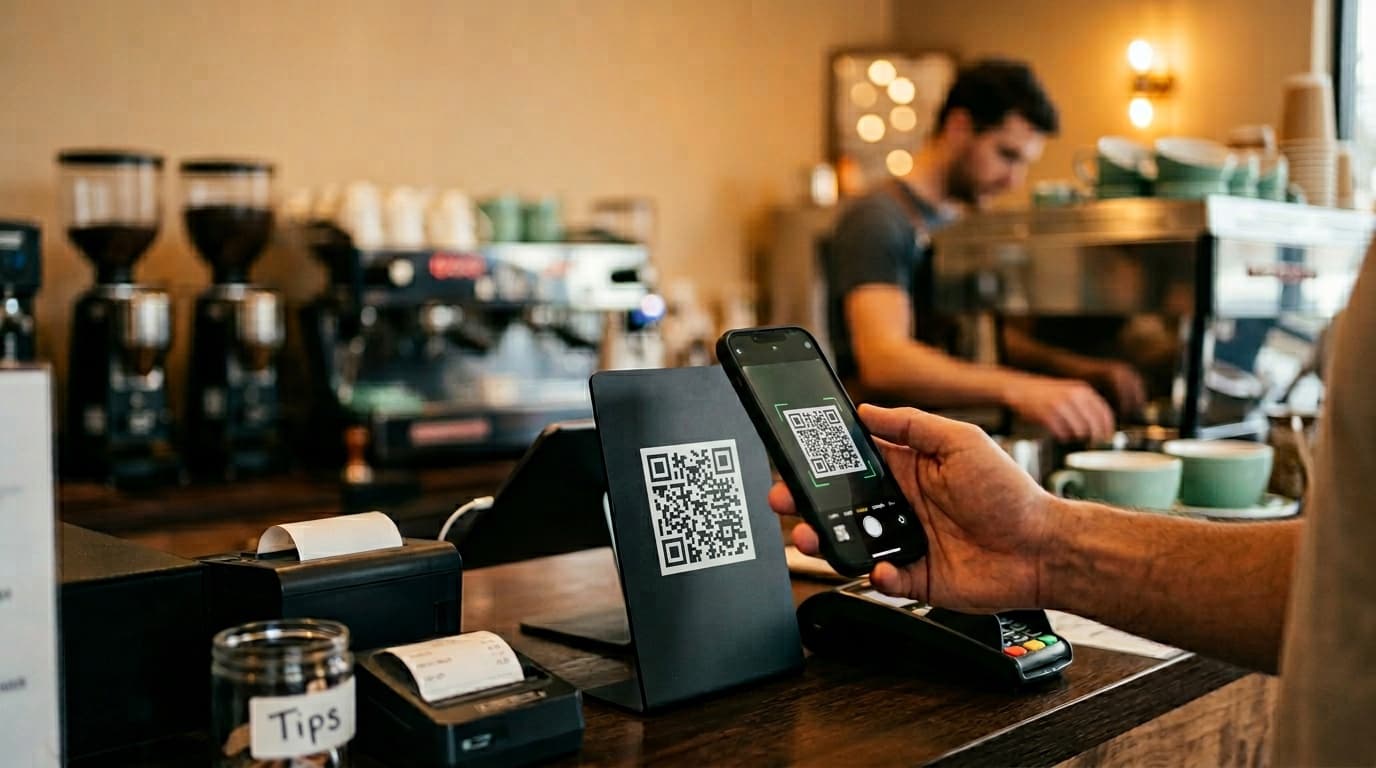
To remove every ounce of friction, pair that verbal ask with a physical QR code. Place it on the bill presenter, a table card, or a small card handed with the check. One scan takes the diner directly to your Google Review form. No searching, no navigating — they're one tap away from leaving a review while your tiramisu is still on their palate.
Using Your Team as a Review Engine
Your staff are your best review-generating asset. Servers who genuinely love the restaurant and are comfortable asking will collect far more reviews than any automated system. A few practices that work:
Make it part of the closing ritual. Brief your team to mention reviews naturally when presenting the bill or saying goodbye — not as a script, but as something they mean. Guests respond to sincerity.
Explain the stakes. When your team understands that reviews directly affect how many covers you do each week — and therefore their own tips and job security — asking stops feeling awkward and starts feeling obvious.
Recognise effort, not just outcome. Share review counts in your pre-service briefings. Celebrate the weeks when review volume climbs. A little healthy competition between front-of-house team members can double your weekly collection rate.
Turning Your Ambiance Into a Review Trigger
Italian restaurants have a natural advantage: people photograph the food, the candles, the wine list, the pasta al dente. That photogenic energy is also a review trigger. A few ways to lean into it:
- Signature dishes as conversation starters. If your carbonara or your wood-fired Neapolitan pizza is the dish guests talk about, make it even more memorable. An item people feel compelled to photograph is an item they're likely to write about.
- Leave a QR code at the bar. Guests waiting for a table or finishing a drink are often on their phones already. A small table card with a QR code and a friendly line — "Loved what you had? Let the neighbourhood know" — converts idle scrolling into a review.
- Include the QR code in your printed menu. A subtle footer on the last page, beneath the coffee and digestivo list, keeps the ask present without being intrusive.
Gamify the Ask with a Fortune Wheel
The most effective Italian restaurants are starting to add a gamified element to the review request. Here's how it works: a QR code at the table invites guests to spin a digital fortune wheel for a chance to win something — a free limoncello next visit, a 10% discount, a priority reservation. To unlock the wheel, guests complete a step that benefits you: leaving a Google Review, following your Instagram, or signing up for your newsletter.
This approach works because it transforms the request from "do us a favour" into "here's something fun for you." The element of surprise — what will I win? — drives engagement, and the small reward creates a positive association with both the game and your restaurant. Guests leave happy, you collect reviews, and the winner is likely to come back to redeem their prize.
Tools like Ludofy make it straightforward to set up a branded fortune wheel that fires exactly at the right moment in the guest journey. The QR code can live on the table, on a receipt, or on a takeaway box for delivery orders.
Responding to Reviews: A Practice Most Italian Restaurants Skip
Collecting reviews is only half the job. Responding to them — both positive and negative — signals to Google that your business is active and engaged, which has a measurable effect on your local ranking. It also signals to prospective diners who read your responses that you actually care.
For positive reviews, a brief, personal thank-you is enough: reference something specific in their comment, invite them back, maybe tease an upcoming special. Avoid copy-pasting the same response to every review — regulars and Google alike notice the lack of effort.
For negative reviews, respond within 24 hours, acknowledge the concern without being defensive, and offer to make it right. A gracious response to a bad review often reads better to potential customers than the bad review itself.
Building Review Consistency Over Time
The biggest mistake Italian restaurant owners make with Google Reviews is treating them as a campaign — a burst of effort that fades once the novelty wears off. Google's algorithm values review recency. Twenty reviews from last month count for more than two hundred from three years ago. You need a consistent drumbeat of new reviews every single week.
The way to build that consistency is to make review requests a non-negotiable part of your closing service ritual, not an occasional reminder. When asking is just what your team does every night, the reviews follow naturally.
Set a simple weekly target — say, ten new reviews per week for a 50-cover restaurant. Track it the same way you'd track covers or average ticket size. At that pace, you'll have over 500 fresh reviews in a year, a profile that dominates local search, and a reputation that keeps Italian food lovers booking weeks in advance.
Ludofy's fortune wheel platform was built specifically for this kind of consistent, in-venue review generation. If you'd like to see how it works for a restaurant like yours, start a free trial at ludofy.io.