Four hundred people in your venue on a Saturday night. The DJ is killing it. The crowd is electric. By Sunday morning? Three new Google reviews — four if you're lucky.
If you run a nightclub, a bar with live music, or a dedicated concert venue, this gap between the quality of experience you deliver and the volume of reviews you collect is one of your biggest untapped competitive advantages. The businesses that close it don't just look better online — they fill their nights consistently because of it.
Why Google Reviews Matter More Than You Think for Nightlife
When someone planning a night out searches Google — "best nightclubs in [city]," "live music tonight near me," "rooftop bars this weekend" — what they see in the first five results shapes every decision they make. A venue with 4.7 stars and 430 reviews wins that click almost every time, even when the place with 4.1 stars and 50 reviews might actually have the better vibe.
In nightlife, online social proof is the first filter. Your prospective customers don't know your venue, your lineup, or your crowd. What they see is your digital reputation, and that reputation is built one review at a time.
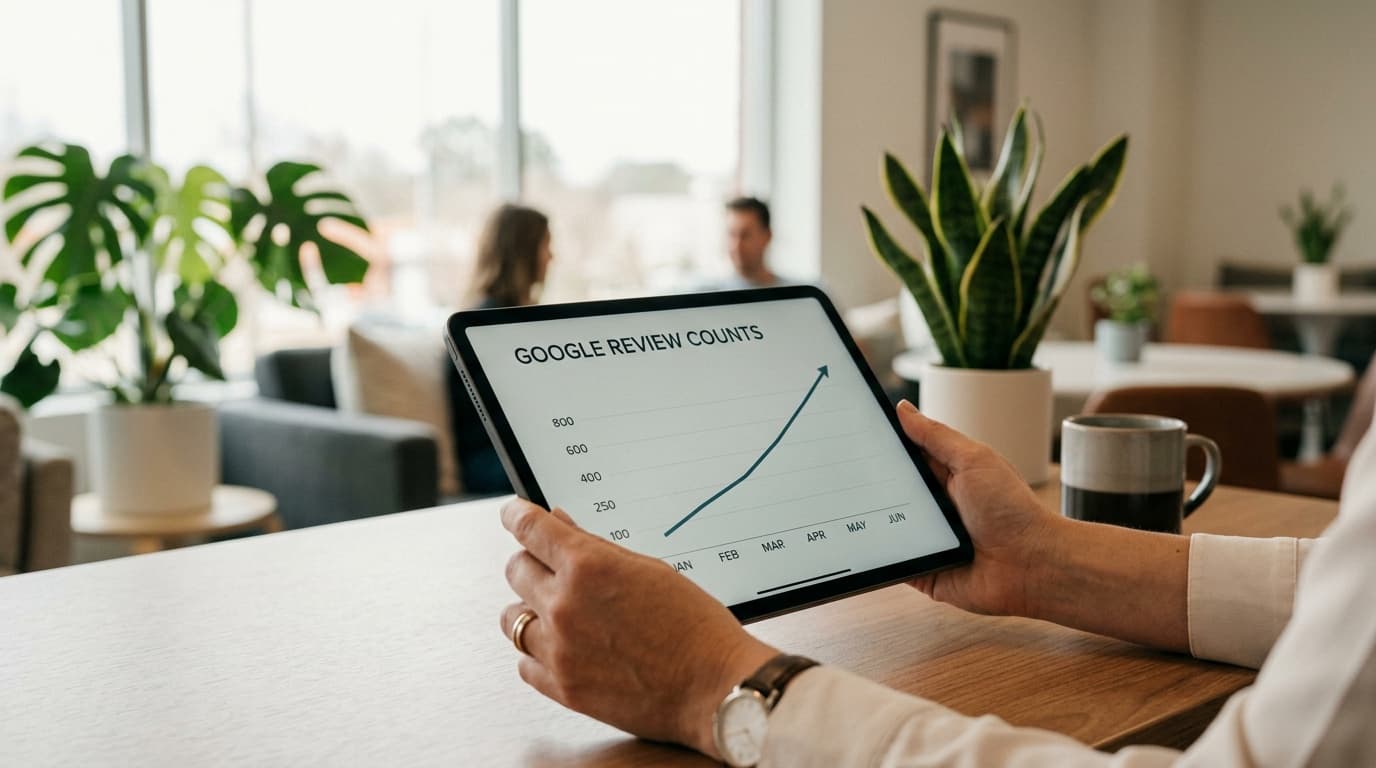
The local SEO dimension is equally critical. Google Maps ranks local businesses based in part on review velocity and total volume. A venue generating fresh reviews every week climbs the map rankings, earning free organic visibility during Thursday and Friday evening searches — exactly when your next customers are deciding where to go. That is compounding, free marketing with no ad spend attached.
The Nightlife Review Problem: Why the Gap Is So Large
Restaurant owners have a structural advantage. Their customers leave sober, in a calm mood, through a payment interaction that creates a natural pause. Asking for a review at the table, or printing a QR code on the bill, catches people in the right mental state.
Nightlife venues face a completely different dynamic. By the time your guests leave at 2 a.m., they are tired, they have been drinking, and they are focused on getting home. The person who genuinely had a great night and fully intended to leave you a five-star review? They'll wake up, scroll through their phone, and that intention will have evaporated entirely.
This is the intention-action gap — and it is substantially wider in nightlife than in almost any other hospitality segment. Bridging it requires changing when and how you ask, not simply asking louder or more often.
The Three Windows That Actually Work
The nightlife environment is not inherently hostile to review collection. It just requires identifying the right moments of availability.
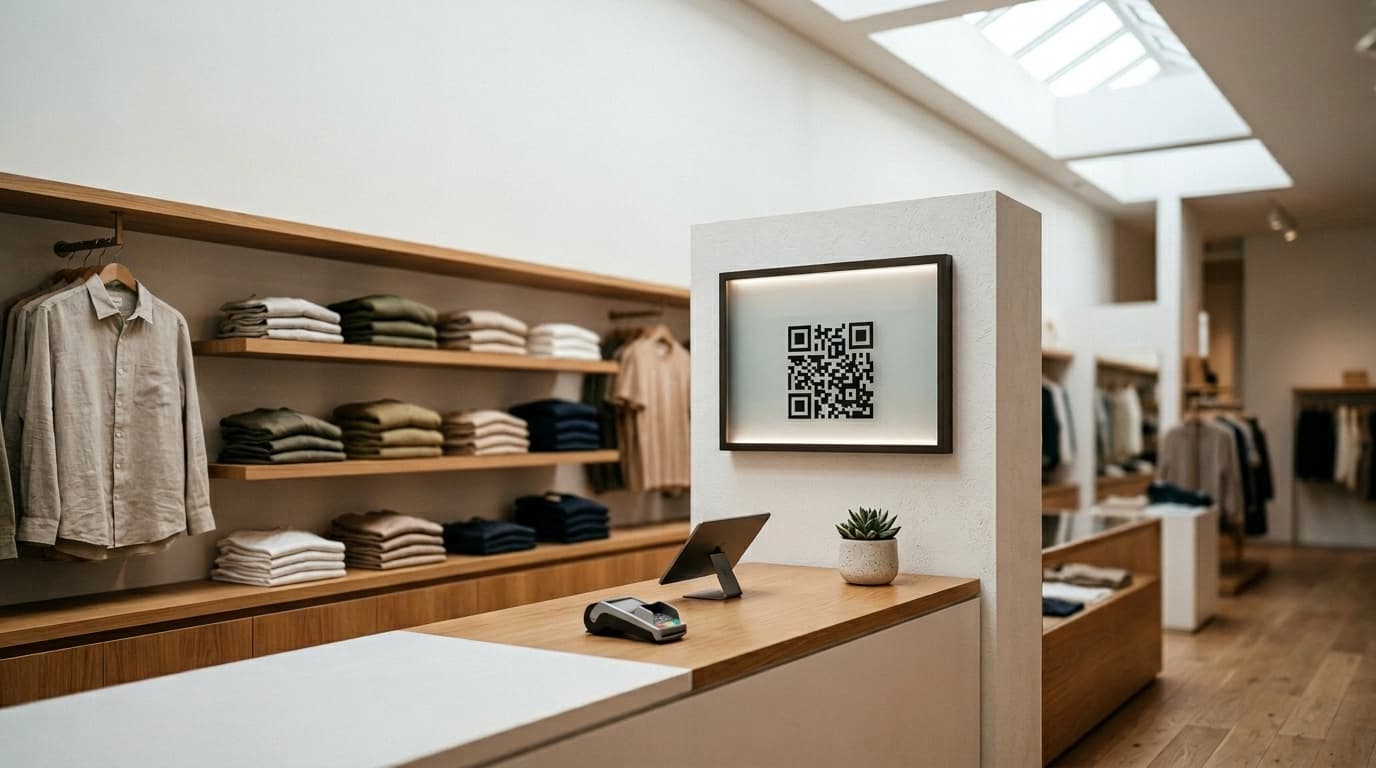
The bar wait. When someone is waiting for their drink order, they have 30 to 60 seconds of unoccupied mental bandwidth. They are already on their phone or looking around the bar. A QR code card on the counter, or a small illuminated display at eye level, intercepts that moment naturally. No pressure, no ask — just a visible, low-friction invitation.
The set break or intermission. In a live music venue, the pause between sets is your equivalent of the dessert course. The audience relaxes, conversations restart, phones come out. A QR code displayed on venue screens, or a brief shoutout from the host ("Quick break — if you're having a great night, we'd love a Google review — spin the wheel and win something for next time"), lands in exactly the window you need.
Coat check and the exit queue. The time spent waiting to retrieve a coat or filter through the exit is dead time that almost every venue wastes. A QR code display at the coat check counter, or a backlit sign at the exit point with a clear, specific incentive — "Spin the wheel on your way out. Free entry next time?" — converts passive waiting into direct action.
QR Code Placement That Works in Dim, High-Energy Environments
Standard QR code stickers on a dark wall are functionally invisible in nightlife environments. You need to design for the actual physical context: low ambient light, high noise, dispersed attention.
Cocktail and drink menus. This is your single highest-leverage placement. Guests hold menus in their hands, read them, and have a brief pocket of calm attention. A small QR code section at the bottom or back of the menu — "Loved your night? Spin the wheel" — reaches them in exactly that moment.
Backlit counter displays. A small illuminated acrylic QR stand on the bar is dramatically more visible than anything printed on a dark surface. The light draws the eye, and the scan works reliably even in low ambient lighting. The hardware cost is minimal; the incremental review volume adds up quickly.
Receipts and bar check presenters. If your venue issues printed receipts for tab service or table orders, the bottom of the receipt is prime real estate. Add a QR code with a hook: "Scan before you head out — your next visit could be on us." People hold the receipt long enough to read it.
In-venue screens. Any screen in your venue — stage-side monitors, lounge displays, the screen above the bar — can cycle a QR code graphic between other content. Five seconds of visibility every few minutes maintains the option throughout the evening without it feeling like advertising.
Gamification: The Ingredient That Makes It Convert
A plain "leave us a Google review" ask converts poorly in a nightlife setting. Your guests have been stimulated all evening — music, lights, alcohol, people. A passive QR code cannot compete for that attention on equal terms.
What works is giving guests a reason to act right now, tied to something immediately playful and rewarding. This is where gamification transforms the equation.
A digital fortune wheel — accessible by scanning a QR code after leaving a review — turns a transactional ask into an experience. The guest writes a review, scans, spins, and discovers whether they have won free entry on their next visit, a complimentary drink, coat check credit, or a VIP table upgrade for their group. The anticipation of the spin is itself engaging, and critically, it is an experience that fits naturally within the entertainment environment you have already created.
This mechanic works because it aligns with the psychology of nightlife: you are in the entertainment business, and the fortune wheel is an extension of that, not a corporate form to fill out. Venues using this approach typically see review conversion rates three to eight times higher than static QR codes.
The prize structure matters enormously. Rewards that drive a return visit — free entry, a reserved area for a group booking, a complimentary first round — are more valuable to your business than one-time gifts of equivalent monetary value. You are not just collecting a review; you are booking the next visit at the same time. That is a fundamentally different return on investment.
Handling Negative Reviews Without Damaging Your Reputation
Nightlife venues attract high-emotion reviews. Complaints about long entry queues, security interactions, drink prices, or noise spill can land hard on your profile and feel deeply unfair when you know the full context.
The professional approach is always the same: respond to every review, quickly, without being defensive. A measured, thoughtful response to a negative review does more for your public reputation than ten additional positive ones. Prospective customers read responses just as carefully as reviews — they are evaluating how you handle problems, not merely whether problems exist.
Effective response structure: acknowledge the experience without conceding things that did not happen, name the specific issue if it is legitimate, and offer a path forward that is personal and concrete. "We are sorry your night didn't meet expectations. Wait times at entry on our busiest nights is something we actively review. Feel free to reach out directly and we will make sure your next visit starts differently." This turns a complaint into a recovery opportunity and signals to everyone reading that your venue is worth a second chance.
Building a Review Engine That Runs Every Night
The venues that dominate Google Maps in their area are not the ones that had a good burst of reviews two years ago. They are the ones generating a steady stream of fresh reviews every single week. Google weights recency heavily — a venue with 40 reviews in the last 30 days will outrank one with 400 reviews from 18 months ago in most markets.
Building that consistency does not require hiring extra staff or creating a new nightly routine for your managers. It requires the right infrastructure, set up once, running automatically every night your doors are open.
Ludofy was built precisely for this — a turnkey QR code and digital fortune wheel system that generates reviews on autopilot, backed by a real-time dashboard so you can track exactly what is working and where. If you operate a nightclub or live music venue and your Google profile still does not reflect the quality of your nights, that gap is both a problem and an opportunity. Closing it starts with one well-placed QR code.