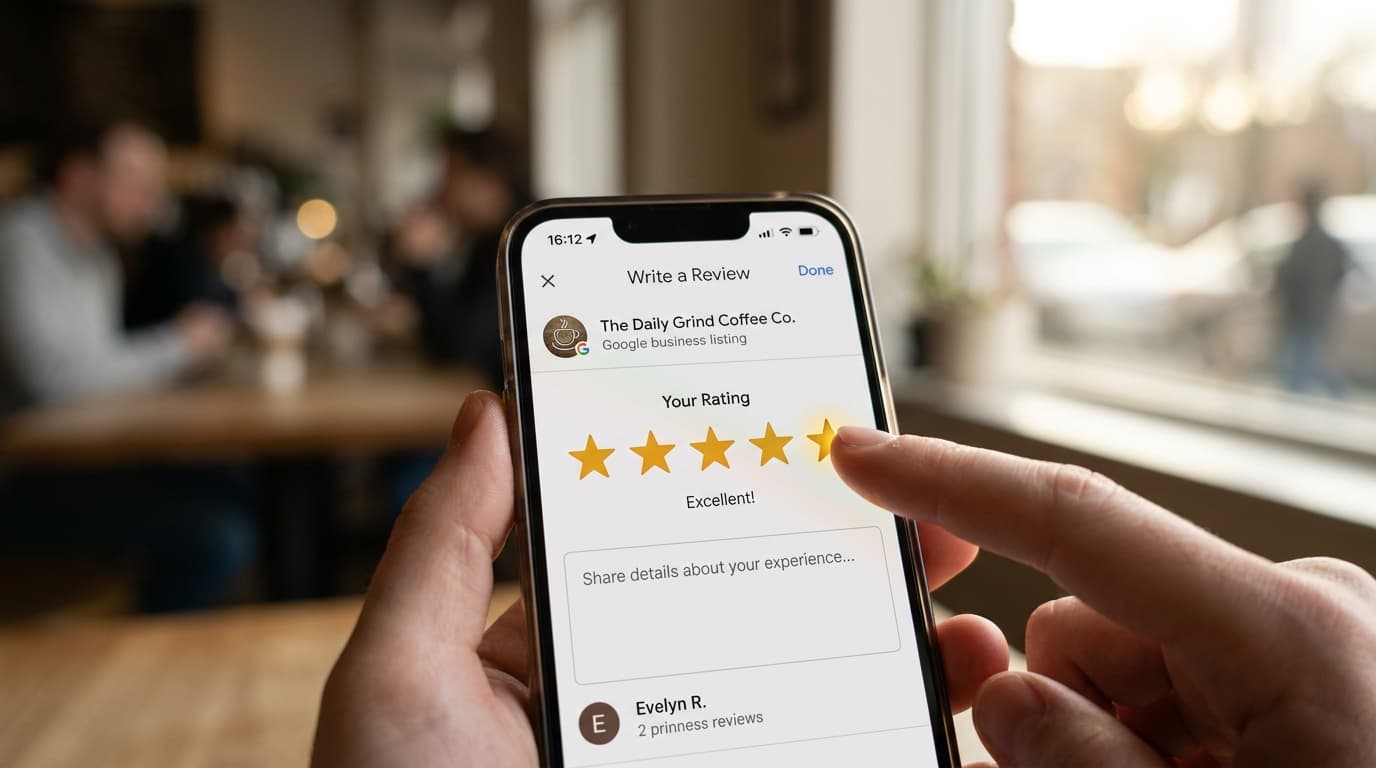
Ramen and noodle restaurants have become one of the most competitive segments in casual dining. Whether you're running a traditional tonkotsu counter in downtown Manhattan, a pho shop in Melbourne, or a pan-Asian noodle bar in London, the pattern is the same: potential guests open Google Maps, compare ratings, and choose the place with the most reviews and the highest score — often before they've even looked at your menu.
The problem is that the best noodle restaurants aren't always the ones winning on Google. The winners are the ones who've turned review collection into a repeatable process, not an afterthought.
This guide gives you that process.
Why Noodle Restaurants Face a Unique Review Challenge
The dining format works against you. A ramen or noodle restaurant typically runs at high volume and high speed — tables turn quickly, the experience is immersive (head down, chopsticks in hand, broth getting cold), and guests leave the moment their bowl is empty. There's no lingering over wine, no long dessert pause where a review request lands naturally.
At the same time, the category attracts passionate diners who will leave a review — often a negative one — when something disappoints. The broth is too salty. The portion felt small for the price. The wait was 40 minutes for a table with no communication. Noodle enthusiasts have opinions.
The asymmetry is brutal: unhappy guests are 3 to 5 times more likely to write a review than satisfied ones. Your review strategy needs to actively close that gap.
Volume is your first defense. A restaurant with 12 reviews and a 4.6 average is vulnerable to a single 1-star complaint. A restaurant with 400 reviews and a 4.5 average barely moves when someone complains their egg was slightly overcooked.
The 5 Factors That Separate 4.7-Star and 3.9-Star Noodle Restaurants
Walk through Google Maps results for "best ramen" in any major city and you'll notice the top-ranked spots share a pattern:
- Review volume above 200. Below that threshold, the algorithm treats you as unproven. Above it, you start appearing in "Top 10" compilations and map packs.
- Consistent recent reviews. Three reviews per week outranks a competitor who received 30 reviews three years ago and nothing since. Google weights recency heavily.
- Responses to reviews. Restaurants that respond to their reviews — positive and negative — rank higher. It signals to Google that the business is active and engaged.
- Photo-rich profiles. Noodle dishes are inherently photogenic. Profiles with 50+ customer photos see 35% more visits than those without, according to Google's own data.
- Star distribution. A 4.6 average built mostly on 5-star reviews with a handful of 1s reads more trustworthy than a 4.6 built on many 3s and 4s. Encourage your best customers to review, not just your most vocal critics.
When and How to Ask for a Review
Most noodle restaurants make the same mistake: they put a tiny "Find us on Google" sign near the door. No one sees it. No one acts on it.
The moment of maximum motivation is right after the customer finishes their bowl and before they pay. That's when satisfaction is highest and friction to act is lowest. Your team clearing the bowl is the natural cue.
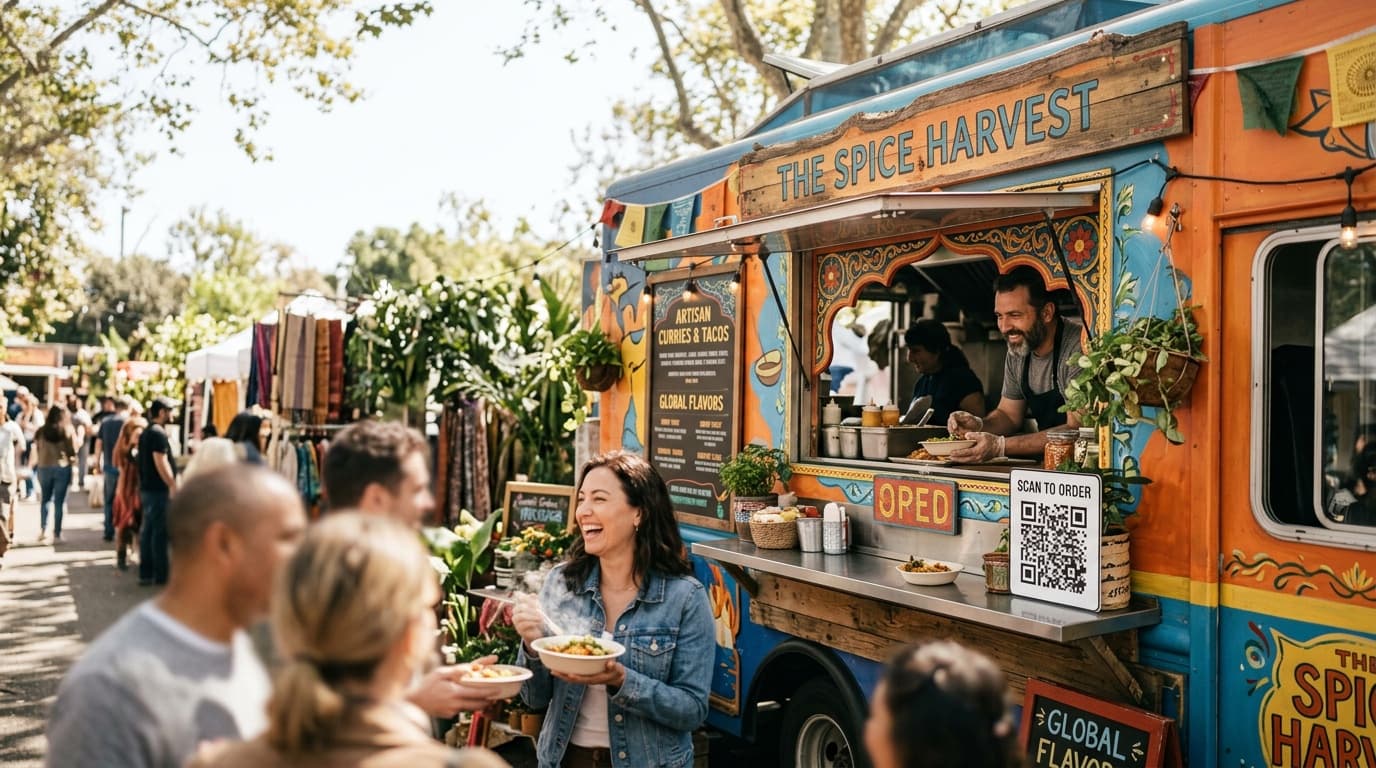
The most effective approach is a small, well-designed QR code card placed at each table or handed by staff:
- Table tent QR cards. Place a branded card next to each condiment holder. "Loved your bowl? Share your thoughts on Google." The QR leads directly to your Google review form — not your homepage, not a landing page. Directly to the review field.
- Receipt insert. For takeaway and delivery pickup orders, slip a small card into the bag with a simple message and QR code. Delivery customers often have more time to review than dine-in guests.
- Counter display. At ramen counters where diners face forward eating alone, a small sign at eye level near the exit performs well. The psychology is right — solo diners are already in "phone mode."
Train your team to mention the QR card warmly once. Not repeatedly, not pushily — just once, at the right moment.
Gamification: The Fastest Way to Multiply Your Review Rate
The single most effective tactic for noodle restaurants with high table turnover isn't a sign or a card — it's a digital fortune wheel.
The mechanic is simple: after finishing their meal, guests scan a QR code and are invited to spin a digital wheel. To receive their prize, they complete a Google review. The spin takes seconds. The anticipation of a reward overcomes the activation barrier that stops most satisfied diners from ever opening Google.
Conversion rates from fortune wheel-based review requests average 5 to 10 times higher than passive QR code signs alone.
Prize ideas that work specifically for ramen and noodle restaurants:
- Free add-on on next visit: Extra egg, bamboo shoots, extra noodles — low cost, high perceived value
- 10–15% discount on next dine-in visit: Drives return rate alongside the review
- Free side dish or starter: A gyoza, spring roll, or edamame on the next visit
- Free tasting shot of seasonal broth: Exclusive, memorable, costs almost nothing
The key is that prizes should connect to the dining experience itself. A generic cashback voucher or entry into a monthly raffle doesn't create the same emotional link as a food reward.
How to Respond to Reviews at a Noodle Restaurant
Responding to reviews isn't optional if you want to rank. Here's how to handle the most common review types:
"The broth was too salty/bland." Taste is subjective and you can acknowledge that gracefully: "Thank you for the honest feedback — our broth recipe does lean [bold/delicate], and we know that's not for everyone. We'd love to invite you back to try our current seasonal variation."
"Long wait, no communication." Address operationally and personally: "You're right and we apologize — during peak hours our wait system breaks down. We've since [added a waitlist app / improved communication]. Thank you for flagging this."
"Small portions for the price." Value perception complaints should be met with transparency: "We use [specific ingredient quality] and every bowl is hand-prepared. We understand the price point isn't for everyone and genuinely appreciate you trying us."
5-star reviews. Always respond, even briefly: "So glad you loved it! The [dish they mentioned] is one of our favorites to make. See you next time." Responding to positive reviews builds loyalty and improves ranking.
Building a Review System That Doesn't Depend on Memory
The noodle restaurants that dominate Google Maps haven't found a magic trick — they've built habits. Review collection is on the close-out checklist, not dependent on one employee remembering to ask.
Practical steps to systematize it:
- Assign one team member as "review owner" per shift
- Restock QR code cards daily (wear and spills happen fast in kitchen environments)
- Check review metrics weekly alongside covers and average spend
- When you cross milestones — 100 reviews, 200 reviews, first 4.8 month — celebrate with the team
Ludofy was built for exactly this environment. Set up a branded digital fortune wheel linked to your Google profile in under an hour, generate a QR code, print it, and your review system is live. Restaurant owners in the hospitality sector consistently report tripling their monthly review volume within the first 30 days — without a single uncomfortable ask at the counter.
Your best bowl deserves to be the first thing prospective guests see. Give it the review infrastructure to match.