Seafood restaurants operate in a category where the stakes — and the expectations — are unusually high. Guests come for a special occasion, for the freshest catch of the day, or because they've been recommended by a friend who swore the oysters were life-changing. They arrive with a story in mind. When the experience matches that story, they leave satisfied. When it doesn't, they leave a review.
The problem is that most seafood restaurant owners wait for that second scenario. They respond to negative reviews, sure, but they're not actively building the positive reputation they deserve.
This guide is a practical playbook for doing exactly that — turning every crab claw cracked, every wine pairing landed, every "this is the freshest fish I've had in years" moment into a 5-star Google review.
Why Google Reviews Are Non-Negotiable for Seafood Restaurants
Seafood dining is inherently discovery-driven. Whether someone is visiting a coastal town for the weekend, relocating to a new city, or simply celebrating an anniversary, they're searching Google before they're searching anything else. "Best seafood restaurant near me" is one of the highest-intent local searches on the platform.
A 4.7+ Google rating isn't just a vanity metric. Research consistently shows that restaurants above the 4.5 threshold attract significantly more bookings from first-time visitors, can justify premium pricing, and are substantially more likely to appear in Google's local three-pack — the coveted results that show up before any organic listings.
For seafood specifically, the stakes are even higher because:
- Price expectations are elevated. Guests paying €45 for a plateau de fruits de mer or £30 for a whole grilled sea bass are primed to share their experience, positive or negative.
- The category is emotionally resonant. Seafood dinners are often tied to milestones — a birthday, an anniversary, a retirement celebration. People share milestone memories.
- Freshness is the primary trust signal. Potential customers read reviews specifically to answer one question: "Is the fish actually fresh here?"
The Seafood Review Gap: Why Most Restaurants Are Under-Rated
Here's a paradox common in the seafood category: restaurants with genuinely exceptional food and service consistently under-collect reviews compared to their quality. The reason is structural.
Seafood restaurants tend to attract two extremes of diner. The first is the occasion visitor — someone who might come twice a year at most. The second is the serious local food enthusiast who holds high standards and rarely bothers to leave a review unless something disappoints.
Meanwhile, fast casual operators nearby are generating dozens of reviews per week simply because volume and accessibility make it easy for customers to leave feedback. A seafood restaurant doing 40 covers on a Friday night and delivering genuinely excellent food should be generating far more reviews than a fast food competitor doing 200 covers — but without a deliberate system, it won't.
Five Strategies That Work for Seafood Restaurants
1. Time Your Request at the Peak Emotion Moment
Seafood dining has a natural emotional arc. The moment a guest cracks open a lobster and sighs with satisfaction, when the sommelier's wine pairing turns out to be exactly right, when the moules marinières arrive and the entire table leans in — these are your review windows.
Train your team to read the table. When a guest expresses genuine delight — verbally or through body language — that's the moment to say: "I'm really glad you enjoyed it. If you had a few seconds, a Google review would mean a lot to us." Not at the end of the meal when fatigue has set in, but in that moment of authentic satisfaction.
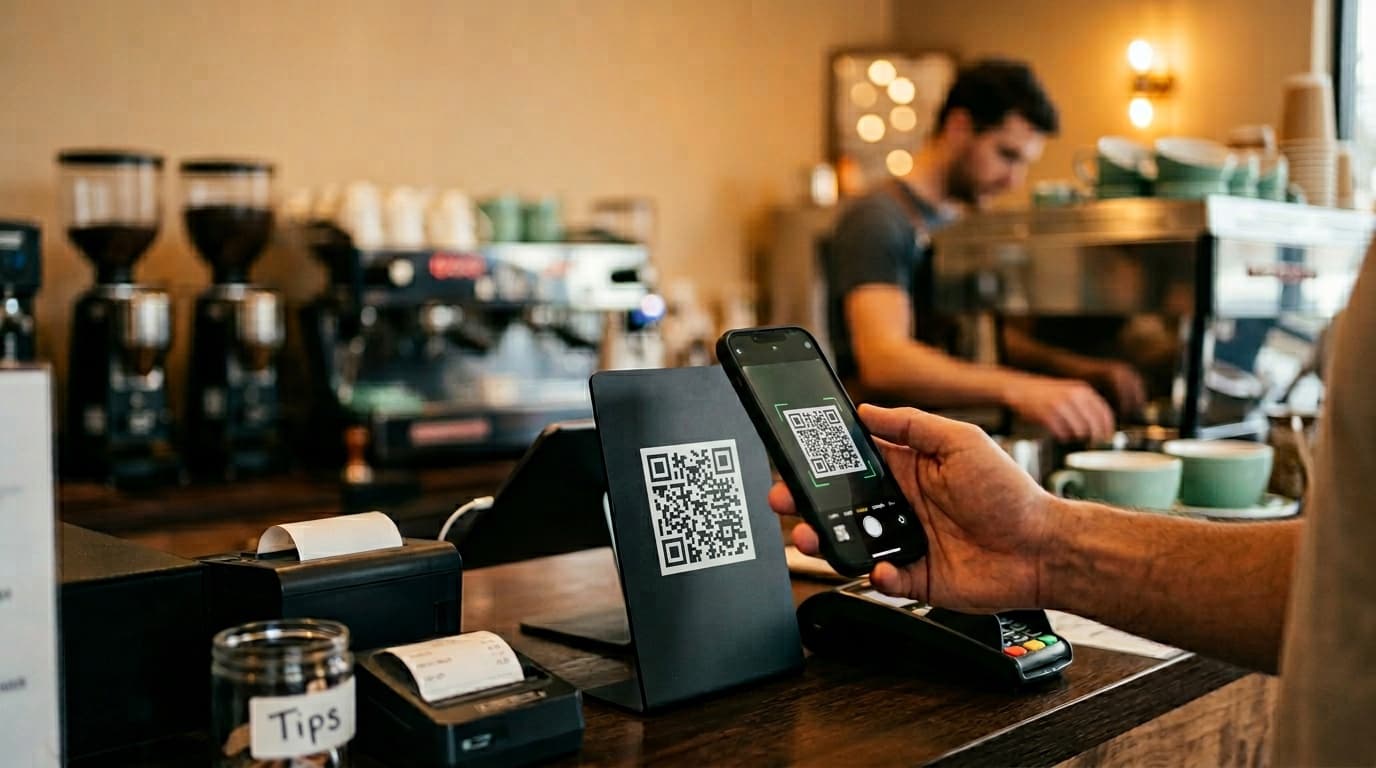
2. Use a QR Code Placed Strategically, Not Generically
Every table having a QR code tent card is better than nothing, but the most effective placements in seafood restaurants are:
- On the seafood platter itself — a small card tucked alongside the lemon wedges and the crackers, so it's visible at the moment of first contact with the dish.
- On the check presenter — with a handwritten note from the server: "Tonight's catch: [today's specials]. If you loved it, this QR code goes to our Google page."
- Near the fish counter or display case — where guests are already pausing, looking, and thinking about quality.
The goal is to associate the review request with the freshness and occasion feeling — not with payment, which has a subtly transactional energy.
3. Make Seasonal Specials Your Review Bait
Seafood menus change with the seasons. Oyster season, langoustine season, sea bass runs — these moments create natural peaks in guest excitement and conversation. Guests who come specifically for your Saint-Jacques en saison or your summer crab special are more engaged than your regular Tuesday diners.
Create a review collection mini-campaign around each seasonal launch. Brief your team: "We're serving the first langoustines of the season tonight. Ask every table that orders them to share their experience on Google." Combine this with a QR code on the seasonal insert menu.
This approach works because it gives guests a specific reason to review beyond "the food was good." They're documenting a seasonal experience with genuine excitement.
4. Gamify the Review Request
The single most effective conversion lift for review collection comes from gamification — and seafood restaurants are particularly well-positioned to use it.
A fortune wheel experience (like the one Ludofy powers) transforms what would otherwise be a transactional ask into a moment of delight. After their meal, guests scan a QR code, spin a digital wheel, and have a chance to win something — a free dessert, a glass of wine on their next visit, a 10% discount on the plateau de fruits de mer.
The key insight: the review is requested as part of the spin, not after it. Guests complete the review to unlock the spin, which creates a natural and non-coercive flow. The gamification removes the awkwardness of the ask entirely — "Would you like to spin our wheel?" is a completely different conversation opener than "Could you leave us a Google review?"
Seafood restaurants using gamified review flows report 3x to 5x higher review conversion rates compared to passive QR code placements.
5. Respond to Every Review — Especially the Freshness Complaints
Negative reviews in the seafood category almost always cluster around two themes: price and freshness. Your response strategy for both should be standardized but personalized in tone.
For freshness complaints, respond promptly and specifically: acknowledge the issue, explain your sourcing process without being defensive, and invite them back. A response that demonstrates genuine knowledge of your supply chain — "Our oysters arrive from [specific region] every Thursday morning at 6am; I'm genuinely sorry this experience didn't reflect that" — does more for your reputation than a generic apology.
Responding to reviews also signals to Google's algorithm that you are an actively managed business, which contributes positively to local ranking. Studies show that restaurants that respond to more than 60% of their reviews rank significantly higher in local search than those that don't.
Building a Review System for the Long Term
Individual tactics produce spikes. What separates a 4.2-rated seafood restaurant from a 4.8-rated one over twelve months isn't one great campaign — it's a consistent system that operates quietly every shift.
Here's what that system looks like in practice:
- Morning briefing — The manager identifies which tables the previous night generated positive verbal feedback. That information is used to coach the team on what's working.
- Mid-shift prompt — One designated team member is responsible for checking whether the review count has increased since opening. If not, they gently remind the floor team.
- End-of-week review — The manager reviews the week's new reviews, identifies any recurring themes (positive or negative), and updates team training accordingly.
- Seasonal peaks — Review targets are set for major seasonal moments (summer season, Christmas, Valentine's Day) and tracked as a KPI alongside covers served and average spend.
The Ludofy Difference for Seafood Restaurants
Seafood restaurants that have deployed Ludofy's gamified review platform consistently report not just higher review volumes but higher average ratings. The reason is behavioral: when guests associate the review request with a moment of delight (the spin, the potential win), they're writing reviews in a positive emotional state — which comes through in the content and the star rating.
For a restaurant category defined by exceptional experiences at a premium price point, ensuring that the emotion of the meal carries into the review is not a nice-to-have. It's the difference between a 4.3 and a 4.8, and a 4.8 in seafood is worth a full table of additional covers every Friday night.
The freshest fish deserves the freshest reviews. Set up your system today, and your Google listing will start reflecting the reality your guests already know.