Spanish restaurants and tapas bars operate in one of the most social dining formats that exists. Guests share plates, linger over pitchers of sangria, and experience the meal as a group event rather than an individual order. That social dynamic is an enormous untapped asset for Google review collection — and most Spanish restaurant owners never use it.
If you run a Spanish restaurant, a tapas bar, or a pintxos concept, this guide will show you how to build a review strategy tailored to your format, your clientele, and the specific moments that make tapas dining memorable.
Why Google Reviews Matter Especially for Tapas Bars
Spanish restaurants sit in a competitive market. In any mid-sized city, diners choosing a dinner venue for a group night out will scan Google Maps for options. With group dining — the natural setting for tapas — multiple people are involved in the decision. And group dinners drive significantly more Google searches than solo meals.
The good news: group dinners also generate more reviews per table, because multiple guests share the same experience. A table of six at a tapas bar has six potential reviewers who all tried the same patatas bravas, the same croquetas, the same homemade sangria. When one person pulls out their phone to review, it often prompts others to do the same.
The challenge: group dining also means the moment passes quickly. The bottle is empty, the cheque is split, and everyone is out the door before the review impulse converts into an actual review. That gap between intention and action is where most tapas bars lose reviews.
The Best Moments to Capture Reviews in a Spanish Restaurant
Timing matters in every restaurant, but it matters especially in a tapas environment where the pacing is non-linear. Here are the highest-converting moments:
At the end of the final plate, before the bill arrives. This is the natural peak of the experience — guests have just finished their last patatas or last anchoa and the conversation is still flowing. This is the ideal moment for a team member to mention the review QR code on the table or on the receipt.
When presenting the bill. A bill folder or receipt sleeve with a QR code is standard practice in well-run restaurants. For tapas bars, consider including a small card that says "If you loved the croquetas, we'd love to read about it" — something specific, not generic. The specificity triggers the memory and makes the review easier to write.
When a guest takes a photo of the food. Tapas is highly visual. The small plates, the colorful garnishes, the communal presentation — guests naturally photograph it. When a team member sees someone photographing a dish, that's a golden moment to mention that you'd love to see the photo in a Google review as well.
What Great Reviews Look Like for a Tapas Bar
Understanding what makes a good review for your type of restaurant helps you prompt guests in the right direction. For Spanish restaurants, the best reviews tend to mention:
- Specific dishes — croquetas de jamón, pimientos de padrón, gambas al ajillo, pan con tomate, the tortilla, the vermouth selection
- The atmosphere — noise level, lighting, the communal feel, the music
- The service style — how knowledgeable the team was about the food, the wine, the regional origins
- Group experience — reviews that mention "came with six friends" or "perfect for a group birthday" are gold for a tapas bar because they set expectations for the right kind of diner
When prompting guests, you can gently guide them: "If you have a moment, we'd love to read what your table thought of the food tonight." The word "table" nudges them to write a review that captures the group experience rather than a generic one-liner.
Handling Reviews Specific to Spanish Restaurants
Tapas bars attract some specific types of feedback that you'll see regularly in your reviews. Knowing how to respond well to each one protects your reputation and attracts the right clientele.
"The portions were small." This is the most common critique of a tapas model, and it comes from guests who expected main-course-sized plates. Acknowledge the concern without being defensive, and use the response as an opportunity to explain the concept: "Thank you for your feedback, Mark. Tapas are designed to be shared — four to six plates for two guests is typically the right balance. We appreciate you helping us clarify this for future diners."
"It was too loud." Spanish restaurants often have an energetic atmosphere by design. In your response, you can frame this as part of the character: "Thank you for the visit, Emma. We're a lively spot — many guests love the energy, though we understand it's not for everyone. Our terrace tends to be quieter if you'd like to try us again."
"We had to wait a while between dishes." Tapas kitchens send dishes as they're ready, which can feel uneven if guests don't expect it. Respond by thanking them and noting that the pacing is part of the shared dining experience, while inviting them back.
The goal of every response isn't just to address the reviewer — it's to show future guests who read your profile that your team is thoughtful, professional, and confident in their concept.
QR Code Strategy for Tapas Environments
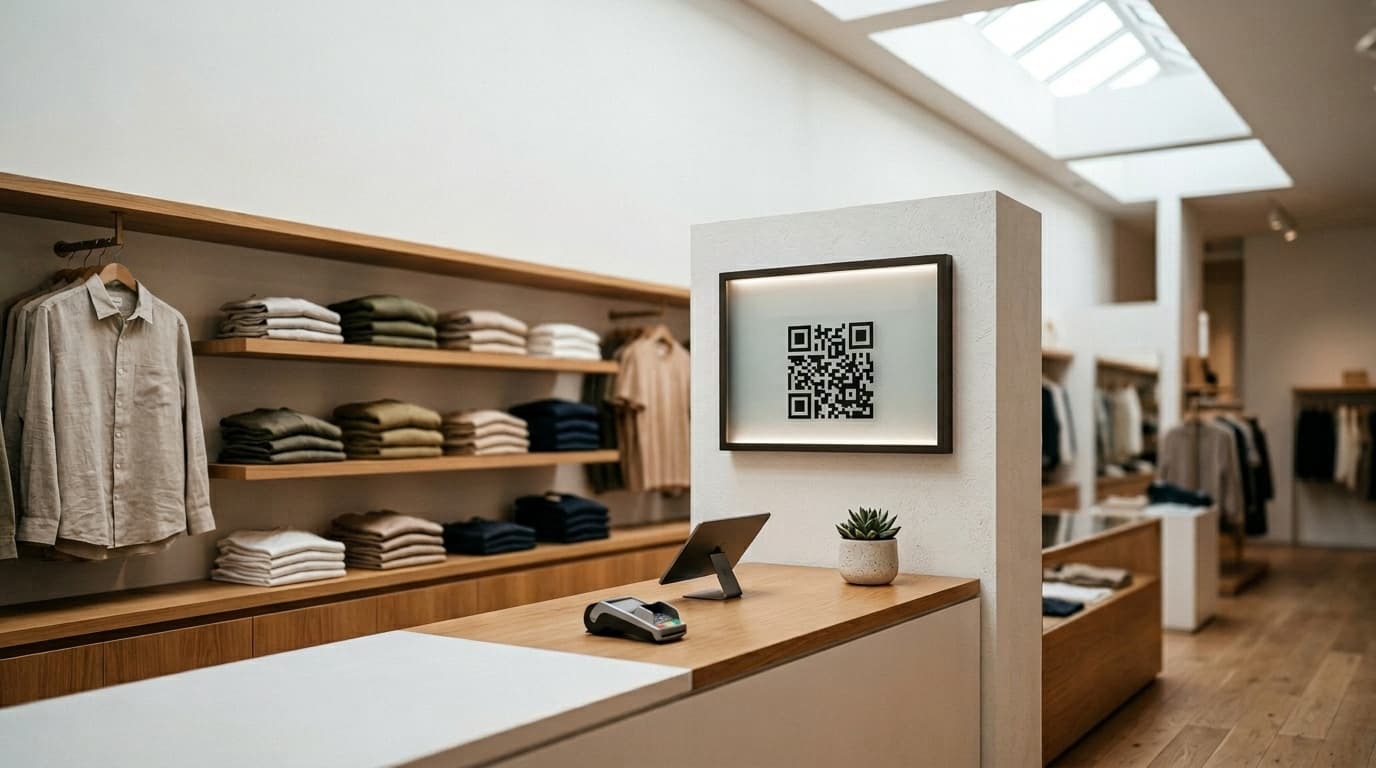
The layout of a tapas bar is different from a traditional sit-down restaurant. You may have a mix of table seating, bar seating, and standing high tables. Each needs a slightly different approach to QR code placement.
Table seating: A small tent card on each table with a QR code and a simple message is the highest-converting placement. Keep it bilingual if you serve international guests — "Leave us a Google review / Déjanos una reseña en Google."
Bar seating: A counter card next to the tapas display works well. Many bar guests are waiting for their drinks or waiting for a table — that two-minute window is perfect for a quick review.
High tables / standing: A card clipped to the edge of the table, or a small poster at eye level near the payment area, ensures coverage even in informal seating.
On the bill: A receipt sleeve with a QR code and a "Thank you" message should be standard regardless of seating type. This catches guests at the clearest natural review moment — the moment they're paying.
Building a Review Flywheel That Fits Your Concept
For Spanish restaurants, the review flywheel is particularly powerful because of the social multiplier. Each group review attracts more group diners, who generate more reviews, who attract more groups. The challenge is getting enough initial velocity to make the flywheel self-sustaining.
This is where tools like Ludofy create a structural advantage. By deploying a QR-code-activated fortune wheel at the moment of payment, Ludofy turns the review request into a brief, gamified interaction — something a table of friends can participate in together as the bill arrives. The game element suits a tapas environment perfectly: sharing food, sharing the spin. The result is a consistently higher review conversion rate than passive QR codes alone achieve.
Spanish restaurants and tapas bars that build a systematic approach to reviews outrank competitors even when the food quality is similar. The social, group-oriented nature of tapas dining means your review strategy can grow faster than almost any other restaurant format — if you have the right trigger in place.
Start with the moment of payment. Add the right QR placement for your seating layout. Train your team on the one-line ask that fits your brand. And let the social energy of the tapas experience do the rest.