You run a club that members genuinely love. The courts are in excellent shape, the instructors know their craft, and the post-match atmosphere keeps people coming back year after year. Your retention rate tells the story.
Yet when someone new to the neighborhood searches "padel court near me" or "tennis club [your city]" on Google, they see three or four competitors before they see you — some with inferior facilities — because those clubs have 200+ reviews and you have 41.
This is not a reflection of your club's quality. It's a reflection of a mechanical gap that's entirely fixable.
Why sports and leisure clubs chronically underperform on Google Reviews
The loyalty that defines a great sports club is also the reason it struggles to accumulate reviews. Long-term members have no reference point for what exceptional looks like — to them, your club is the baseline. They've never thought to leave a review because they've never thought about the club in comparative terms. It's just where they play.
First-time and occasional visitors are your highest-value reviewers — but the window to capture them is extremely short. They show up, play, leave, and within twenty minutes they're thinking about something else. Without an active capture mechanism at the right moment, that review never gets written.
There's also a social dynamic unique to sports environments. Staff feel awkward asking members for reviews in a setting defined by shared passion rather than commercial transaction. Coaches don't want to blur the relationship. Front desk staff assume management has a system. Management assumes the staff are handling it. Nobody asks. Nobody reviews.
The result: clubs that have been operating for a decade often sit at 50–70 total reviews, when a neighborhood restaurant running a basic review strategy will accumulate that in two months.
The five best moments to capture a review at a sports club
The solution isn't asking harder — it's asking at the right moments with the right mechanism in place.
After a lesson or private session. The member has just invested time and money in their game, received coaching feedback, and — assuming a good session — experienced visible progress. The emotional window is fully open. A QR code on the table where the post-session debrief happens, or printed on the instructor's business card, converts that peak moment into a review without any verbal request.
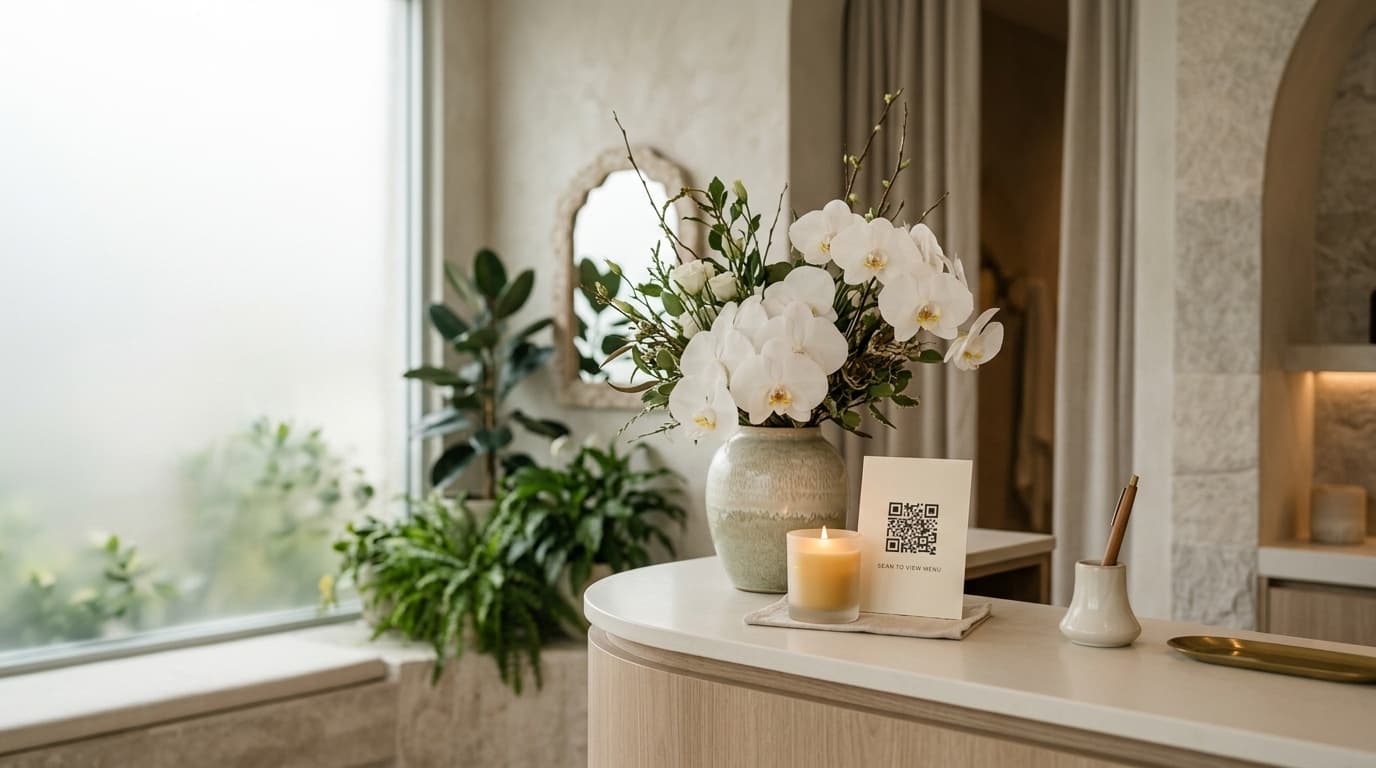
At the bar or clubhouse area post-match. This is the social peak of a sports club experience. Players are relaxed, slightly euphoric from the match, and naturally talkative. A QR code on every bar table, integrated into a simple card stand, invites action without interrupting the flow of the conversation. No one needs to say anything.
When renewing a membership. A member who renews at the desk has just made a deliberate choice to stay. They're demonstrably satisfied — the proof is in their payment. This is the natural moment for a single, low-pressure ask: "If you have a moment, a Google review makes a real difference for us."
After a club tournament or event. High-emotion, memorable days generate high-quality reviews. A follow-up message with a direct review link, sent via SMS or WhatsApp to all participants within 24 hours of the event, captures that emotional peak before it fades.
During onboarding for new members. Someone who just signed up for their first membership has processed all the friction of joining and committed anyway. That decision-making moment is one of the highest-satisfaction points in the customer journey. A QR code on the welcome packet is a natural fit that feels like an invitation, not a request.
QR code placement for sports venues
Unlike a restaurant where one or two placements cover most of the traffic flow, a sports club requires a multi-point approach. Members move through several distinct areas in a single visit:
- Reception and check-in desk — captures all members and visitors at entry and exit
- Bar and lounge tables — reaches post-match groups during the social window
- Locker room entrances (external walls, not inside) — a natural pause point before and after play
- Lesson booking confirmation messages — a digital touchpoint that reaches members on their phones before they arrive
The goal is gentle omnipresence — the QR code is always visible without ever being pushed. The system does the asking so the staff don't have to.
Why gamification is a natural fit for sports clubs
Athletes are wired for variable rewards. The psychology that makes sports compelling — effort, uncertainty, outcome — is the same psychology that makes a fortune wheel effective. When you invite a padel player or golfer to scan a QR code for a chance to spin a wheel, you're speaking a language they already understand at a behavioral level.
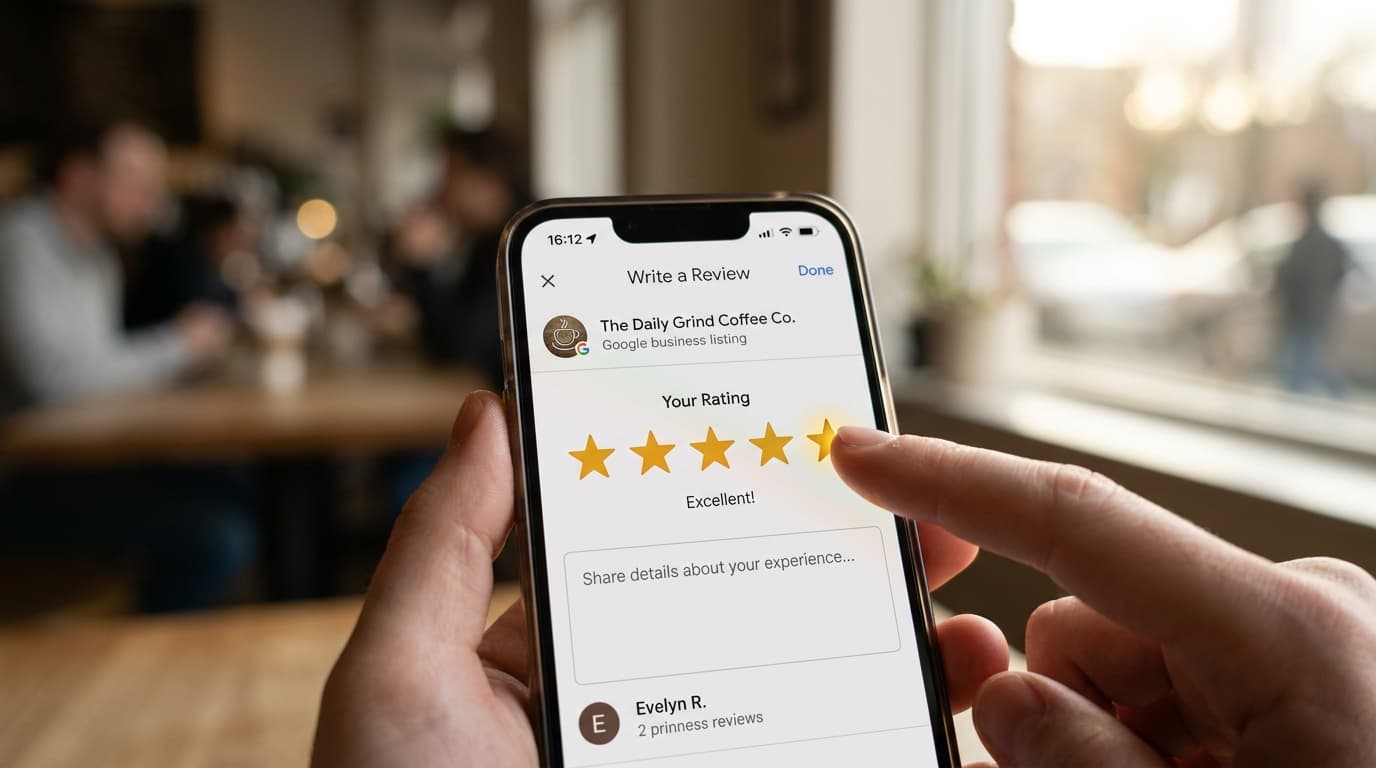
The practical design: the member leaves their Google review first (freely written, no editorial guidance from your side), then spins the wheel to discover what they've won. Prize structures that work well for sports clubs:
- One free court hour — high perceived value, manageable cost when scheduled during off-peak slots
- A complimentary drink at the bar — keeps the member in the social space longer and increases bar revenue
- A guest pass to bring a friend — generates a new prospect at zero acquisition cost
- A discount on their next booking — drives repeat visits and builds habit
- Access to a group lesson or intensive program — a natural upsell for members who were already considering it
The variable outcome is not incidental — it's the core mechanic. Fixed rewards produce predictable, moderate engagement. Variable rewards produce genuine excitement that drives participation rates 5–10x higher than direct verbal requests. The same competitive instinct that keeps a player returning to improve their backhand makes them curious about what's behind the next wheel spin.
The local SEO impact for sports clubs
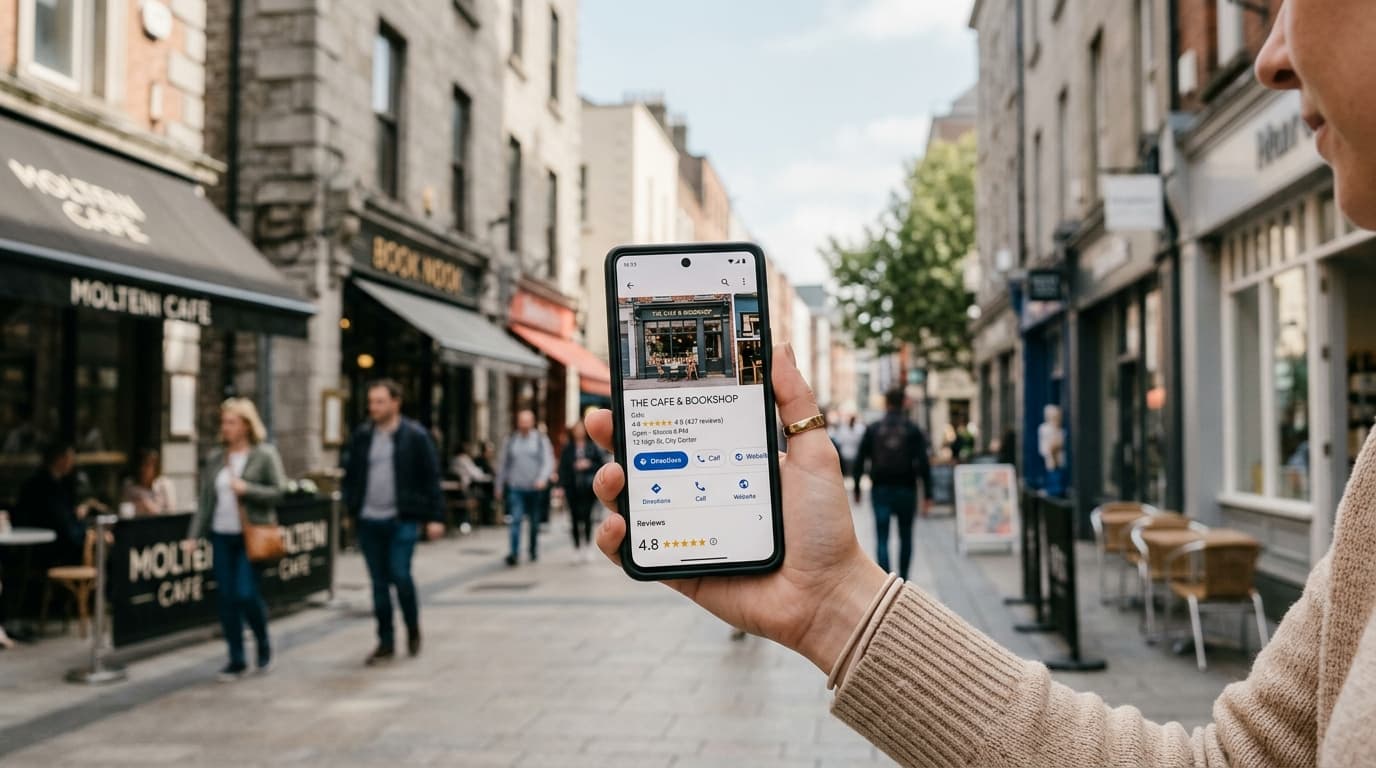
Google's local ranking algorithm factors in review volume, recency, and rating quality. A club with 280 reviews and a 4.7 rating — with 15 new reviews in the past 30 days — consistently outranks a competitor with a 4.9 but only 60 total reviews, with the last one written three months ago.
This matters because "padel court [city]", "tennis club near me", and "golf course [neighborhood]" are high-intent commercial searches. People who type these queries are actively looking to book a session or join a club. Ranking in the top three results on Google Maps for your category can triple the number of trial memberships you generate — without a single additional dollar in advertising spend.
The compounding effect is significant. A sports club that runs a consistent gamified review program typically moves from the second page of local results to the top three positions within four to six months. That structural shift in visibility compounds over time: more visibility generates more first-time visits, which generates more reviews, which improves ranking further. After twelve months, the gap between a club running this system and one relying on organic word-of-mouth is almost impossible to close quickly.
Setting up the system
The implementation is lighter than most club managers expect.
Three to five QR code touchpoints cover most of the traffic: reception desk, bar tables, locker room entrance, welcome packet for new members. These positions achieve visible presence without ever being intrusive.
A two-minute team brief replaces any forced scripting. A single natural phrase — "we have a little game for members if you want a shot at something free" — is all that's needed, delivered as a genuine invitation rather than a process to complete.
Prizes calibrated to your economics keep the system sustainable. A free slot during off-peak hours costs you almost nothing but registers as significant value for the member. A house coffee at the bar drives exactly the kind of post-match dwell time you want anyway.
The system operates autonomously from there. Each week, new reviews accumulate, the rating stabilizes higher, and your Google Maps visibility grows organically. The work is in the setup — not in the ongoing operation.
Ludofy is built for exactly this kind of operation: a fully customizable digital fortune wheel activated by QR code at any location you choose, with a simple dashboard that tracks weekly review volume and rating trends. Setup takes under an hour, and the first reviews typically arrive within 24–48 hours of going live.
If your club delivers great experiences but Google Maps doesn't reflect it yet, the fix is mechanical, not qualitative. Get the system in place, and the visibility follows.