Sushi restaurants occupy a particular position in the local dining landscape. Guests arrive with high expectations — freshness, precision, authenticity — and they are not shy about voicing their opinions online. A single negative comment about warm fish or rice that's too sticky can haunt your listing for months.
But here's the reality: the sushi restaurants dominating local Google Maps results aren't necessarily serving the best omakase in town. They're the ones who have mastered the art of review collection — consistently, at scale, and without alienating their guests.
This guide walks you through exactly how to build a 4.8+ Google rating for your sushi or Japanese restaurant, even if you're starting from scratch.
Why Google Reviews Hit Harder for Sushi Restaurants
The stakes for online reputation are higher in Japanese cuisine than in almost any other restaurant category. Here's why:
Price sensitivity meets high expectations. When a customer pays $22 for a salmon tartare or $80 for a tasting menu, their internal critic is already switched on before the first bite. Any disappointment — a soggy roll, a slow server, a crowded waiting area — gets magnified in the review they leave.
Authenticity is constantly debated. Unlike Italian or French cuisine, where diners often can't distinguish "authentic" from "adapted," sushi guests frequently consider themselves connoisseurs. Reviews questioning whether your chef trained in Japan, whether you use frozen fish, or whether your soy sauce is imported are common and difficult to address retroactively.
The visual nature of the cuisine works in your favor — if you use it. Sushi is inherently photogenic, which means guests want to share their experience. On Instagram, yes, but also in Google reviews with photos. That organic sharing impulse is an asset you can redirect.
Delivery platforms dilute your Google reputation. Many sushi restaurants depend heavily on delivery apps, where reviews stay siloed in closed ecosystems. Every order that earns a 5-star rating on those platforms is a missed Google review. The asymmetry compounds over time.
The Best Moment to Ask — and Why Most Restaurants Get It Wrong
Most restaurants ask for a review at checkout, when the guest is already mentally halfway out the door. The bill is in hand, the coat is on, the taxi is ordered. Review request conversion at that point rarely exceeds 5%.
In a sushi restaurant, two windows consistently perform better:
After a standout dish lands. If you serve a course-by-course omakase or a chef's special, train your team to watch for the moment of delight — when a customer photographs a dish, exclaims to their companion, or calls the server back to ask what's in it. That's when a light, conversational review request lands well: "We'd love to know what you think if you feel like sharing on Google."
At the end of service, before the bill. When the last dish is cleared and the table is relaxed, place a small QR code card alongside the complimentary tea or digestif. You're still in the hospitality moment; the financial transaction hasn't started yet. The contrast between a gesture of generosity and a review request is entirely in your favor.
A QR Code Strategy Built for the Sushi Experience
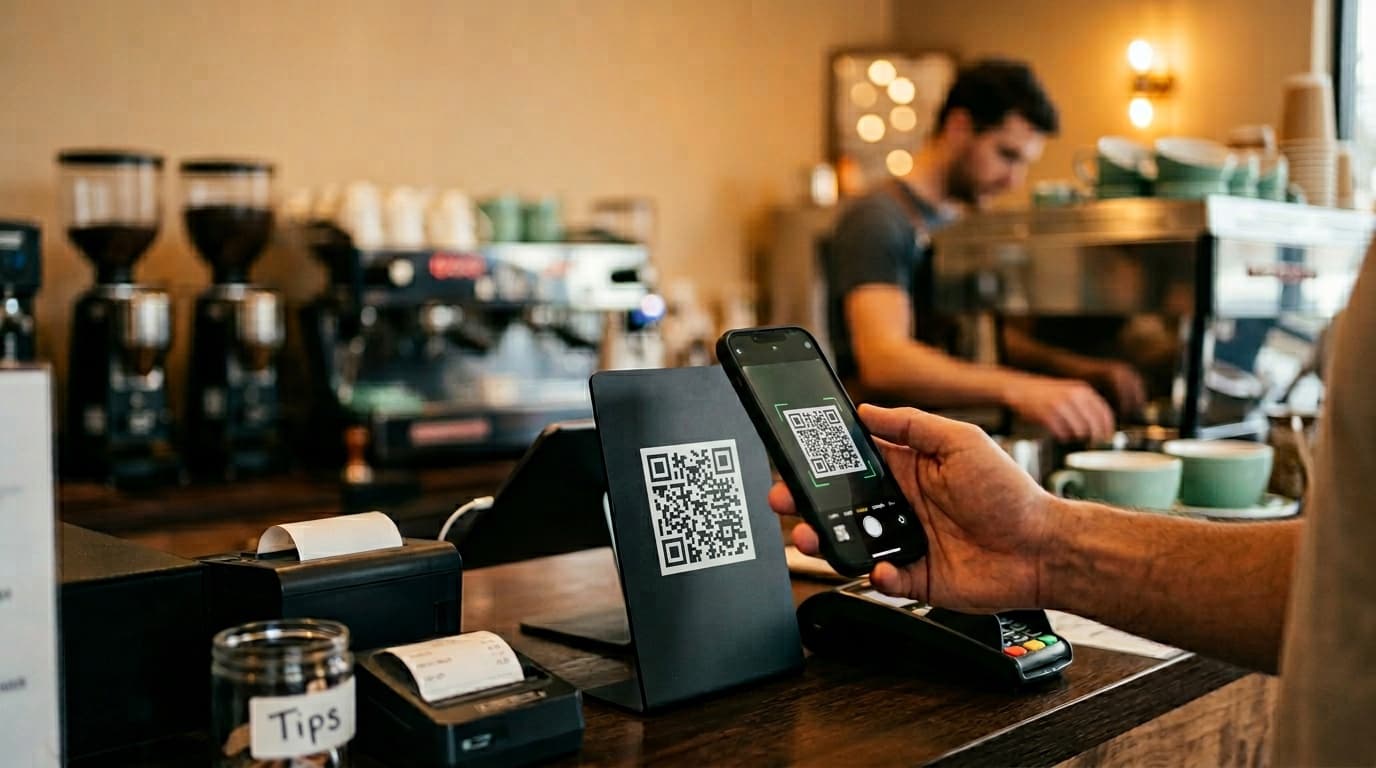
A well-placed QR code is your most efficient review collection tool. Here's how to integrate it naturally in a Japanese restaurant:
QR code cards inside the menu. Insert a small, elegantly designed card inside the menu folder for set menus and tasting menus. "Rate your experience" with a QR code linking directly to your Google review form requires no verbal request at all.
QR codes alongside the soy sauce dish. Some Japanese restaurants place a small branded card next to the soy sauce dish and chopstick rest. It's subtle, unobtrusive, and captures guests during the dining experience when their phones are already in hand.
Branded takeaway packaging. If you offer bento boxes or weekend sushi platters for takeaway, include a QR code on the packaging with a simple message: "Loved it? Share your thoughts on Google."
Staff-driven distribution. Train servers to hand QR code cards proactively to tables that showed visible signs of satisfaction — lively conversation with the chef, photographs of dishes, clean plates, requests for recommendations. Remove the guesswork by making this a checklist step.
How Gamification Turns Hesitant Diners into Enthusiastic Reviewers
Here's the uncomfortable truth: most customers who had a great experience at your sushi restaurant won't leave a review — not because they don't want to, but because the activation energy required is just too high. Opening Google, finding your listing, writing something worth publishing — it all happens later, when the motivation is gone.
Gamification removes that friction while adding a memorable layer to the checkout experience.
The model is simple: after a meal, invite guests to scan a QR code to spin a digital fortune wheel. In exchange for leaving a Google review, they unlock a prize — a discount on their next visit, a complimentary piece of premium nigiri, a sake tasting, or priority booking access. The spin creates anticipation. The prize creates a reason to come back.
This approach consistently outperforms traditional review requests by 5 to 10x in conversion rate. The psychology behind it is well-established: reciprocity (you gave them something), dopamine (they won something), and the feeling of being treated as a VIP rather than a data point.
For sushi restaurants specifically, prizes that convert well include:
- A complimentary piece of premium nigiri on the next visit (salmon roe, sea urchin)
- 10–15% off the next omakase or tasting menu reservation
- A free miso soup or edamame on the next takeaway order
- Priority access to chef's table or counter seating
The key is keeping prizes relevant to the dining experience itself — it reinforces why they're coming back, not just giving them a generic discount.
Responding to Negative Reviews: The Sushi-Specific Playbook
No review strategy is complete without a response framework for criticism. In sushi restaurants, the most common negative reviews fall into predictable categories:
"The fish wasn't fresh." Never get defensive. Respond calmly: "We take freshness extremely seriously — our fish arrives daily from carefully selected suppliers. We're genuinely sorry this wasn't your experience and would like to understand what happened. Please feel free to contact us directly."
"The rice was too dry / too sticky / not right." Sushi rice is one of the most debated topics in online reviews — preferences genuinely vary. Respond gently: "Our sushi rice follows a traditional preparation method we've refined over many years. Taste is personal, and we'd love to welcome you back to try our chef's current seasonal preparation."
"Too expensive for what it is." This stings, but it's an opportunity to articulate your value. "We work with premium-grade ingredients, including suppliers focused on sustainable sourcing and quality over volume. We understand this comes at a price point that isn't for everyone, and we appreciate your honest feedback."
"The wait was too long." This is operational feedback — use it publicly. "You're right — on busy evenings our kitchen can struggle with timing. We're actively working on this and appreciate you flagging it. We hope to give you a better experience on a quieter night."
Responding to every review — positive and negative — within 48 hours signals to Google's algorithm that your business is active and engaged, which contributes directly to local ranking. It also demonstrates to prospective guests that you take feedback seriously, which increases the perceived trustworthiness of even a 4.7 rating over a silent 4.9.
Building a Review System That Runs Consistently
The difference between a sushi restaurant with 50 reviews and one with 500 reviews isn't quality — it's consistency. Review collection needs to become a standard operating procedure, not something you remember to do when business is slow.
Concrete steps to systematize the process:
- Add review request to server close-out checklists (a card handed to each satisfied table before the bill)
- Rotate QR code cards at tables every two weeks to keep them crisp and visible
- Track review volume weekly alongside revenue, covers, and no-shows
- Celebrate team milestones when the rating improves — make it a shared win
Ludofy makes this entire system deployable in an afternoon. Create a branded digital fortune wheel, link it to your Google listing, generate a QR code, print it, and you're live. Business owners using the system report collecting 3 to 5 times more Google reviews in the first month of use — without a single awkward "please review us" conversation at checkout.
The sushi restaurants winning on Google Maps aren't necessarily the ones with the most talented chefs. They're the ones who have turned every table into a reputation opportunity — systematically, elegantly, and with a touch of fun that guests actually remember.