Star ratings matter. Written reviews matter. But there's a third type of customer content that's quietly becoming the most persuasive asset on a local business's Google profile — and most owners haven't even registered it exists.
Video reviews on Google Maps.
Customers can attach short video clips to their reviews, showcasing your food, atmosphere, service, or space in real time. The clips appear in your Google Business Profile's media gallery, visible to anyone who searches your business. Most businesses have no idea this feature exists, let alone actively encourage it. That gap is exactly where the opportunity sits.
What video reviews on Google actually are
When a customer leaves a Google review, they have the option to add photos and short video clips alongside their written text. These videos appear in the media section of your Google Business Profile — visible to every potential customer who searches your business on Google Maps or Google Search.
The videos can show anything the customer chooses to capture: the presentation of a dish at the table, the view from a hotel room, the atmosphere in a salon, the layout of a retail store. They're typically short — anywhere from a few seconds to around thirty seconds — and shot on smartphones.
From a technical standpoint, they're indexed alongside your other media. From a psychological standpoint, they're something categorically different.
Why video reviews convert better than written reviews alone
The difference isn't cosmetic — it's behavioral.
The brain processes video as experience, not information. When a prospective customer watches a ten-second clip of someone's meal at your restaurant, they're not reading a description — they're mentally simulating the experience. They hear the ambient noise. They see the table, the lighting, the other diners. That simulation generates emotional engagement that even well-written text rarely achieves.
User-generated video is almost impossible to fake convincingly. Fake written reviews are widespread — consumers know it and have learned to discount accordingly. A shaky smartphone clip shot inside your venue by a real customer is a fundamentally different category of evidence. The authenticity is visible in its imperfections: the slightly unsteady hand, the ambient background noise, the natural framing. That's precisely what makes it persuasive.
Video attracts the most committed buyers. People who scroll through a business's photo and video gallery are already interested — they're in the final evaluation phase before making a decision. These are the prospects you most need to convince, and video does it more efficiently than additional written reviews at that moment.
Research into user-generated content consistently shows that UGC video increases conversion rates by 20 to 40 percent compared to static content alone on product pages and local business listings. The mechanism is the same whether you're selling electronics or a dinner reservation: authentic video from real customers reduces purchase anxiety precisely when it's highest.
Which businesses benefit most from video reviews
In principle, any business with a visual or experiential dimension benefits. In practice, some sectors see disproportionate returns.
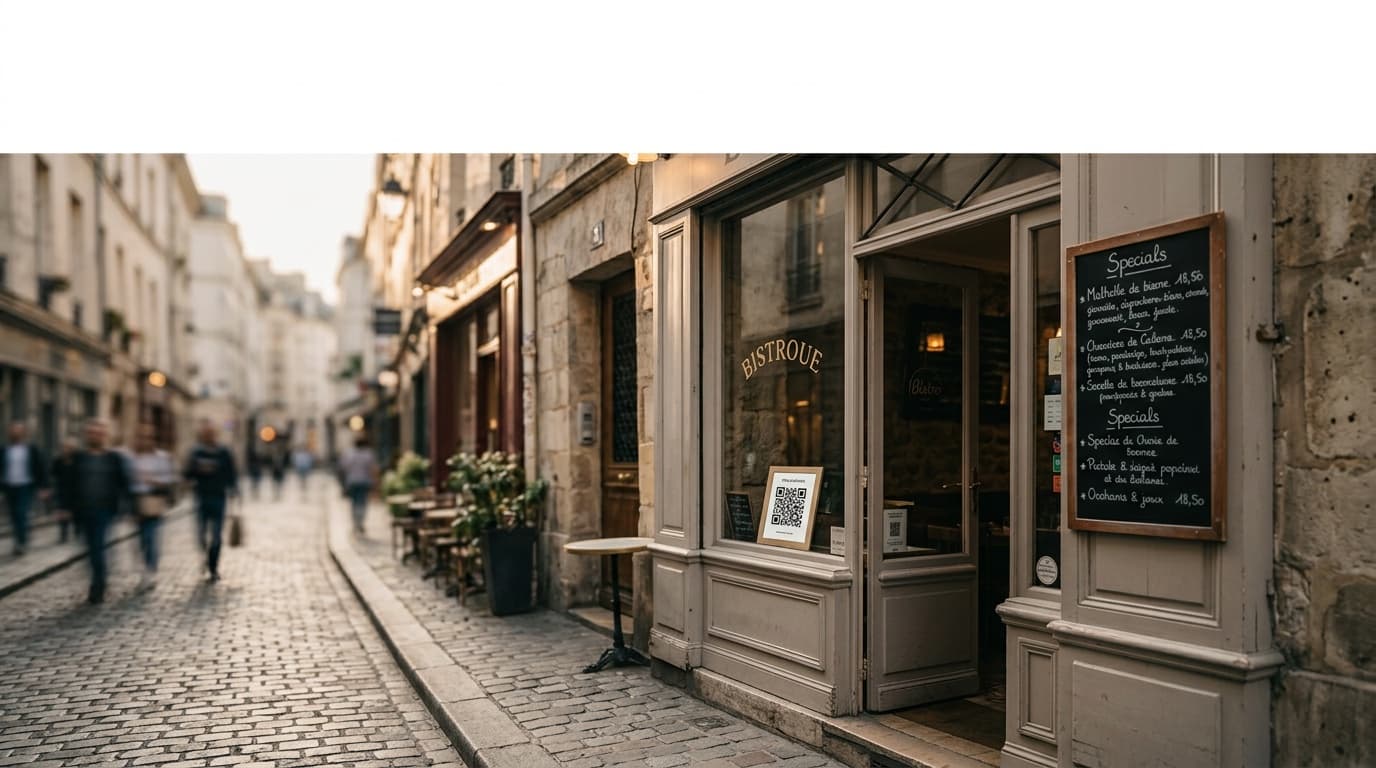
Restaurants and cafés. The presentation of a dish, the bar scene on a Friday evening, the terrace during summer — all naturally compelling to capture on video. A customer who films their cocktail and attaches it to their Google review enriches your profile with content you couldn't produce more authentically if you tried.
Hair salons, beauty institutes, and nail salons. The transformation — before and after — is inherently visual. A client filming the result of a treatment and sharing it as a review is simultaneously social proof of your skill and organic marketing content.
Hotels and guesthouses. A sunrise from the balcony, the pool area at midday, the texture of a breakfast spread — short clips communicate what professional photos sometimes can't: what it actually feels like to be there.
Experience and leisure venues. Escape rooms, fitness studios, climbing gyms, dance studios, sports clubs — the energy and atmosphere of these spaces translates powerfully into brief video. A clip capturing the atmosphere during a class communicates in ten seconds what ten paragraphs of text struggle to convey.
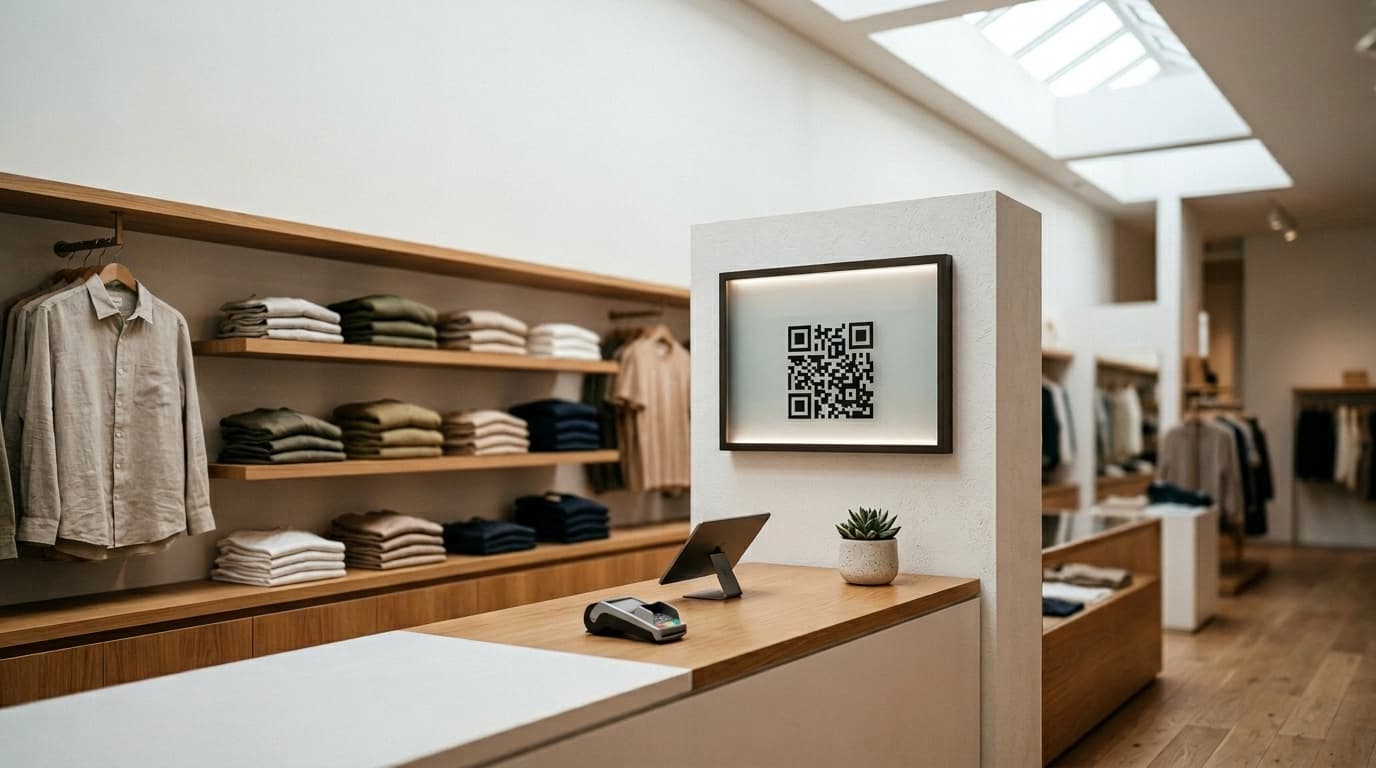
Specialty retail and boutiques. The layout of a carefully curated shop, the quality of a product being handled, the texture of materials on display — video communicates sensory qualities that written text never quite reaches.
Creating the conditions where customers want to film
You can't require someone to post a video. But you can design an environment where the impulse to film arises naturally, without prompting.
Invest in visual moments. The presentation of a dish at the table, a well-lit product display, seasonal window decoration, branded packaging — each of these is a potential trigger for spontaneous documentation. A customer who says "this is too good not to share" is seconds away from opening their camera.
Think carefully about lighting. Dim ambient lighting that creates atmosphere for diners often films poorly. A few targeted adjustments — warm pendant lighting over key table areas, natural light near product displays, good overhead lighting in treatment rooms — can transform a mediocre filming environment into a compelling one without disrupting the overall ambiance.
Build in memorable visual elements. A distinctive mural, a carefully crafted dessert presentation, branded packaging, an eye-catching seasonal display — these aren't superfluities. They're invitations to spontaneous documentation. The venues that generate the most customer video content have usually thought carefully about these "visual moments" as part of the guest experience itself.
Train your team to suggest it naturally. A single offhand phrase at the right moment is enough to plant the idea without creating pressure: "If you get a video of that before it disappears, it always looks incredible — and it helps us a lot if you add it to your Google review." That's an invitation, not a script. Customers who respond to it do so because they were already inclined.
Reduce the friction between intention and action. A QR code on the table, in the check presenter, or at the counter gives customers an instant path to your Google review page at the moment they're still inside, still emotionally engaged, and still holding their phone.
Integrating video into your review collection system
If you're already using a QR code-based review flow — especially a gamified one with a fortune wheel — you already have the delivery mechanism in place. The one adjustment is in how your team presents it.
The optimal sequence looks like this:
1. The customer finishes their experience and the check arrives (or the service is complete).
2. A team member presents the QR code: "We have a quick game — scan this, leave us a review, and you can win something. A short video alongside it always helps us a lot if you have a second."
3. The customer scans and leaves their review — with video if they're inclined, without if they're not. The video invitation is optional but explicit.
4. They spin the wheel and discover their prize.
Customers who choose to film do so because they want to — and those are exactly the customers whose content is most compelling for the next person who finds your profile on Google. Authenticity is the asset. The system's job is to surface the opportunity; the customer's enthusiasm does the rest.
The long-term effect on your Google profile and local visibility
Google rewards active, media-rich profiles. A business page consistently populated with fresh customer photos and videos signals to Google's algorithm that the venue is engaged, popular, and worth surfacing in local search results.
Over six to twelve months, a business that systematically collects video-enriched reviews builds a gallery that competitors relying on static written content simply can't match quickly. The compounding effect shows up in two measurable places: higher positions in Google's local 3-pack (the three businesses shown first in a local search) and higher click-through rates from the search results page. A preview showing varied, genuine-looking media consistently outperforms a sparse or text-only listing.
There's a secondary benefit worth naming: responding to video reviews (as you would respond to written ones) generates additional activity signals on your profile. A profile where the business owner visibly engages with all types of customer content reads, to both the algorithm and to human searchers, as a business that cares about its customers' experience.
Ludofy is built to generate exactly this kind of review flywheel — a fully customizable digital fortune wheel that activates via QR code at the point of sale, sequences the review before the spin, and tracks participation and new review volume in a straightforward dashboard. Setup takes under fifteen minutes. The first reviews typically arrive within hours of going live.
Video reviews are the next frontier in local social proof. The businesses that start encouraging them now will hold a structural advantage that grows harder to close with every month that passes. The only barrier to entry is knowing it's possible — and building the habit of asking.