If you own a bar, pub, or cocktail lounge, you already know the paradox: your regulars love the place, groups have unforgettable nights, and the atmosphere is exactly what people come out for — but somehow, those five-star experiences never make it to Google. While nearby restaurants rack up hundreds of reviews, your bar stays stuck with a modest tally that doesn't reflect the real energy of what happens inside.
This isn't a quality problem. It's a system problem.
Why Google Reviews Are Non-Negotiable for Bars
Every Friday and Saturday evening, thousands of people open Google Maps and search "bars near me" or "cocktail bars [city]." These aren't idle searches — they're groups of friends, office teams, and couples actively deciding where to spend the next few hours. The bar with 200 five-star reviews and photos of a packed Saturday night will win over the competitor with 40 reviews every single time.
Research from BrightLocal shows that 91% of consumers read online reviews before visiting a local business, and the bar and nightlife sector is no exception. But there's a dynamic unique to bars: the decision is almost always a group one. No one wants to be the person who chose the disappointing venue for the whole group. A strong Google profile removes that social risk and makes your bar the obvious, safe choice.
Beyond discovery, your review profile directly affects your ranking in Maps results. Google's local search algorithm weighs review quantity, freshness, average rating, and consistency of collection. A bar adding 15 reviews per month will steadily outrank a competitor with more total reviews but a stagnant collection rate. Regular reviews signal to Google that your business is active, relevant, and continuously satisfying customers.
Why Bars Struggle More Than Restaurants
Bars face a set of obstacles that restaurants, cafes, and retail stores simply don't encounter:
The social mode problem. Your customers came to disconnect — to talk, laugh, and be present with friends. Asking them to navigate to Google Reviews on their phone feels like an intrusion into that experience. Most won't cross that friction.
The timing problem. The best moment to ask for a review is right after peak satisfaction. At a restaurant, that's after a great meal at bill time. At a bar, peak satisfaction might hit at 11 p.m. — but by closing time it's forgotten, and by morning the impulse is completely gone.
The verbal ask problem. A noisy bar floor makes verbal requests difficult. Bartenders are juggling orders, not holding extended conversations. Customers in a group rarely want to be singled out for a review request in front of everyone.
The negative review skew. On Google, people who had a bad experience are always more motivated to write than people who had a great one. For bars, the most common complaints involve noise levels, long waits, pricing, and service during rush hours — all things that can quietly erode your rating if positive reviews aren't consistently coming in to balance them.
Tactics That Actually Work for Bar Owners
QR Codes in the Right Places
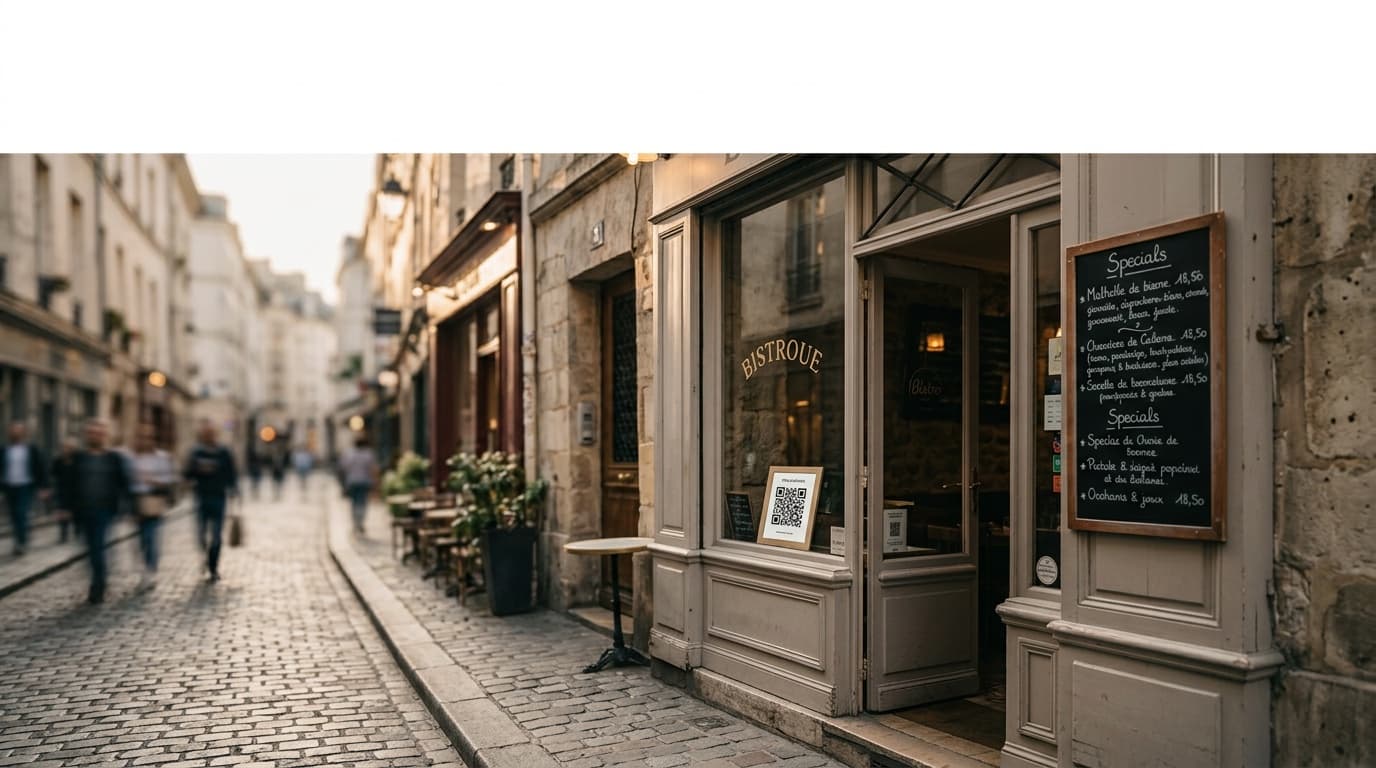
Physical placement matters more in a bar than in almost any other venue type. Skip the poster on the wall — nobody looks at walls at midnight. Put your review QR code where eyes naturally land:
- Coasters. Every table, every bar stool. The code is right there when someone sets down their drink.
- Drink menus. A small QR icon at the bottom of the menu catches attention while customers are already engaged deciding what to order next.
- Receipts. Print a QR code and a brief line — "Loved your night? Leave us a review" — directly on the bill. Customers are already looking at that paper.
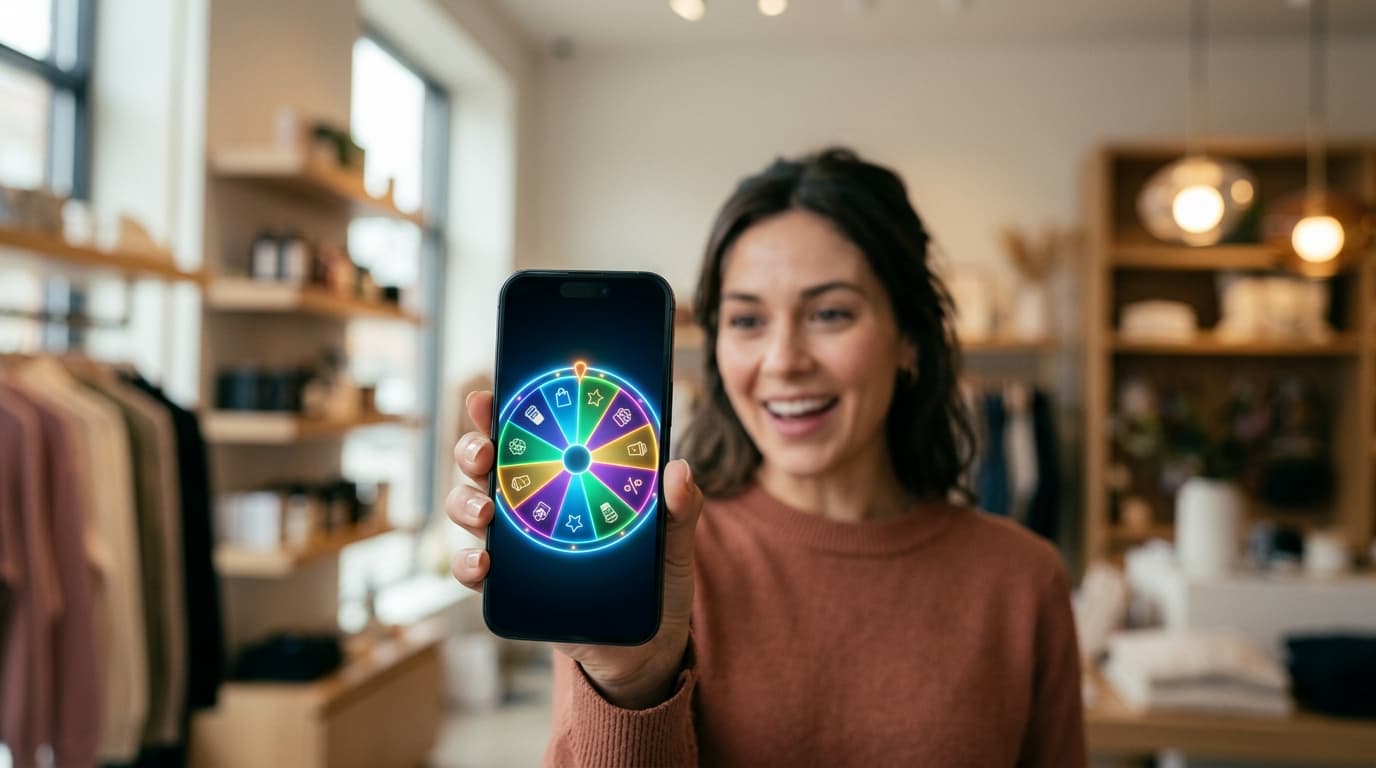
- Table tent cards. For seated areas, a tent card with a fortune wheel prompt works exceptionally well. It invites interaction without requiring a staff ask.
The Payment Moment: Your Highest-Converting Window
When customers close their tab, they're drawing a mental line under the experience. If the night went well, they're at peak satisfaction — and they already have their phone out or are about to. A brief, natural line from the bartender or server — "If you enjoyed tonight, this QR code takes 30 seconds" — lands far better than a cold request mid-drink.
Train your team to make this a consistent habit at every tab close, not just on slow nights when there's more time.
Harness Group Energy
Groups are actually an advantage if you use them correctly. When one person in a group scans the QR code and laughs at the fortune wheel, others get curious. Social contagion kicks in — one review can turn into three. Place QR codes at group tables, and give bartenders a simple line: "If anyone wants to try the wheel, there's a little surprise involved."
WiFi Connection Flow
If your bar offers guest WiFi, add a review prompt to the landing page. Customers connecting to the network are already on their phones — it's a natural moment to surface a gentle review request before they dive into Instagram.
Why Gamification Is the Perfect Fit for Bars
Here's the thing: your bar already is a gamification environment. The atmosphere is playful. Your crowd is there to have fun. A fortune wheel — where customers leave a Google review and spin for a reward — isn't a stretch for bar culture. It's a natural extension of it.
The mechanics are simple: customer leaves a review, staff shows them the QR code linked to a digital fortune wheel, they spin, they win. Rewards can be:
- A free shot or house cocktail
- A discount on their next visit
- Priority entry on a weekend night
- A branded item like a custom cocktail recipe card
The conversion numbers tell the real story. A direct verbal ask in a bar converts roughly 3–5% of customers. A gamified fortune wheel converts 20–30%. The difference is straightforward: playing a game is fun, being asked to do something is work. When you make reviewing part of the fun, barriers disappear.
Optimizing Your Google Business Profile
A strong review strategy needs a solid foundation. Make sure your Google Business Profile is complete and accurate:
- Hours. Late-night bars must have correct closing times. Many profiles still list outdated hours — and a customer who shows up after a listed closing time will leave a negative review before they've even stepped inside.
- Photos. Upload atmosphere photos from actual evenings — not daytime shots with natural light. Show the energy: a packed bar, well-dressed cocktails, the crowd in the middle of a great night.
- Attributes. Use Google's attributes to highlight things like Live music, Outdoor seating, Late night, and Cocktails.
- Respond to every review. For bars, this is critical. A professionally handled response to a noise complaint or a slow-service review demonstrates maturity to future customers who will read your replies as carefully as the reviews themselves.
How Many Reviews Does a Bar Need to Rank?
There's no universal number, but as a working benchmark: in most mid-sized cities, appearing in the top 3 results for "bars near me" requires at least 80–150 reviews with an average above 4.2 stars. In larger cities, the threshold is higher and more competitive.
More important than hitting a target number is consistency. Google rewards bars that collect reviews regularly — 10 per month over 12 months beats 120 reviews collected in a one-month push followed by silence. A consistent cadence signals to the algorithm that your bar is continuously active and satisfying customers. That freshness signal is something no single-burst campaign can replicate.
Build a System, Not a Campaign
The biggest mistake bar owners make is treating reviews as a campaign — running a push for a month, collecting a batch of reviews, then stopping. The velocity drops, the ranking stagnates, and the effort was largely wasted.
Build a permanent system instead:
- QR codes installed on coasters, menus, and receipts — always there, no daily effort required
- A fortune wheel always available at the bar, not just during promotions
- Staff consistently making the ask at payment, regardless of how busy the night was
- A monthly check of your Google profile to respond to all new reviews
Done consistently, this system becomes self-reinforcing. More reviews mean better ranking, which brings in more new customers, who leave more reviews. The flywheel turns on its own once it's set in motion.
Ludofy helps bar and cocktail bar owners build exactly this kind of always-on review system. With a customizable digital fortune wheel, QR code generation, and a dashboard to track your review growth week over week, you can turn every great night into a 5-star rating without adding complexity to an already demanding operation. Set it up once, let it run, and watch your Google profile grow steadily while you focus on what actually matters: making sure the next round is unforgettable.