Fine dining operates on a different register than most hospitality businesses. The stakes are higher, the expectations are calibrated to the last detail, and the clientele tends to be more discerning — and more vocal. A single outstanding Google review can send a reservation wave your way. A poorly managed negative one can sit in your profile like a bad wine, influencing every potential guest who researches you before booking.
Managing Google Reviews for a fine dining restaurant isn't about chasing volume. It's about cultivating the right kind of digital reputation — one that matches what guests experience when they step through your door.
Why Fine Dining Reviews Are Different
When guests book a table at your gastronomic restaurant, they've usually planned the visit. They've chosen you for a birthday dinner, an anniversary, a business deal worth celebrating. They arrive with heightened expectations and, when those expectations are met — or exceeded — they're primed to share the story.
This creates both opportunity and risk.
The upside: Fine dining guests write long, detailed, story-driven reviews. A single well-written review — mentioning the sommelier who suggested an unexpected pairing, the dessert that changed their mind about soufflés, the way the table was quietly rearranged for a surprise — does more for your reputation than ten generic five-star ratings from casual visitors.
The downside: When something falls short in a high-expectation environment, guests feel compelled to explain exactly what disappointed them. Detailed, articulate negative reviews can carry significant weight and linger in your profile for months.
Understanding this dynamic changes how you approach review generation. Your goal isn't to flood the profile with ratings. It's to build a narrative that tells your story through your guests' words.
Elegant Ways to Ask for a Review Without Diminishing the Experience
The most common objection from fine dining operators: "Asking for a review feels commercial. It cheapens the moment." This is a legitimate concern — and it's solvable.
Time the request right
The optimal window is immediately after the bill is settled and the check folder is collected. Guests are satisfied, emotionally warm, and still in the room. Approach too early — mid-dessert, mid-coffee — and it feels transactional. Follow up days later by email and the emotional peak has already passed.
Train your front-of-house team
The maître d' or head server should learn to read the table. Guests who've been photographing each course, who've asked to convey compliments to the kitchen, who are visibly celebrating — these are strong signals. A confident, unhurried phrase does the work: "It's been a pleasure hosting you this evening. If you'd like to share your experience, a review on Google means a great deal to our team."
No pressure, no QR code waved in the face. Just a sincere invitation.
Use a physical touchpoint
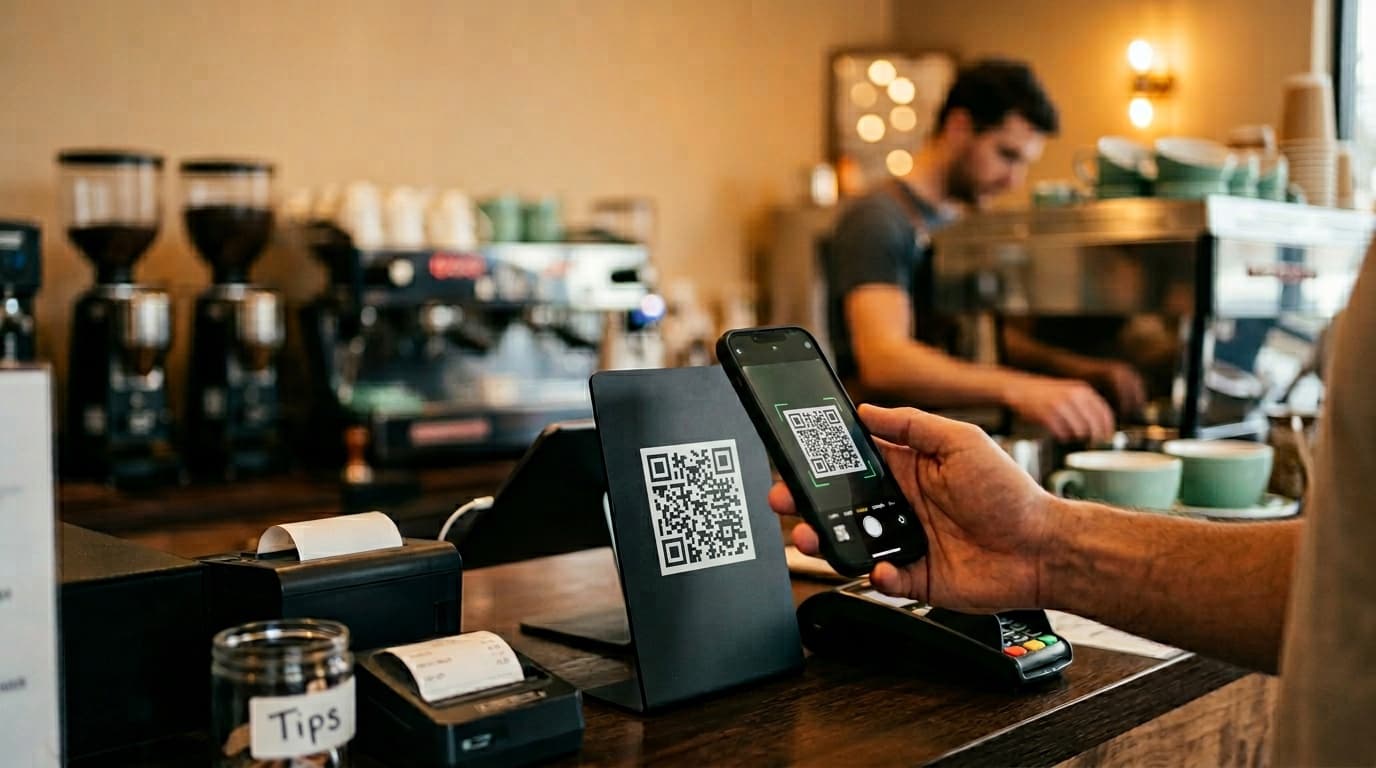
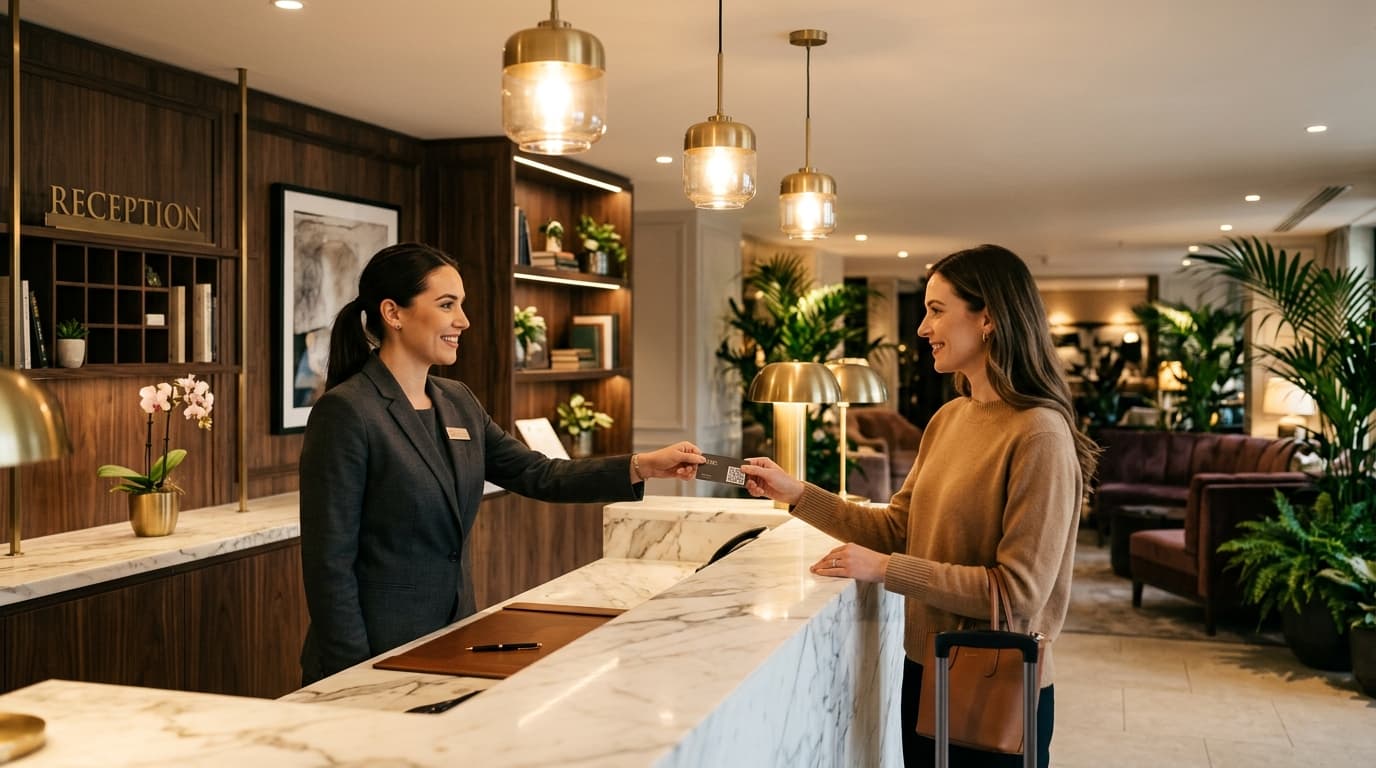
A small, elegantly designed card accompanying the final check — carrying a brief personal note from the chef and a discreet QR code linking directly to your Google review form — transforms the ask into part of the experience. The tone of the card should reflect your house. If your menus are printed on heavy stock with copper foil, the card should match. A polished request reads as attention to detail, not desperation.
Gamification, done tastefully
Platforms like Ludofy allow you to attach a meaningful reward to the review request without undermining your positioning. For fine dining, that means configuring prizes that match your brand: a glass of Champagne on the next visit, access to a private chef's table evening, a signed menu from the kitchen. The digital fortune wheel removes the awkwardness of the ask — instead of "would you leave us a review?", you offer guests a moment of surprise and delight. The review happens naturally, as part of the mechanic. Setup takes under thirty minutes.
Responding to Reviews: Your Digital Front of House
The way you respond to reviews — positive and negative — is visible to every future guest browsing your profile. Think of it as your digital front of house. The same unhurried grace you bring to the dining room should come through in your written responses.
For positive reviews
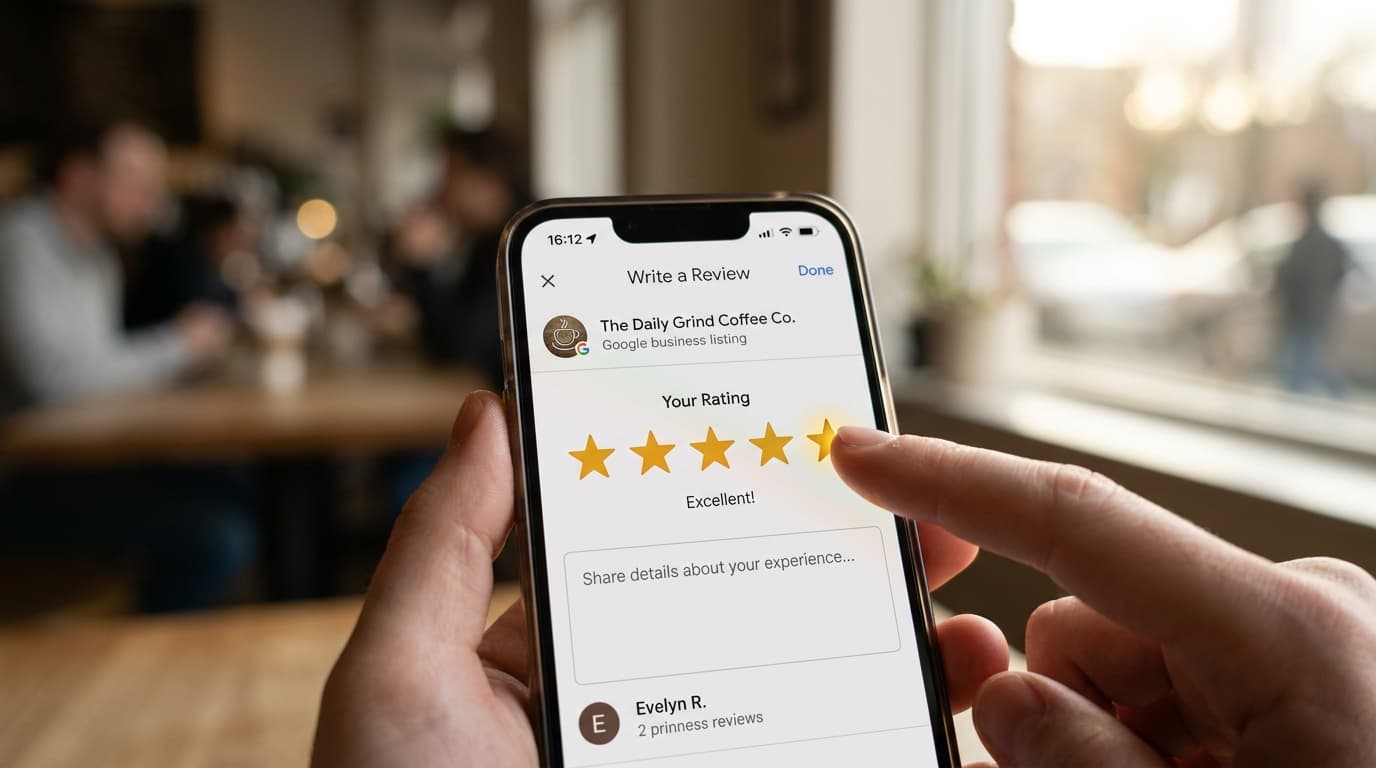
Personalize every response. If a guest mentions your tasting menu's third course, acknowledge it specifically. If they describe how your team handled a surprise for their partner, thank them for that exact detail. A personal, specific response signals that you actually read the feedback — and that the same attention to detail defining your kitchen extends to how you engage online.
Avoid generic templates. "Thank you for your kind words!" after a 400-word heartfelt review is a missed opportunity.
For negative reviews
Stay measured. In the fine dining context, a defensive or dismissive response is particularly damaging — guests and prospects expect emotional intelligence that reflects the caliber of your experience. The formula that works:
- Thank the guest sincerely for sharing their experience, even a difficult one
- Acknowledge what didn't meet their expectations without excessive apology or justification
- Invite a direct conversation — a named email, a direct line to the reservations manager
- Avoid public offers of discounts or "come back and we'll make it right" — this reads as buying forgiveness and cheapens both the response and your positioning
One practical note: if a review appears coordinated or clearly violates Google's content policies (no text, obvious competitor sabotage, posted from a first-ever account with no history), flag it for removal through Google's review management tools. This is worth doing and often succeeds.
Google Business Profile Optimization for Fine Dining
Your Google Business Profile is the digital equivalent of your façade — the first impression before the first step through the door. For a gastronomic restaurant, keeping it current and editorial matters.
Photo strategy
Upload seasonal photography: your winter truffle menu, your summer terrace at dusk, the new plating for your autumn tasting courses. Google favors profiles that are actively updated, and for discerning guests, the quality and freshness of your photos is a trust signal before they even read the first review.
Business attributes
Ensure you've selected every applicable attribute: fine dining, prix fixe menu, reservations required, dress code, full bar, private dining room, wine list. These attributes filter your profile for the right clientele and away from guests who might arrive with mismatched expectations — and leave disappointed reviews as a result.
Google Posts and updates
Use Google Business Profile posts to announce new menus, seasonal events, and chef collaborations. Posts appear directly in your profile and can drive reservations from guests actively researching your space. A post about your incoming autumn menu signals that your kitchen is in motion — and gives returning guests a reason to book again.
Building Consistent Review Volume in a Low-Cover Environment
A fine dining restaurant seating 40 to 80 covers per evening has a structurally different challenge than a high-volume bistro. You're working with a smaller pool of potential reviewers. Every table counts.
Identify your advocates. Guests who return regularly, follow you on social media, or tag your dishes in their posts are your most likely reviewers. A personal, direct outreach — a handwritten note from the chef, a message from your reservations manager — converts at a far higher rate than a generic post-visit email.
Post-visit email follow-up. Sent 24 to 48 hours after the visit, a short, personalized email with a direct review link captures the memory while it's still vivid. Keep it tight: two sentences of genuine appreciation, one link. Not a newsletter. Not a survey with fifteen fields.
Connect reviews to your loyalty offer. If you operate a private member list, a preferred reservations program, or a chef's table access system, make the connection clear. Guests who share their experience publicly are guests who are invested in your continued excellence — treat them accordingly, and let them know it.
Closing: Digital Reputation as an Extension of Your Identity
In fine dining, your reputation is your menu. Every detail of how you present yourself online — the consistency of your rating, the quality of the reviews you attract, the tone of your responses — communicates what kind of house you are before guests ever sit down.
Tools like Ludofy let fine dining operators automate review collection without compromising their brand identity. The gamification mechanic can be fully configured to reflect your positioning: bespoke prizes, branded visuals, measured timing. The impact compounds quietly over months, building the kind of review profile that does your marketing before a single booking call.
Great restaurants invest years in building a reputation. In 2026, part of that reputation lives on Google. Make sure what guests find there reflects what they'll experience when they arrive.