Greek cuisine has been winning fans for decades — from casual souvlaki joints and mezze tavernas to upscale restaurants plating modern takes on spanakopita and lamb kleftiko. The food sells itself, but in a competitive local restaurant market, the food alone isn't enough. Visibility is.
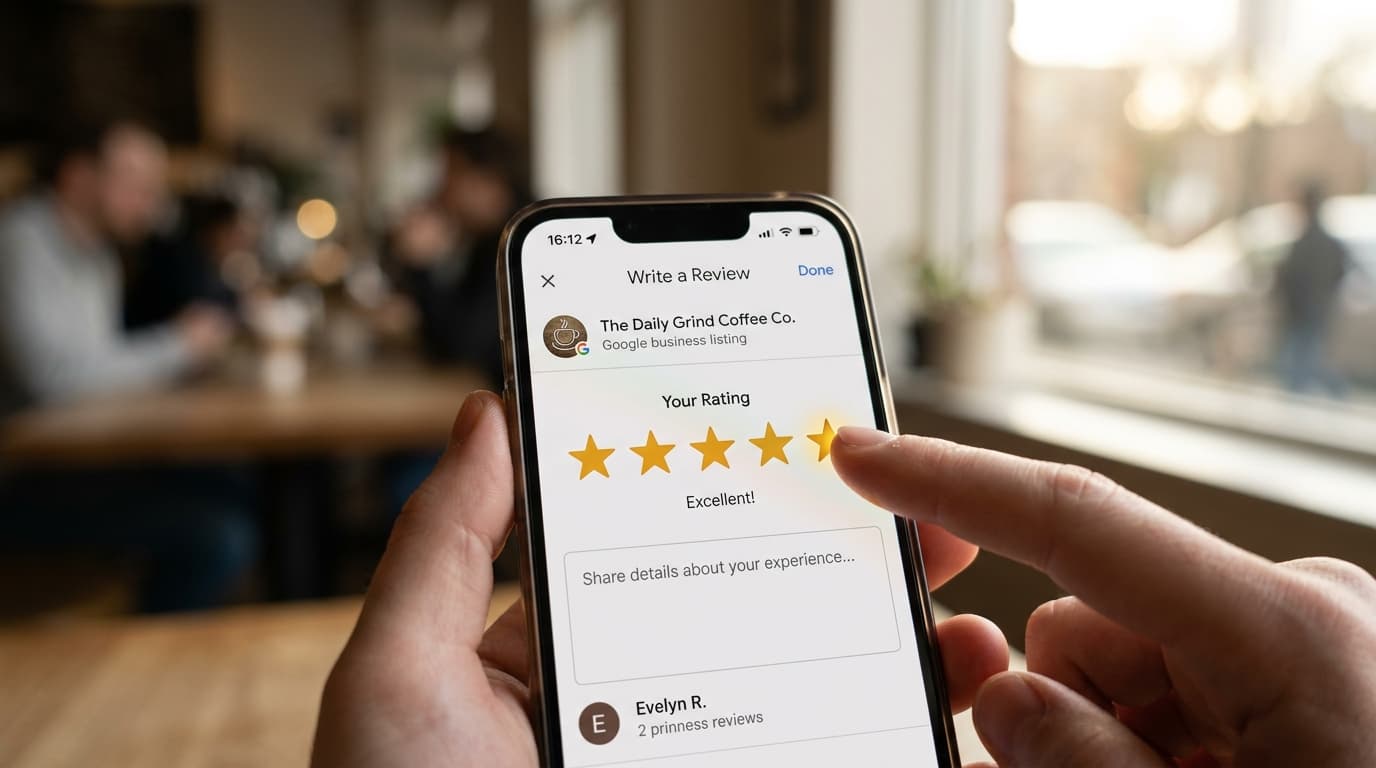
When someone searches "Greek restaurant near me," the first three to five results they see aren't necessarily the best restaurants in the area. They're the ones with the most recent, consistent, and numerous Google reviews. If your Greek restaurant isn't actively collecting reviews, you're handing that top-of-search real estate to competitors who may not even cook as well as you do.
This guide covers the practical strategies that work — for restaurants already doing strong business and for those still building their customer base.
Why Google Reviews Matter More for Greek Restaurants Than Most
Greek food is inherently social. The mezze format — sharing plates placed at the center of the table — creates a communal dining experience that people remember and talk about. A great night at a Greek restaurant is the kind of thing guests post about, recommend to friends, and search out when a craving strikes weeks later.
This social dynamic is valuable because satisfied groups are more likely to leave reviews than solo diners. If one person at a table of five enjoyed the evening, there's a good chance at least two of them would leave a review if asked at the right moment.
The food is also visually compelling. A spread of hummus, dolmades, grilled octopus, and spanakopita looks like a celebration — it's inherently shareable on social media, and that same impulse to photograph the table is closely connected to the impulse to write a review.
The Right Time to Ask for a Review
Timing is everything. Ask too early and the experience hasn't fully landed. Ask too late and the moment has passed.
The ideal window for a Greek restaurant is at the end of the meal — after dessert or the final round of drinks, when the table is relaxed and the food still warm in the memory. A server who says naturally, "We're so glad you enjoyed it — a Google review would mean a lot to us" while presenting the check will consistently outperform any automated follow-up email sent two days later.
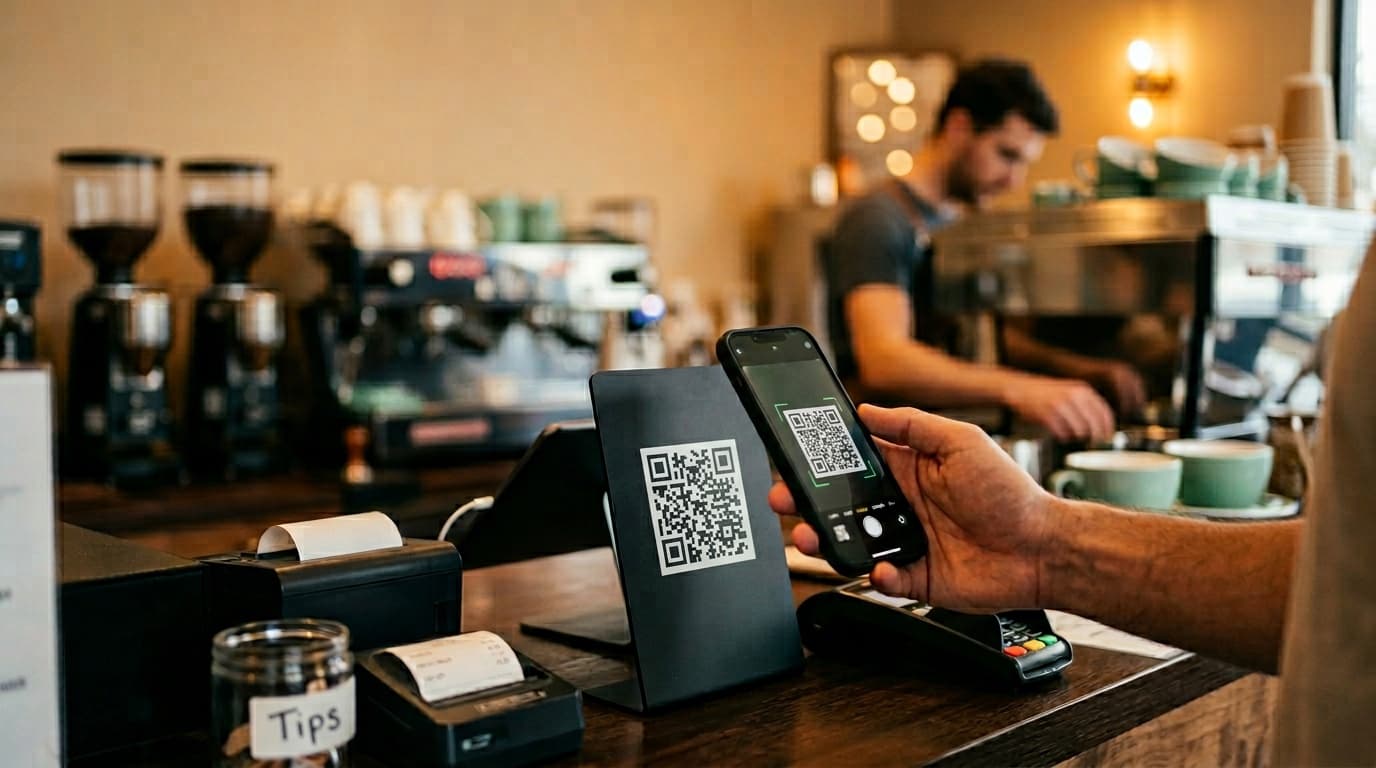
The key is to pair the verbal ask with a physical QR code. On the bill presenter, a small card on the table, or a sign near the exit — a direct scan takes the guest straight to your Google review form with no searching, no friction. They already have their phone in hand to pay or photograph the dessert.
For takeout orders — gyros, lamb wraps, mezze trays — the same logic applies. A QR code on the bag or the receipt reaches the customer when they're unwrapping their food at home, in exactly the right frame of mind to share their experience.
Training Your Team to Ask Without Awkwardness
One well-trained server generates ten times more reviews than any automated tool. The goal is to make the ask feel natural rather than scripted.
Make the business case clear. When your team understands that Google reviews directly affect foot traffic — and by extension, tip volume and job security — asking for reviews stops feeling uncomfortable and starts feeling like part of the job.
Build it into the service flow. The review ask should be as natural as "How was everything?" or "Can I get you anything else?" When it's part of the closing ritual at every table, it becomes a habit rather than an interruption.
Track the numbers together. Post the weekly review count somewhere the team can see it. A light competitive spirit between servers can double collection rates without any additional tooling.
QR Code Placement Strategy for a Greek Restaurant
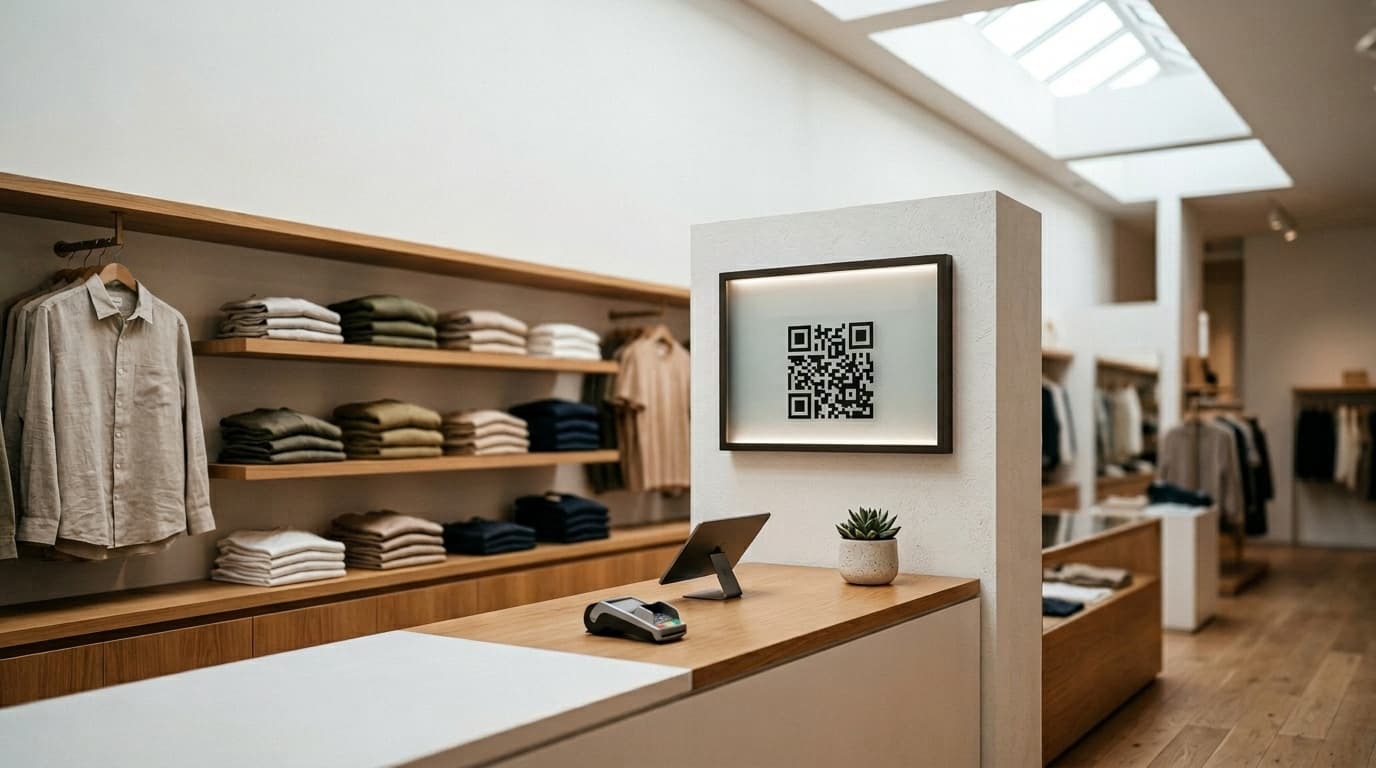
Placement determines whether a QR code gets used or ignored. In a Greek restaurant setting, these locations consistently perform best.
On the bill presenter: This is when the phone is already out to pay. A QR code with a simple message like "Enjoyed your meal? Share it on Google" captures that moment of natural action.
On the table throughout the meal: A small tent card or A-frame stand that stays on the table during the entire service catches guests at peak enjoyment — during the meal, not just at the end. Guests who notice it mid-meal are primed to act before they leave.
At the bar or waiting area: If your restaurant has a bar where guests wait for a table, that downtime on phones is an opportunity. A subtle QR code on the bar counter turns idle scrolling into something productive.
On packaging: Bag, receipt, or takeout container — print or attach a QR code in a visible spot. The customer unpacking their order at home is relaxed, satisfied, and completely open to sharing the experience.
Gamification: Making the Review Ask Feel Like a Reward
The Greek restaurants collecting the most reviews have moved beyond simply asking. They've made the review process part of the dining experience — and added an element of fun.
The mechanic is straightforward: a QR code on the table or receipt invites the guest to spin a digital fortune wheel for a chance to win something — a free baklava on the next visit, a complimentary appetizer, a discount on the next order. To spin the wheel, the guest completes a simple action: leaving a Google review, following on social media, or joining an email list.
This works because it reframes the ask. Instead of "do us a favor," it becomes "play for a prize." The anticipation of a small reward — even a modest one — drives action significantly more effectively than a straight request. And the reward creates a reason to return, giving you a second shot at impressing the guest and collecting another review.
Tools like Ludofy make it easy to set this up without a developer. You configure the wheel with your branding, choose the prizes, generate the QR codes, and track everything through a real-time dashboard showing how many reviews have been triggered and which prizes were awarded.
Responding to Reviews: The Habit That Separates Top-Rated Restaurants
Collecting reviews is step one. Responding to them — positive and negative alike — signals to Google and to prospective guests that this is an actively managed, customer-focused operation.
For positive reviews, avoid copy-pasting the same response. Mention something specific from the comment — the dish they loved, the occasion they mentioned — invite them to try a seasonal special next time, and sign with a first name. Personalization takes 30 seconds and makes a lasting impression.
For negative reviews, respond within 24 to 48 hours. Acknowledge what happened without being defensive, and offer to resolve it offline. A measured, professional response to a critical review often impresses future customers more than the review itself concerns them.
Building a Steady Review Flow, Not a One-Time Campaign
The most common mistake: treating Google reviews as a project with a start and end date. One intensive push, then silence. Google's ranking algorithm rewards recency and consistency. Thirty reviews collected this month are worth more than two hundred reviews from three years ago.
Sustaining that flow requires a system that runs whether you're there or not. Well-placed QR codes, a trained and motivated team, and a gamification tool that triggers the ask at the moment of peak satisfaction — these three components together create a review engine that operates quietly in the background of every service.
A Greek restaurant with 60 current, recent reviews will outrank a competitor with 250 old ones almost every time.
Where to Start This Week
Choose two placements for a QR code, brief your team on the end-of-meal ask, and write down your current review count. Check back in three weeks. The growth will be measurable.
Then layer in gamification. A fortune wheel that rewards guests for leaving a review changes the dynamic entirely — it's no longer a request, it's an experience. Guests leave with a small win, and you leave with a new review.
Ludofy is built for restaurant operators who want a system that's simple to run and straightforward to measure: branded QR codes, a customizable fortune wheel, and a clean dashboard to track results. For a Greek restaurant that wants to dominate local search and fill tables consistently, it's the most efficient path from where you are to where you want to be.