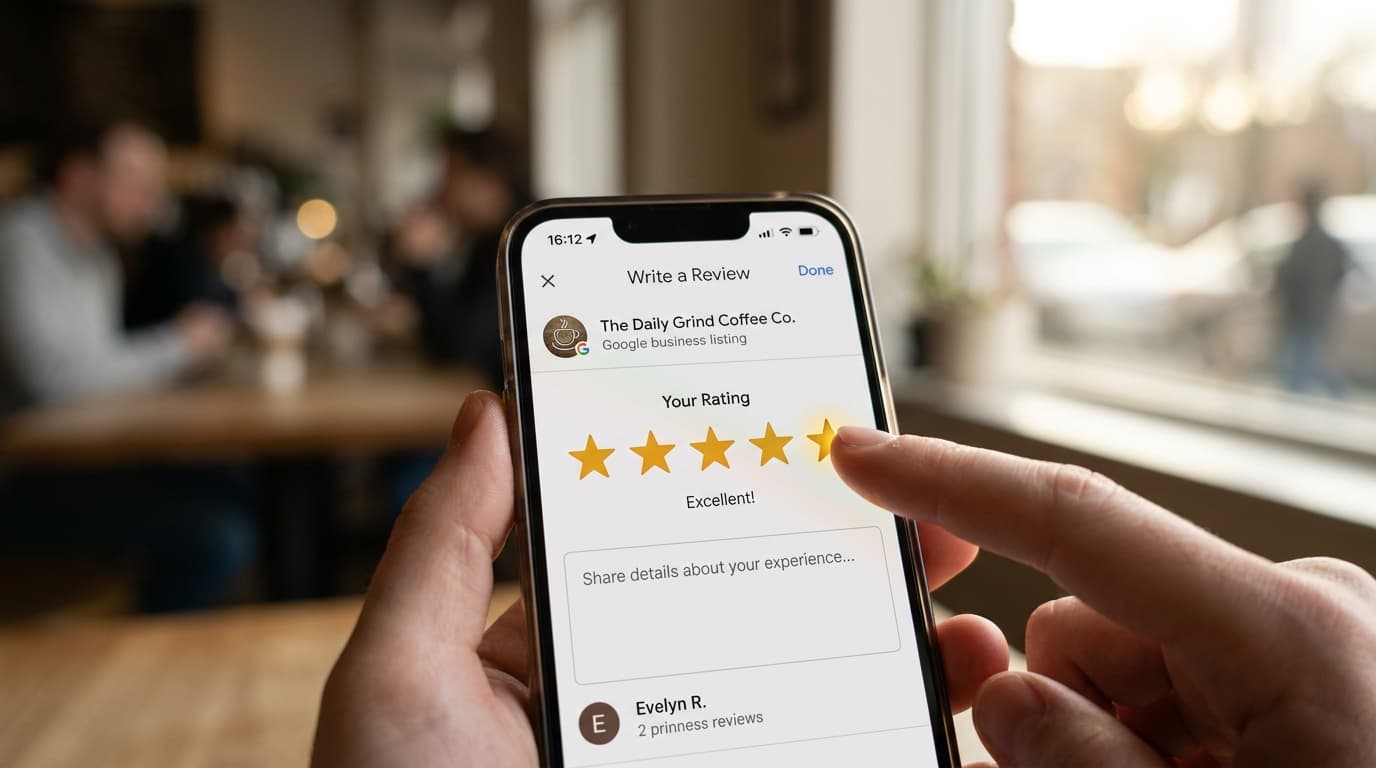
Hot pot dining is unlike almost any other restaurant experience. Guests sit around a communal broth, cook their own ingredients at the table, and spend ninety minutes to two hours in animated conversation. It is inherently social, inherently memorable, and generates exactly the kind of satisfaction that leads to genuine reviews — yet walk through the Google profiles of hot pot restaurants in any city and you will find them chronically underrepresented online.
A thriving hot pot restaurant with two hundred covers a night might have one hundred and twenty Google reviews. A quieter bistro two streets over has four hundred. The gap is not about quality. It is about capture.
Why Hot Pot Restaurants Struggle to Collect Reviews
The hot pot dining format creates specific obstacles to review collection that most operators never think through.
Staff are in reactive mode throughout the entire service. Running a hot pot restaurant means managing broth replenishment, bringing raw ingredients in waves, adjusting induction burner settings, swapping depleted grill grates, and clearing bones and shells from shared plates. Unlike a café or counter-service venue where a low-friction moment at the register presents itself naturally, hot pot staff rarely have a window to make a review ask without it feeling like an interruption.
The exit is chaotic. Hot pot meals end with the table covered in empty plates, sauce remnants, and cooking debris. Groups are dividing the bill, gathering jackets, and organizing their exit simultaneously. The moment of departure passes quickly. Unless a review prompt is embedded in the physical environment long before checkout, it simply does not happen.
Group dynamics work against spontaneous reviews. No individual in a group of six wants to be the first person to break the conversation by pulling out their phone to write a restaurant review. Without a visible cue in the environment, the impulse never triggers — even from customers who genuinely enjoyed the meal.
The Table Stand QR Code Strategy
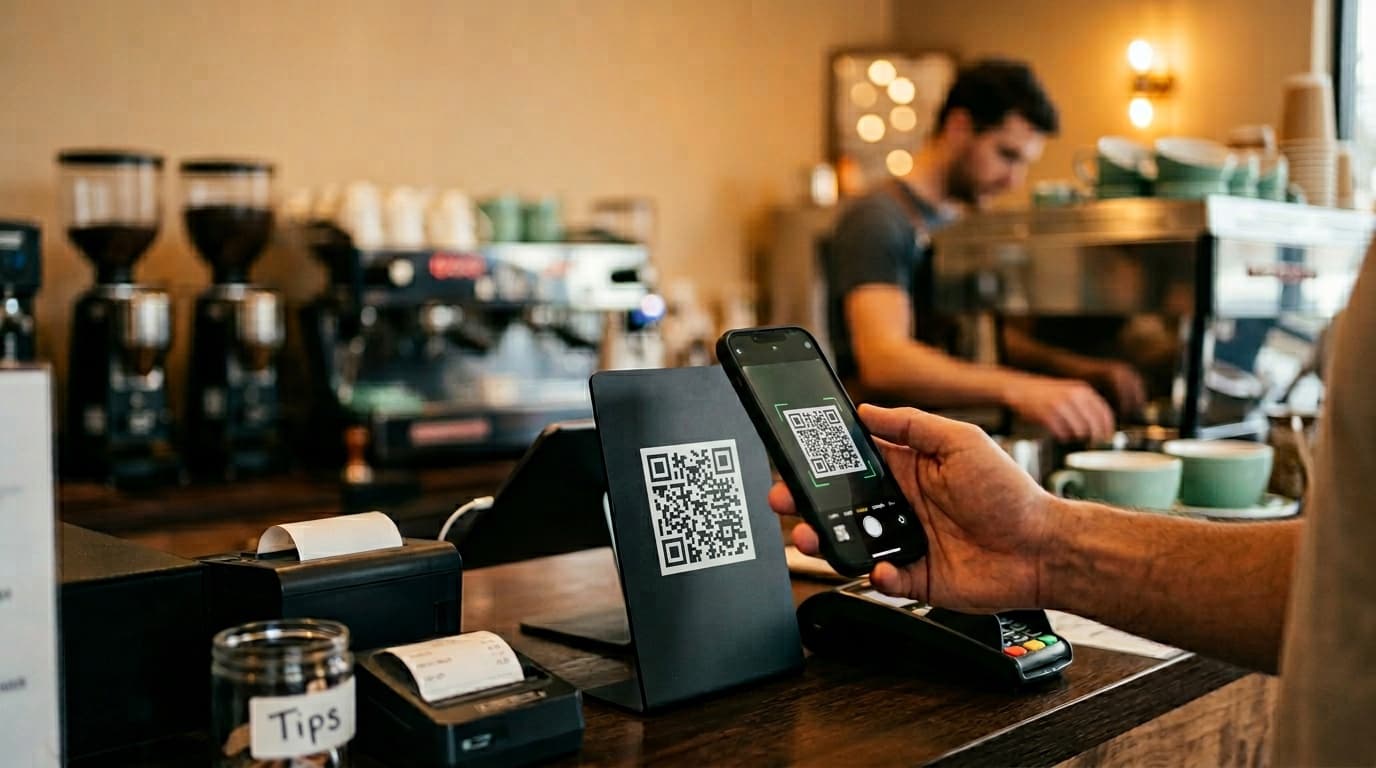
The most effective approach for hot pot restaurants is passive, ambient, and requires zero staff involvement: a QR code displayed prominently on every table, mounted on a small stand at eye level during the meal.
Placement is everything. The QR code needs to be visible from the seated position throughout the entire meal, not hidden behind a condiment tray or tucked under the edge of a dipping sauce bottle. A dedicated tent card or table stand at eye level ensures the prompt is noticed organically — often during the conversational lull after the main eating is done, before the check arrives.
A simple message is enough: "Enjoyed tonight? Spin our prize wheel before you go." This primes the customer early. By the time the bill lands on the table, the QR code is not a new ask — it is a reminder of something they already noticed and thought about.
How Group Dining Becomes Your Biggest Lever
Hot pot restaurants actually carry an advantage that most operators have never fully used: the group multiplier effect.
When one person at a table of five scans the QR code, spins the prize wheel, and announces they have just won a free round of drinks on their next visit, curiosity takes over immediately. Others at the table pull out their phones and scan too. A gamified review experience — spinning a wheel, watching a prize pop up — is shareable right there at the table. Instead of one review per booking, a well-deployed system realistically generates two, three, or even four reviews from a single visit.
Prizes that work particularly well in the hot pot context:
- A free premium broth base (mala, tom yum, dashi) on the next visit
- A free dipping sauce set redeemable at the next meal
- A discount on a private dining room reservation
- A free dessert — mochi ice cream, egg tarts, or a seasonal fruit plate — at the next visit
- A free round of soft drinks for the table at the next booking
These prizes are designed with dual purpose: they reward the review and they create a concrete reason to return. Groups come back to hot pot restaurants for occasions — birthdays, company dinners, reunions. A prize redeemable on the next visit is a commercial hook that makes your restaurant the default choice rather than a place to try once.
What a Strong Hot Pot Google Profile Should Look Like
Volume matters, but so does the substance of the reviews. A hot pot restaurant benefits from reviews that describe the experience with specificity: the richness of the broth, the freshness of the seafood, how attentively the team managed broth replenishment during a busy service, the variety of the ingredient sets. These details help prospective customers at the research stage understand exactly what they are booking.
If your restaurant has a signature broth or a premium ingredient selection, encourage customers to mention it — indirectly, by keeping that language visible on the QR code stand ("Our signature mala broth is waiting for your review"). A Google profile that repeatedly references "the house mala broth" or "the fresh-cut wagyu option" functions as ongoing ambient marketing that costs nothing.
Respond to every review. For hot pot specifically, the detail matters: if someone praises the speed of broth refills during a packed Saturday, acknowledge that specifically in your reply. If someone notes that the vegetable selection felt limited, address it directly. This signals to future customers that you read reviews seriously, and it signals to Google that your profile is actively managed — which has measurable effects on local ranking.
Encouraging Photo Reviews Without Asking
Hot pot is one of the most visually compelling dining formats available. A bubbling communal pot surrounded by raw ingredients, the steam from a spiced broth, the arrangement of premium meat cuts and fresh seafood on a platter — these photograph exceptionally well. When customers leave photo reviews, they provide future customers with the kind of social proof that converts curiosity into a reservation.
A subtle nudge on the table stand — "Share a photo of your spread and spin the wheel" — adds minimal friction and drives significantly more visual content to your Google profile. A profile with dozens of food photographs taken from inside the restaurant transforms it from a text listing into an experience preview that answers the question "what does it actually look like" before anyone calls to book.
Building Review Velocity That Compounds
The consistency trap catches most hot pot operators. A review push that generates sixty reviews over a month and then stops produces a profile that looks stagnant by the following quarter. Google's local algorithm weights recency heavily: a restaurant with fifteen new reviews this month typically outperforms one with three hundred reviews from two years ago in local pack visibility.
The table stand QR code system is designed to be permanent infrastructure, not a campaign. Once placed, it collects reviews continuously at every service with no ongoing staff action. Combined with the fortune wheel mechanic, it stays engaging over time — customers perceive it as an opportunity rather than a request, which removes the friction that causes most people to ignore review asks.
Set a monthly review target. For a busy hot pot restaurant turning one hundred covers a night, twenty new Google reviews per month is a realistic goal. Track quarterly. If the collection rate drops, refresh the prize wheel to re-spark engagement with returning customers who have seen it before.
From Communal Table to Local Landmark
Ludofy's QR code fortune wheel system is built for exactly the hot pot scenario: group tables, ambient placement, no app download required, prizes you define and update. Setup takes under an hour. The first reviews typically arrive within forty-eight hours of placing the table cards.
Hot pot is already a destination dining experience. Customers plan evenings around it, travel further for it, return for every occasion worth celebrating. What is missing from most hot pot restaurants is not quality or ambiance — it is a mechanism that consistently converts each memorable communal meal into a public signal of that quality.
That signal, accumulated across months, is what separates the restaurant with eighty reviews from the one that appears at the top of local search with eight hundred.
Build the system. The results compound.