The poke bowl has gone from Hawaiian beachside snack to global restaurant staple in less than a decade. What was once a niche concept — tuna, rice, seaweed, and sesame — has become one of the fastest-growing restaurant formats worldwide, with thousands of independent operators and boutique chains competing for the same urban lunch crowds.
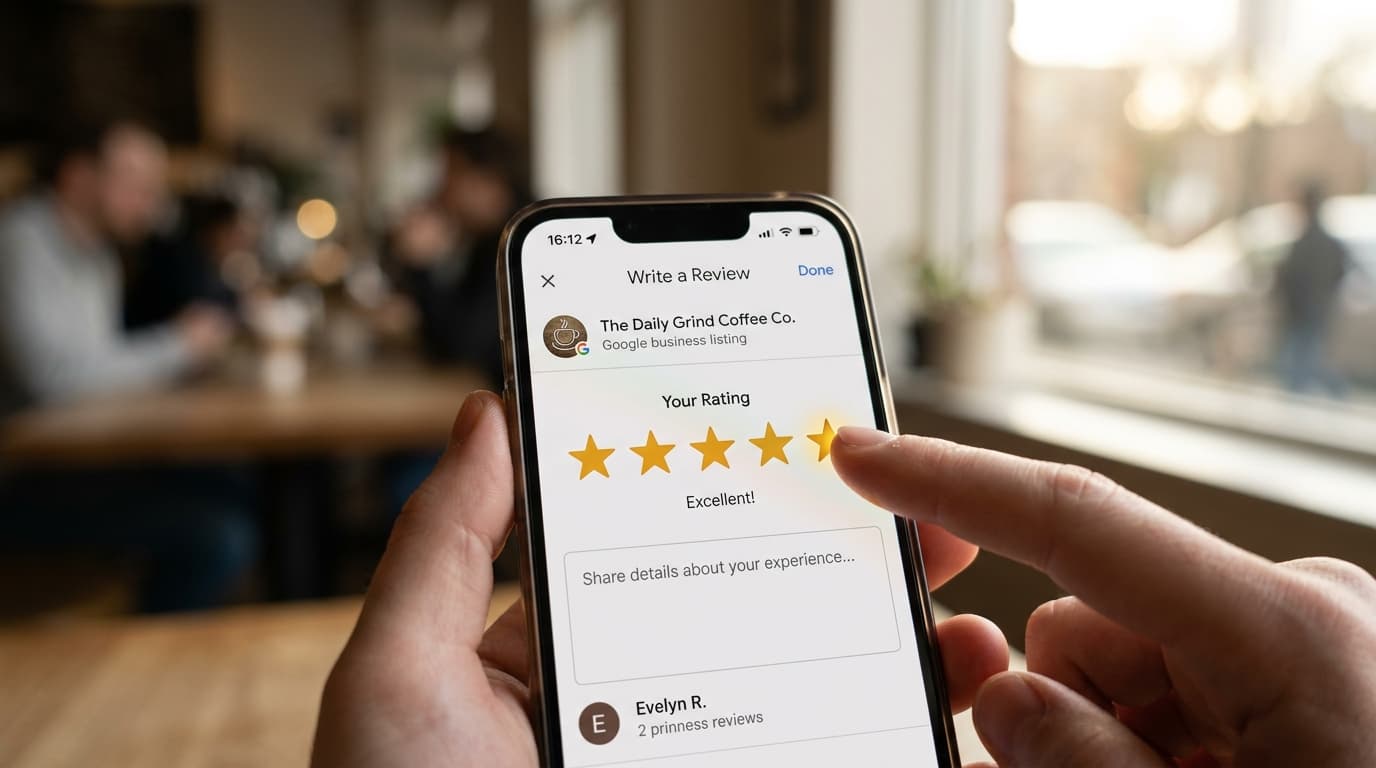
In this landscape, Google Reviews aren't a nice-to-have. They're the primary way new customers decide where to eat their next bowl. This guide is for poke bowl and healthy bowl restaurant owners who want to build a review strategy that actually works.
Why Google Reviews Matter More for Poke Bowls Than Most Restaurant Categories
The poke bowl market is intensely local and intensely competitive. In most mid-size and large cities, customers searching "poke bowl near me" will find five, ten, or even twenty options within walking distance. The differentiators are subtle: freshness, customization options, portion size, value for money.
Here's the uncomfortable truth: most customers can't tell the difference between poke bowl restaurants before visiting. They're making a first-time decision with almost no direct information. What they do have is Google Reviews.
A restaurant with 4.7 stars and 300+ reviews is going to win that decision the vast majority of the time — not because 300 reviews are better than 150 in some abstract sense, but because they communicate one specific thing: volume of satisfied customers. For poke, where ingredient quality and freshness are paramount but hard to verify in advance, that social proof is everything.
What Poke Bowl Customers Actually Write About
Before optimizing your review strategy, it's worth understanding what poke customers care enough to write about:
Bowl freshness and ingredient quality. Poke is a raw fish concept. The freshness of your tuna, salmon, and shrimp is the single most important quality signal. Reviews mentioning "incredibly fresh fish" or "the salmon melted in my mouth" are powerful conversion tools. Reviews mentioning "questionable fish" or "tasted frozen" are devastating — and they're read by every customer who searches your restaurant.
Customization and portion generosity. Poke's core appeal is customization. Customers who feel they got excellent value — lots of protein, varied toppings, a generous portion — say so in reviews. This drives lunchtime decision-making more than almost any other factor. Make sure your team uses consistent portioning tools so customers don't perceive inconsistency.
Speed of service. Poke tends to be positioned as a quick, healthy lunch. Customers expect to be in and out in under 10 minutes during peak hours. Reviews frequently mention wait times — both positively and negatively. Staff training and prep organization directly impact your star rating.
Ambience and cleanliness. More than traditional fast food, poke bowl restaurants attract health-conscious customers who care about the space they eat in. Instagrammable presentation, clean counters, and a fresh-feeling interior get mentioned in reviews and drive social sharing.
Understanding these review patterns helps you train staff on what experiences to create — because the best review strategy isn't about asking more aggressively, it's about consistently delivering the things worth writing about.
The Right Moments to Ask for a Review
In a poke bowl restaurant, the natural review moment is at the end of the meal — or at the ordering counter, since poke tends to be quick-service where customers collect their bowls immediately.
Three touchpoints work particularly well:
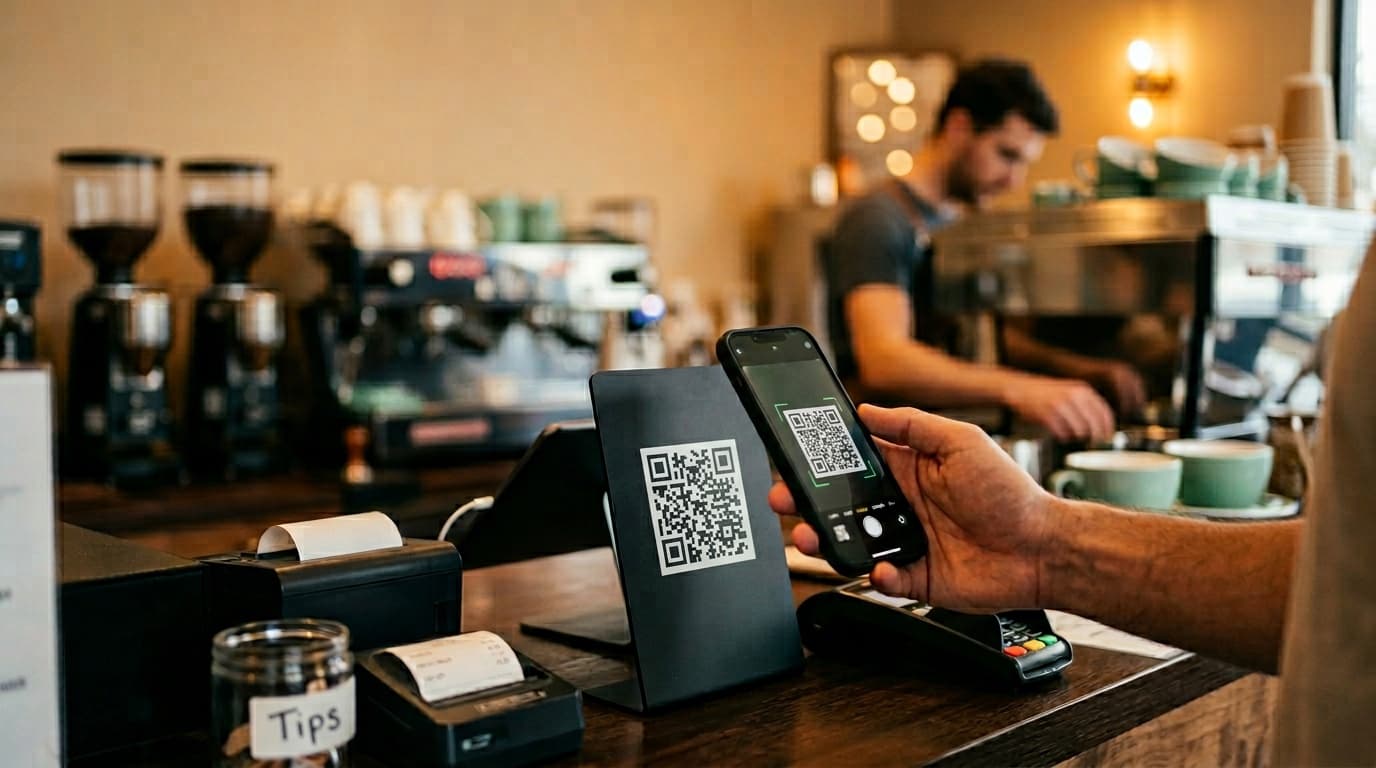
At checkout, after ordering. A QR code displayed at the register or on your counter gives customers who are already in a positive mindset (they just ordered their favorite bowl) a clear, low-friction review path. A brief verbal prompt from your team — "If you enjoy your bowl today, we'd love a Google review" — significantly increases follow-through.
At the table or pickup area. A small tent card or table topper near the eating area with a QR code linking directly to your Google review page is unobtrusive but effective. Customers who've finished their bowl and are satisfied have a natural window to leave a review before they leave.
Via receipt or packaging. If your restaurant uses printed receipts or branded takeaway bags, adding a QR code or short URL to your Google review page creates an additional touchpoint. Customers who eat on the go can revisit the link from their phone later.
Handling Negative Reviews About Freshness
For poke specifically, a negative review about ingredient freshness is a crisis-level reputation event. It needs to be addressed with speed, care, and specificity.
Never respond defensively. A reply like "our fish is always fresh, we don't know what happened" reads as dismissive and often prompts more scrutiny from future readers.
Instead, respond like this:
"Thank you for the feedback. The freshness of our fish is something we take extremely seriously — we source daily and have strict cold chain protocols throughout service. That said, we'd like to understand exactly what happened. Please reach out to us at [email] and we'll make it right."
This response accomplishes several things: it signals high quality standards to future readers, avoids publicly admitting a specific fault, and moves the conversation offline where it can be resolved properly.
Turning Regulars Into Your Most Powerful Reviewers
Poke bowl restaurants tend to develop strong lunch regulars — office workers, gym-goers, and health-conscious locals who return two to five times per week. These regulars are your most powerful review source, for a simple reason: they're invested in your success.
The challenge is that regulars often feel awkward receiving a formal review request. They've been coming for months and feel it would be strange to be asked officially.
The best approach with regulars is casual and personal. Train your team to say: "Hey, if you've never left us a Google review, we'd really appreciate it — it makes a huge difference for us." A personal ask from someone they see every week converts at a much higher rate than a generic QR code prompt.
A Gamification Strategy Built for Fast-Casual
Poke bowl restaurants operate in the fast-casual segment, which means customers move quickly through the experience. Traditional hospitality review strategies — like a hotel team making a thoughtful personal ask at checkout — don't translate to a 12-minute bowl experience.
This is where gamification changes the dynamic. A digital fortune wheel deployed via QR code at your checkout takes 15–20 seconds to complete and makes the review ask feel like an event, not a chore. Customers spin to win a topping upgrade, a free add-on, or a discount on their next visit — and in exchange, they've committed to sharing their experience on Google.
The fortune wheel model works especially well for poke bowl restaurants because:
- The customer base is young, tech-savvy, and receptive to mobile-first interactions
- The prize value (a topping upgrade or small discount) is modest in cost but high in perceived value
- The experience is memorable and reinforces brand affinity
- The entire interaction happens at the counter, without slowing down service
Tools like Ludofy make it easy to set up a QR-code-linked fortune wheel without any technical expertise. You print the QR code, place it at your counter, and your review count starts growing day one.
Building Your Review Foundation: A 90-Day Action Plan
If you're a new poke bowl restaurant or one that's just starting to focus on reviews, here's a structured approach:
Month 1 (Weeks 1–4): Optimize your Google Business Profile. Add high-quality photos of your signature bowls, your space, and your team. Make sure your hours, menu categories, and contact information are accurate and up to date. Place a QR code prominently at your ordering counter.
Month 2 (Weeks 5–8): Build your review-generation habit. Ask 3–5 satisfied customers per day to leave a Google review. Brief your whole team on how to make the ask naturally — it should feel like a conversation, not a script. Track your review count and star average weekly.
Month 3 (Weeks 9–12): Add a gamification layer. Set up a fortune wheel with QR code access at your counter. Offer a meaningful but affordable prize — a topping upgrade, a sauce, a drink. Monitor review volume and adjust the prize mix based on engagement.
By month three, a consistent effort should generate 20–40 new reviews per month. Maintained over a year, that's 240–480 reviews — enough to establish clear market authority in your local area and rank significantly higher in "poke bowl near me" searches.
Your Next Step
The poke bowl market rewards quality and consistency — and so does Google's local search algorithm. Restaurants that maintain a steady flow of genuine, detailed reviews rank higher, attract more walk-in traffic, and convert casual visitors into loyal regulars far more effectively than competitors who treat reviews as an afterthought.
Start with the fundamentals: make every bowl worth reviewing, then make it as easy as possible to actually leave a review. With a QR code at your counter and a gamification system like Ludofy running in the background, your review growth becomes automatic — freeing you to focus on what matters most: the freshness of your fish and the satisfaction of your customers.