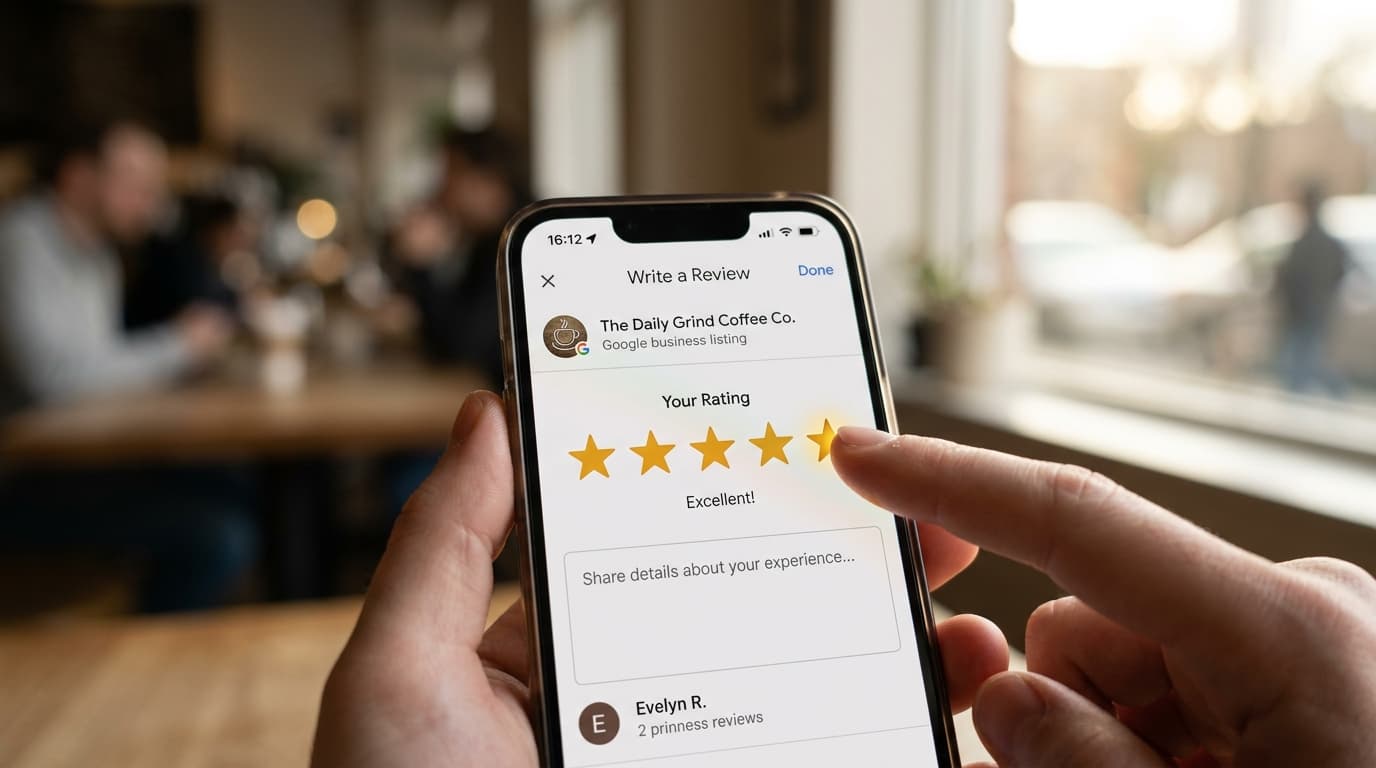
Karting venues sit in an interesting position in the local business landscape. Satisfaction levels are consistently high — guests leave pumped, laughing, and already debating who will win the rematch. Yet most karting operators look at their Google profile and see a sparse collection of reviews that doesn't remotely reflect the hundreds of sessions they run every month.
The problem isn't what happens on the track. It's what happens in the ten minutes after the helmets come off.
This guide walks through exactly how to close that gap — where to ask, when to ask, and how to make the ask feel like part of the experience rather than an afterthought.
Why Karting Venues Struggle with Google Reviews
Unlike a restaurant where the experience stretches across an hour, a karting session compresses its emotional peak into a few intense minutes. Guests are flooded with adrenaline, comparing lap times, teasing each other about the corner they botched. When they walk out, their phones are already out — but for photos, not Google reviews.
By the time they've changed out of their race suits, grabbed a drink, and driven home, the window has closed. Not because they're dissatisfied — because the moment has passed.
There's also a structural challenge: karting is often a group activity. Booking comes through a single organizer, but five to fifteen people experience the session. If you only think about collecting reviews from the person who paid, you're leaving nine-tenths of your potential reviewers untouched.
The Revenue Case for More Reviews
Before diving into tactics, it's worth grounding the strategy in numbers.
Research consistently shows that 85% of people check online reviews before booking a leisure activity. For "go-karting near me" searches — which generate significant local volume in any city with an active karting scene — the venues appearing in the top three Google Maps results capture the overwhelming majority of clicks.
The difference between first and fourth position on Maps often comes down to review count and recency, not the actual quality of the track. A venue with 300 reviews at 4.7 stars will outrank a competitor with a better track but only 40 reviews. Every review you don't collect is a vote for your competitor.
Corporate bookings make this even more acute. When an office manager is organizing a team event and comparing karting venues, they are almost certainly reading reviews. A strong review profile with mentions of team building, corporate events, and group bookings acts as a conversion signal that reduces friction in the booking decision.
5 High-Value Moments to Ask for a Review
1. At the Results Display
Posting lap times is already a feature at most tracks. Add a QR code directly next to the timing screen or results printout. This is the moment of maximum engagement — guests are reading their times, arguing about who really won, reaching for their phones. The QR code captures that energy without interrupting anything.
Keep the call to action simple: "Loved your session? Leave us a quick review." No lengthy explanation needed.
2. At the Equipment Return Counter
The moment guests hand back helmets and race suits is when the session officially ends. A small card or countertop display with your QR code and a line like "Tell us about your race" catches people when their experience is still fresh and the emotional peak hasn't fully faded.
3. At the Point of Sale
Whether you have a bar, snack counter, or merchandise area, point-of-sale placement converts well because guests are already stopped, already engaged, and often waiting for a moment. A tent card or small framed insert next to the till works without requiring any staff interaction.
4. Group Coordinator Follow-Up
Corporate team buildings and birthday parties account for a disproportionate share of revenue at most karting venues — often 40% or more. After any group booking, send the organizer a brief follow-up message the same evening. Thank them, confirm the booking fulfilled expectations, and include a direct link to your Google review page.
One well-timed message to a group organizer can generate six to ten reviews simultaneously from people who all had a positive experience and need only a small nudge.
5. Printed QR on Session Receipts and Confirmation Emails
If you issue receipts or send post-session emails, add the review link as a standard footer element. "Enjoyed your session? Help other drivers find us." This costs nothing to implement and creates a passive collection channel that runs continuously.
Staff Training: The Human Element
Technology handles the heavy lifting, but a brief word from a staff member at the right moment can double the response rate.
Train your team to deliver one simple line at equipment return or checkout: "If you enjoyed your session, it would really help us if you left a quick Google review — there's a QR code on the counter." No pressure, no script, no extended pitch. Just a genuine, low-key mention.
Avoid incentivizing staff per review — it creates awkward pressure that guests can feel. Instead, make review count a team metric: celebrate milestones together, share interesting reviews in the team WhatsApp group, make it part of the venue culture rather than a sales target.
Gamification: A Prize Wheel Fits the Karting DNA
Here's where the strategy gets particularly effective for karting venues specifically. Your guests already came for competition and the thrill of winning. Extending that feeling to the review ask is a natural fit.
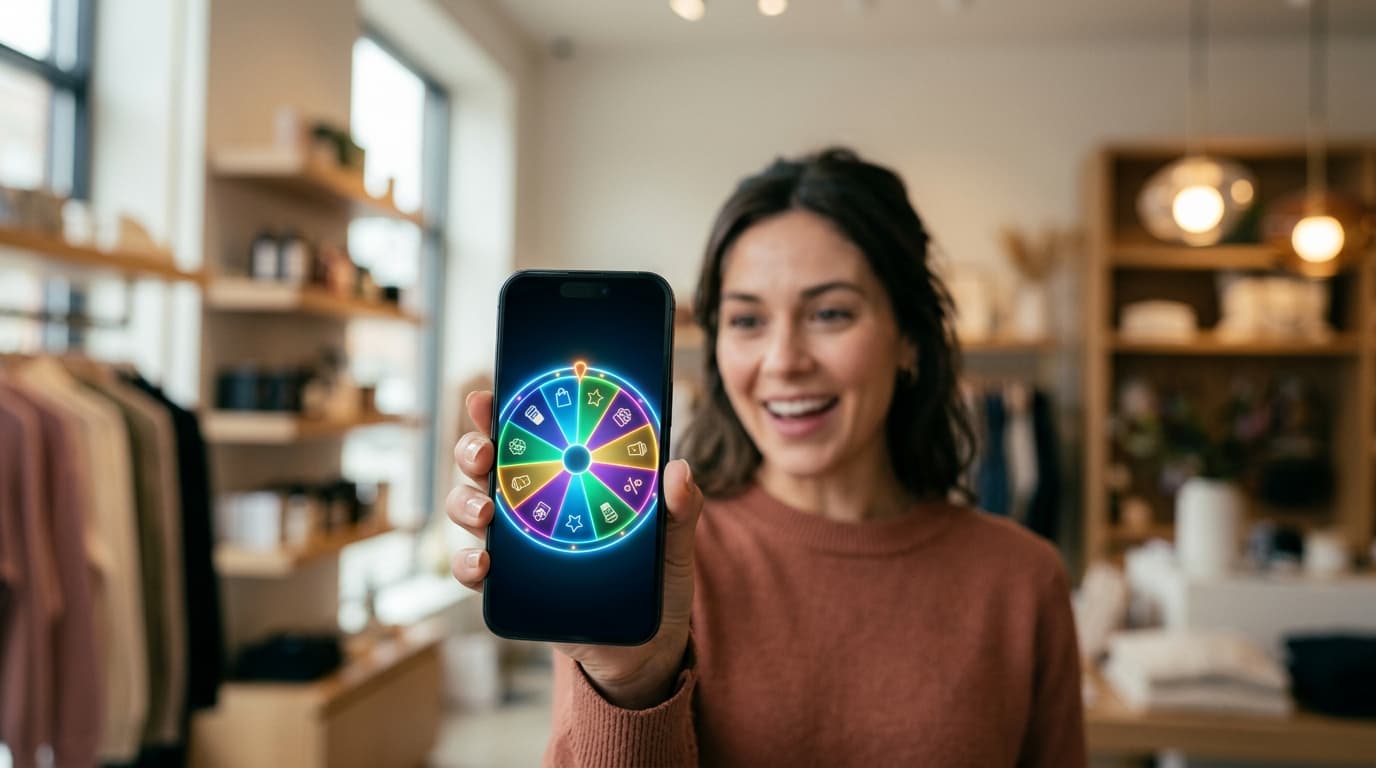
A prize wheel mechanic works like this: guests scan a QR code, leave their Google review, then spin a digital wheel to reveal their reward. Common prizes for karting venues include a discount on their next session, a free hot lap upgrade, or a complimentary drink. The reward doesn't need to be large — the game mechanic itself creates engagement.
Platforms like Ludofy let you set this up in minutes, with the wheel appearing directly on the guest's phone after they complete the review. Venues using this approach consistently report review conversion rates of 30–40%, compared to 3–5% from passive QR codes alone. For a venue running 50 sessions per week, that difference is hundreds of reviews per year.
What to Ask Guests to Mention
Not all reviews carry equal weight for local SEO. Reviews that include specific keywords — "go-karting birthday party," "corporate team building," "indoor karting [city name]," "best karting venue" — help Google understand what searches your venue should appear for.
You can nudge this organically without scripting guests' reviews. In your follow-up message or on the QR code card, add a prompt: "Tell us what brought you in today!" Guests who came for a birthday will mention the birthday. Groups will mention the team event. This natural variation of keywords builds local search authority over time.
Responding to Reviews: Non-Negotiable for Karting Venues
Review responses serve two audiences simultaneously: the person who left the review, and every future guest who reads your profile before booking.
For karting, responses with specific energy work well: "Congrats on the podium finish — hope to see you back for the championship round!" or "Sounds like the team event was a hit. We'll be ready for the rematch." These responses demonstrate engagement, show personality, and reinforce the experience.
For negative reviews — complaints about wait times, equipment issues, or staff — respond within 24 hours, acknowledge the concern specifically, and explain what you've done or will do. A well-handled negative review often impresses future customers more than a generic positive one.
Never leave a negative review unanswered. Silence reads as indifference.
Building Review Velocity: Consistency Over Spikes
Google's algorithm rewards venues that collect reviews consistently over time, not those that generate a burst and then go quiet. A venue that gets five reviews per week for a year outperforms one that gets two hundred in a month and then nothing.
Build your review collection into operational rhythms: QR codes placed permanently, follow-up messages sent after every group booking, staff mention part of every checkout interaction. The goal is a system that runs without requiring active effort from management every week.
Ludofy is built for exactly this: a set-it-and-run platform that maintains review velocity without demanding constant attention. You configure the wheel prizes, deploy the QR codes, and the system handles the conversion mechanics automatically — letting you focus on what happens on the track.
Your guest satisfaction is already there. The only thing standing between that satisfaction and your Google profile is the system to capture it. Put that system in place this week.